
Part Two: This Is Not the Childhood We Promised
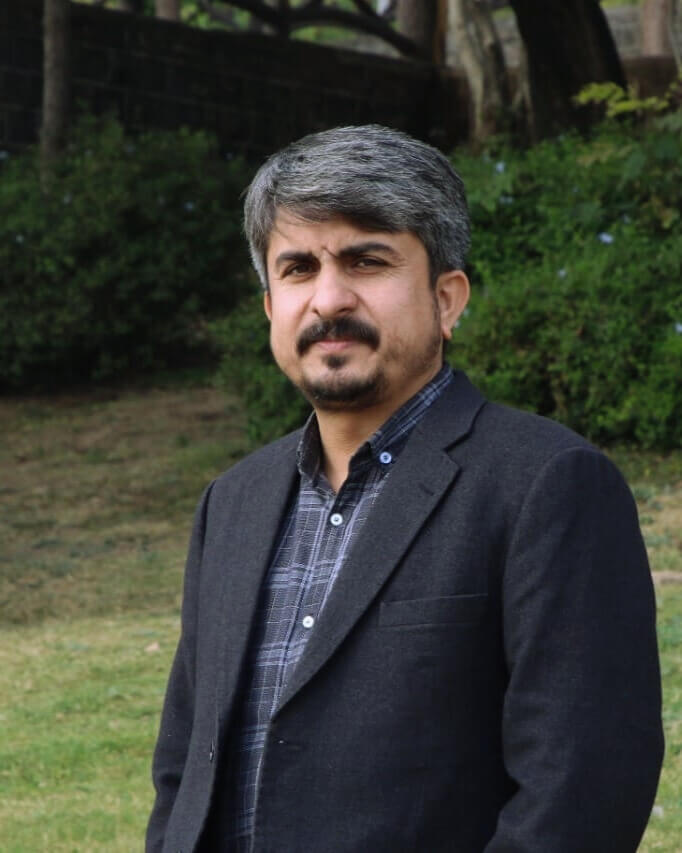
Noor Ur Rehman
JLI South Asia Regional Coordinator
“And do not let hatred of a people prevent you from being just. Be just; that is nearer to righteousness.” -Qur’an 5:8
Governance, Inequality, and the Climate-Migration Nexus
A 2021 review in MDPI shows that climate-induced migration in South Asia is driven by structural injustice: weak governance, lack of child protection systems, and chronic underinvestment in rural services.
- Most migration is internal, from rural to urban areas.
- Cross-border migration is rising e.g., from Bangladesh to India, or Afghanistan into Pakistan often without legal protections.
- Political instability, especially in Afghanistan and border regions of Pakistan, makes displaced children invisible to both aid and accountability.
Faith: The Trusted Anchor in Crisis
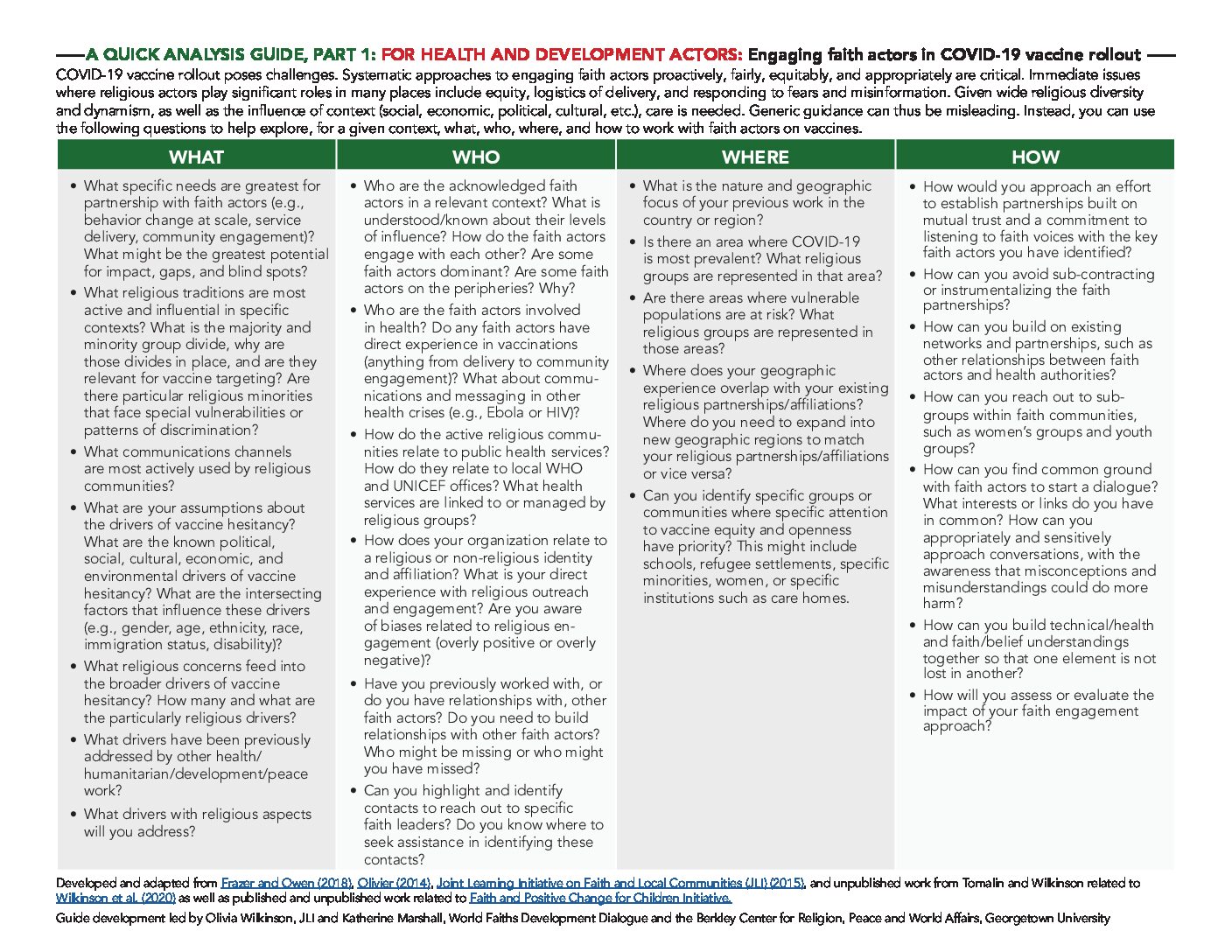
In the face of such systemic fragility, faith institutions remain among the most trusted and rooted community structures. Mosques, temples, churches, and gurdwaras are moral platforms, safe havens, and beacons of hope.
Islamic Relief’s Case Study: Pakistan
Islamic Relief’s study on climate-induced migration highlights:
- Balochistan, Sindh, and Khyber Pakhtunkhwa as displacement hotspots.
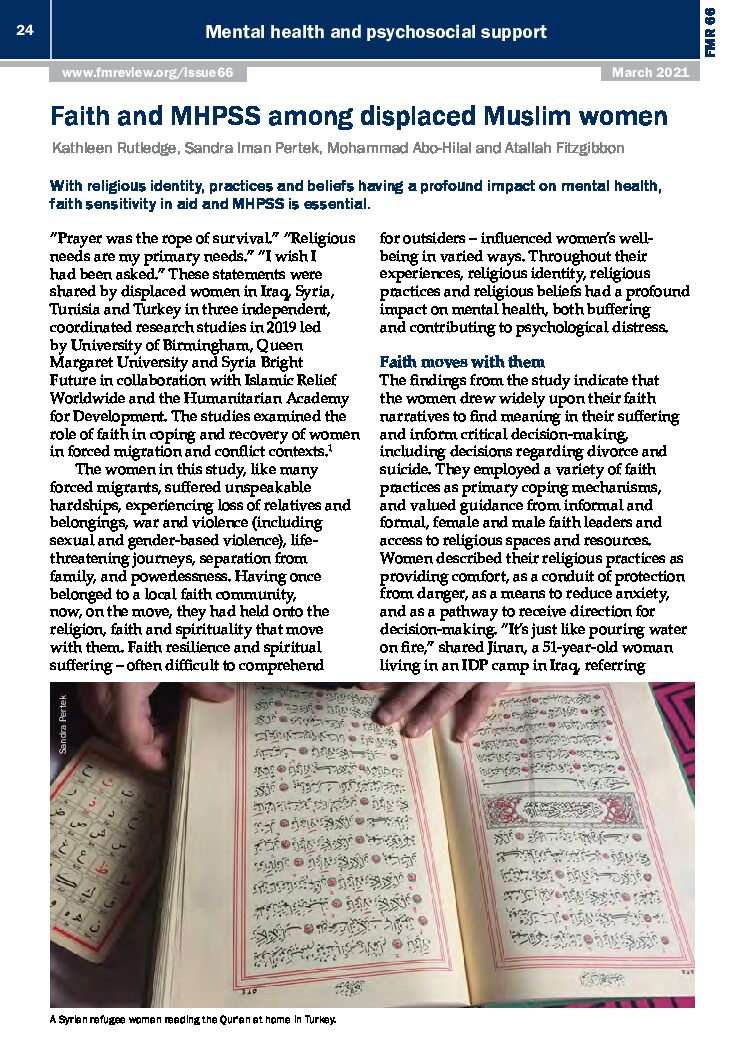
- A call to embed Islamic principles of rahma (compassion), adl (justice), and amana (trust) into all climate action strategies.
- Faith-led responses focused on education continuity, food security, and child protection.
Broader Faith-Based Engagement:
- Hinduism’s Dharma emphasizes the sacred duty to protect life , aligning deeply with climate stewardship.
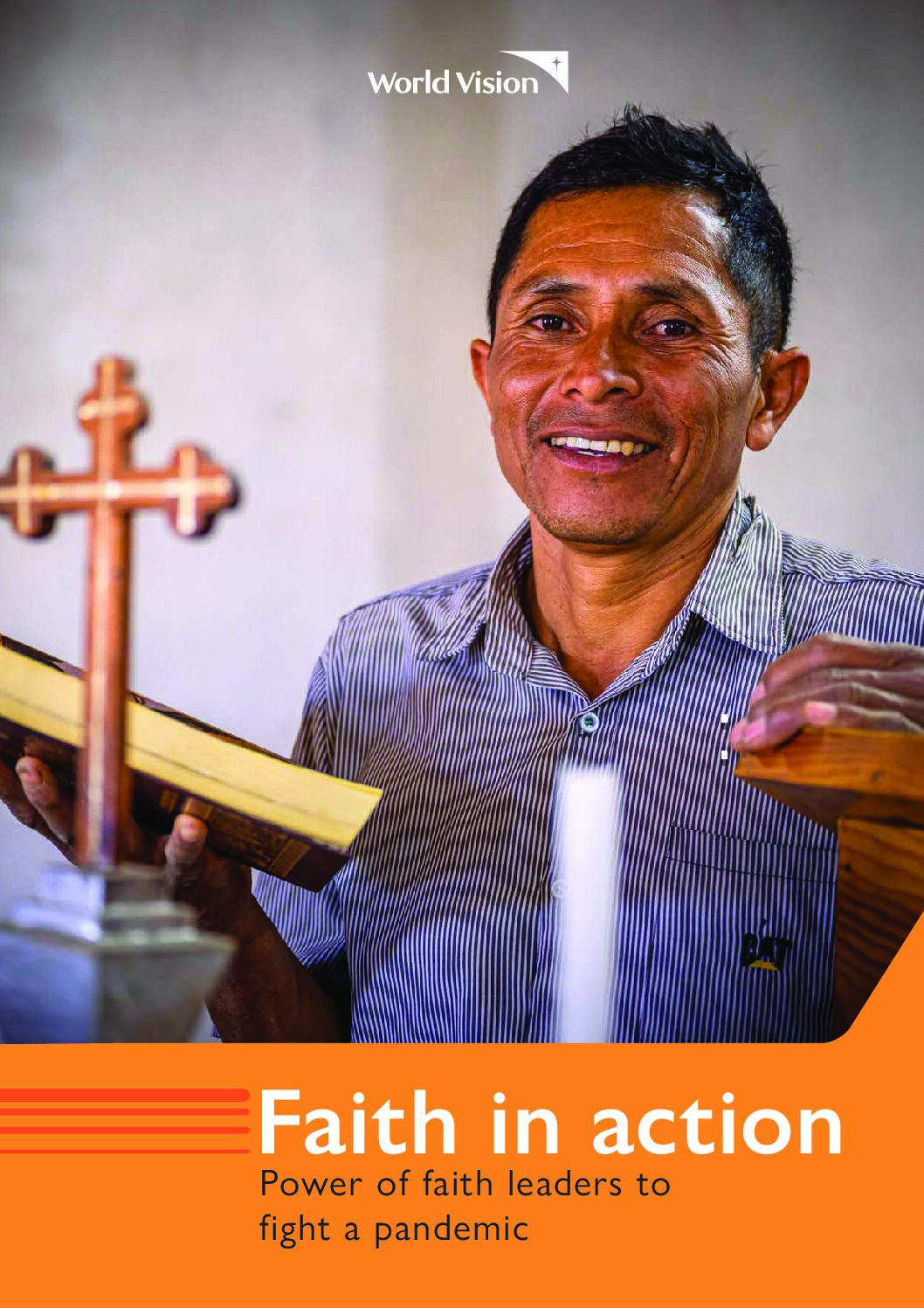
- Christian organizations like World Vision are working with churches to provide early warning systems and psychosocial care for displaced children in Bangladesh.
- Sikh teachings of Sarbat da Bhala “welfare of all” encourage community-based responses to disasters.
- The Islamic Declaration on Climate Change (2015) rallied global Muslim scholars to confront ecological injustice as a moral imperative.
From Moral Voice to Mobilized Action: What Faith Can Do
Faith leaders and institutions can do far more than pray, they can protect, empower, and mobilize. Here’s how:
Moral Reframing
- Shift public discourse: climate migrants are not “burdens” they are victims of injustice deserving of solidarity and support.
- Reaffirm religious teachings that prioritize protection of the vulnerable, especially children.
Community Mobilization
- Transform places of worship into early warning hubs, evacuation shelters, and child-friendly spaces during climate emergencies.
Faith-Based Financing
- Use traditional mechanisms like zakat, sadaqa, daan, and tithe to fund child-sensitive adaptation, including schooling, shelter, and psychosocial support.
Policy Advocacy
- Equip religious leaders to engage policymakers, demand inclusion of children in climate adaptation plans, and ensure faith voices influence national strategies.
Theological Reflection: A Call Across Traditions
- “Do not cause corruption upon the earth after it has been set in order” – Qur’an 7:56
- “Let the little children come to me… for the kingdom of heaven belongs to such as these.” – Matthew 19:14
- “Whenever righteousness declines and injustice prevails, I manifest myself.” Bhagavad Gita 4:7
Faith, in its trust form, is a compass for justice, especially for those who cannot speak like millions of children being displaced, silenced, and sacrificed at the altar of ecological neglect.
Faith Is the Missing Piece in the Climate and Child Rights Conversation
For me, the climate crisis is a deep moral and spiritual rupture. I have seen this clearly across South Asia, where faith is woven into the social fabric. It’s not separate from our response, it is our response. Unfortunately faith is left out of decision-making spaces where solutions are being shaped.
In Islam, there is the concept of Amanah, a trust from God. The Earth, children, and the vulnerable are part of this sacred trust. In the Quran, we’re reminded: “Corruption has appeared on land and sea by what the hands of people have earned” (30:41). Environmental harm is seen as a violation of divine responsibility.
In Hinduism, Dharma teaches us duty towards the collective well-being of society and nature. The principle of Ahimsa (non-violence) extends to how we treat the environment, and by extension, the lives of children caught in crisis. In Buddhism, Karuna (compassion) and right action call on us to respond to suffering with mindful engagement. Buddhist communities across Nepal and Sri Lanka have long practiced rituals of healing tied to nature and community balance. What if we expanded those to address climate trauma among children?
In Christian teachings, Jesus says, “Whatever you did for one of the least of these… you did for me.” (Matthew 25:40). That means the girl forced into marriage, the boy displaced by flood, the family praying in a tent with no home to return to, they all sit at the heart of any faithful response.
From my own experience working with imams, priests, monks, and pandits, I have seen the power of faith to change hearts, challenge norms, and mobilize protection. Faith leaders are frontline responders. But they must be better equipped, better included, and better supported in this work.
References
- UNICEF (2021). The Climate Changed Child.
- Islamic Relief Worldwide (2023). Climate-Induced Migration in Pakistan.
- Reuters, AP News, Le Monde, MDPI (2021), Migration Policy Institute, Wilson Center.
- Qur’an, Bible, Bhagavad Gita, Theological citations.

0 Comments