
Reclaiming the Divine Duty: A Faith-Inspired Call to Protect Every Child
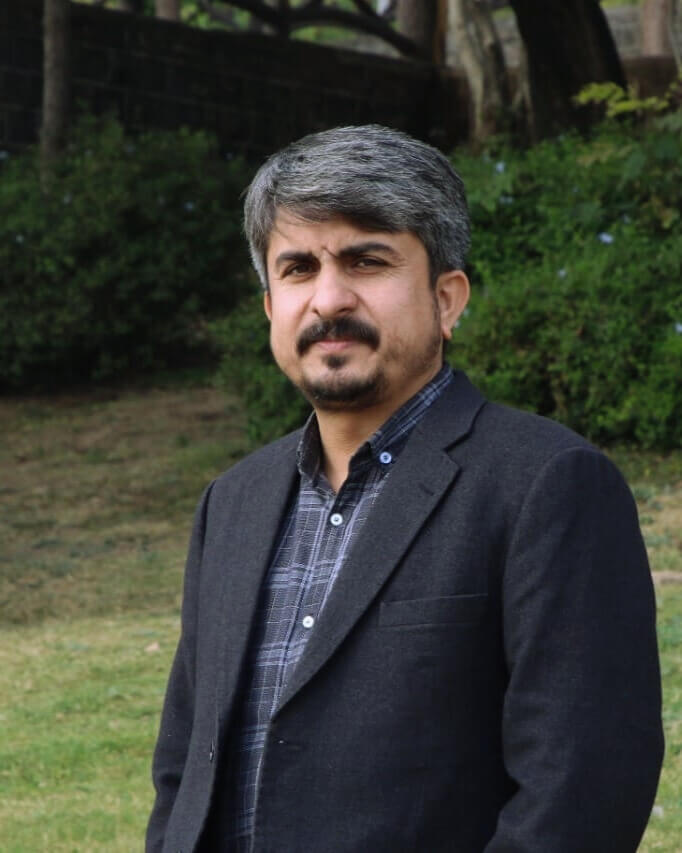
Noor Ur Rehman
JLI South Asia Regional Coordinator
“And when you see a child, you see the face of God.”
In every child’s laughter lies a divine melody. In their tears, a plea for justice. Across traditions, scriptures, and spiritual paths, one truth echoes with sacred clarity, children are a trust and a gift from God. To harm them is a betrayal not only of humanity, but of faith itself.
Yet across South Asia and the world millions of children suffer in silence, exploited, abused, neglected, or displaced by conflict and climate. In South Asia alone, over 33 million children are engaged in child labour, nearly 30 % of girls are married before the age of 18, and more than 38 million children remain out of school. Their rights remain words on paper instead of lived reality. As faith leaders, communities, and believers, we must ask: Are we doing enough to protect what God has entrusted to us?
Faith Traditions Speak With One Voice: Protect the Innocent
All major religions in South Asia uphold the sanctity of childhood:
- Islam: The Prophet Muhammad (peace be upon him) said, “He is not of us who does not have mercy on our young.” (Tirmidhi)
- Christianity: Jesus taught, “Whoever welcomes one such child in my name welcomes me.” (Matthew 18:5)
- Hinduism: Children are seen as manifestations of the divine, with scriptures urging protection and nurturing.
- Buddhism: Compassion toward the vulnerable, including children, is central to the path of enlightenment.
In a region where faith plays a vital role in everyday life, these values are not abstract; they are tools for transformation.
From Doctrine to Action: Faith Actors as First Responders
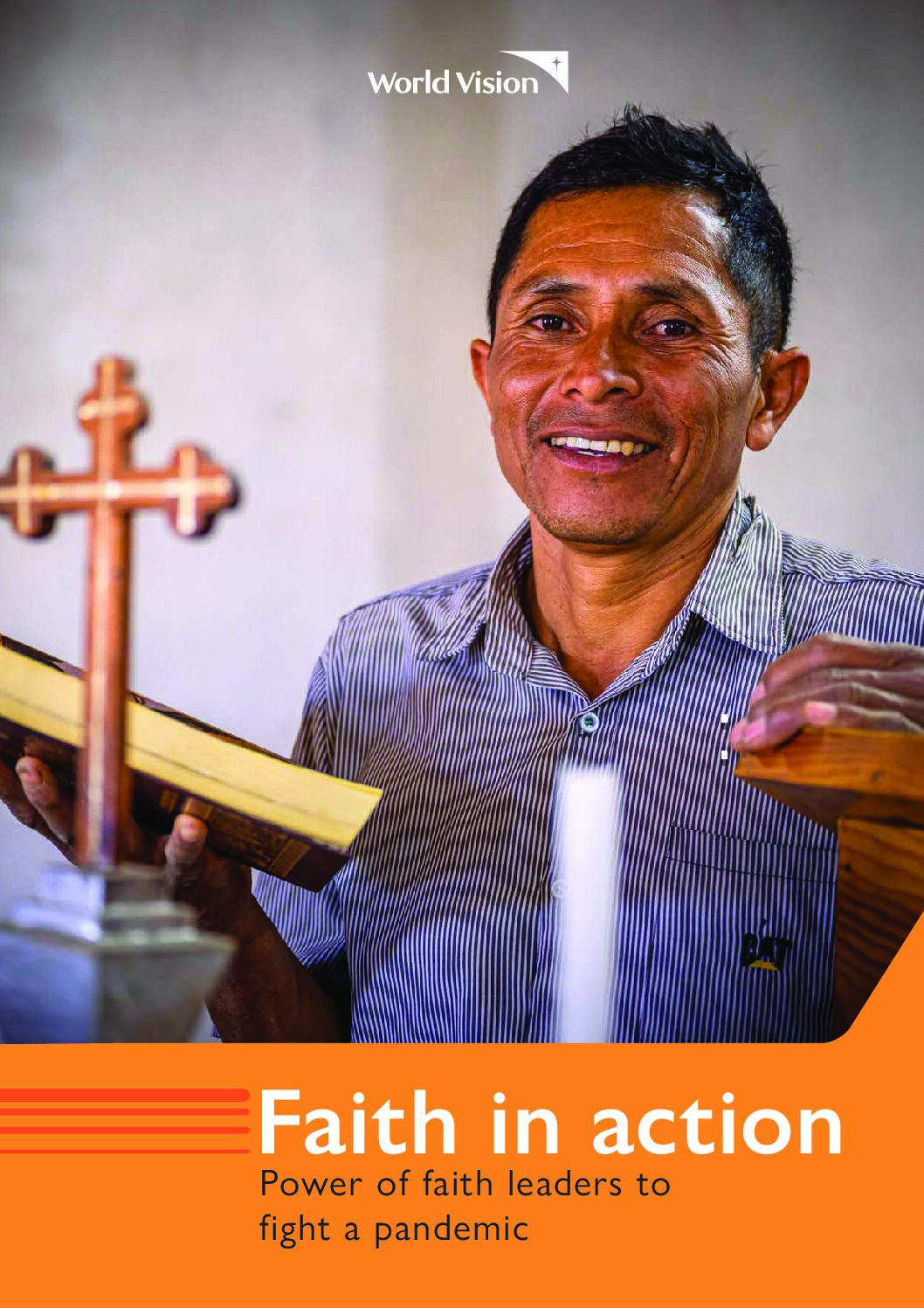
Temples, mosques, churches, gurdwaras these are not just places of worship. They are community hubs, trusted by families, present in remote villages and urban slums alike. Faith leaders officiate births, bless marriages, comfort the dying but they also hear the whispered pain of an abused child, or see the bruises that never reach a police report.
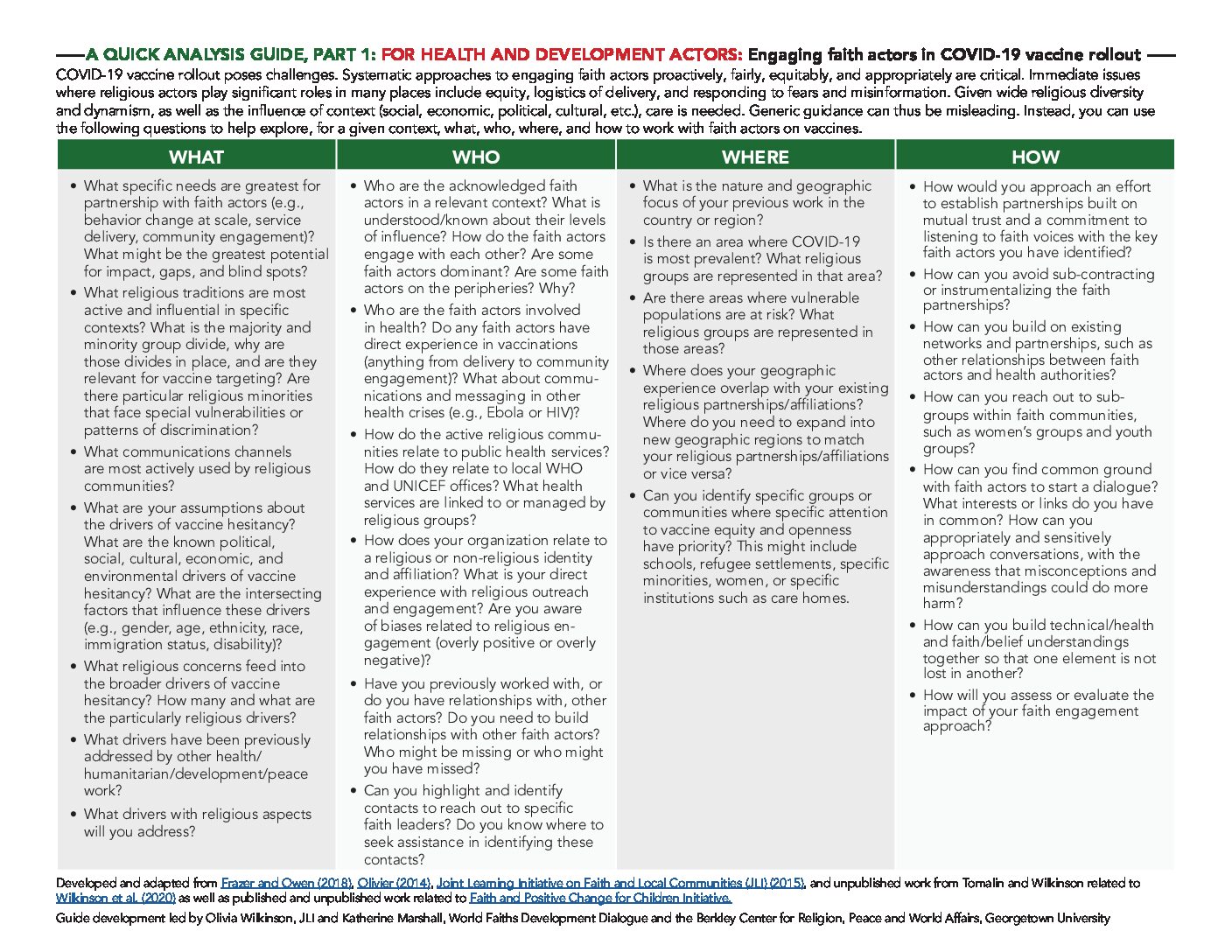
By training and a trust worthy partnership with faith leaders to promote positive change in their communities and specifically Child rights, child protection,education and good health equipping them with Faith based approaches e.g. Mind and Heart Dialogues methodology, referral systems, and fostering dialogue rooted in compassion and accountability, we can transform them into protectors, advocates, and as change agents.
Across the region:
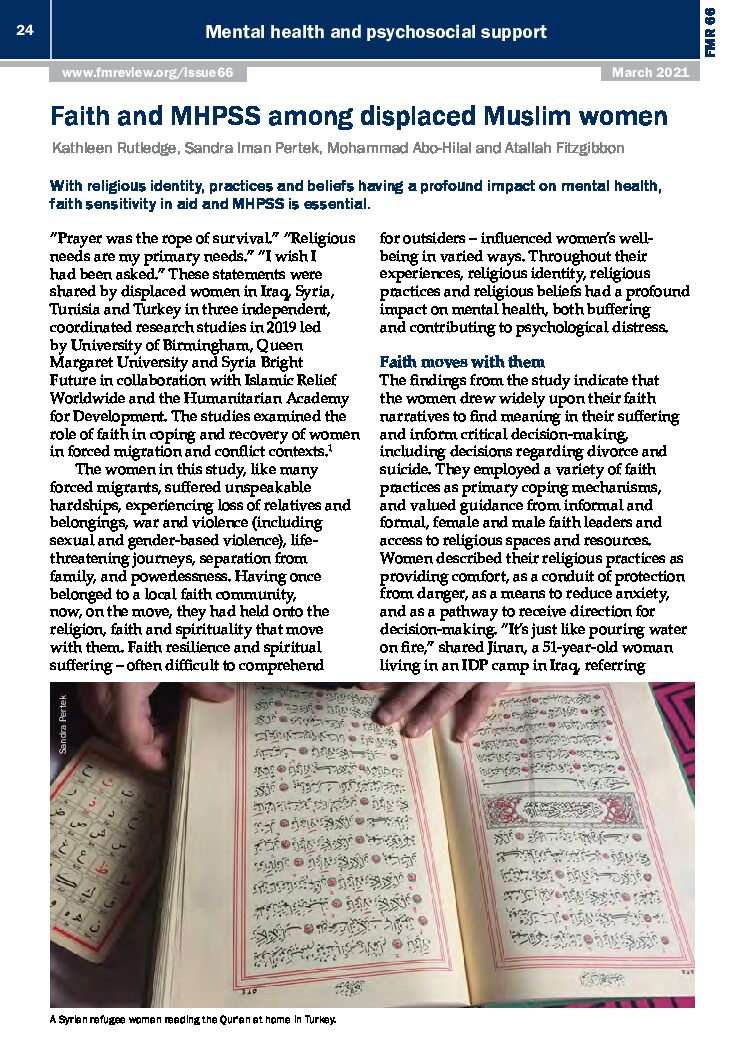
- Imams have preached against child marriage from Friday pulpits and talked about importance of mental and physical health of a girl before marriage.
- Priests have offered shelter to runaway children fleeing abuse.
- Buddhist monks have led campaigns on nonviolence against children.
These are not exceptions. They are a faith-based movement in the making.
Child Rights are Human Rights and Divine Mandates
The UN Convention on the Rights of the Child (CRC) outlines children’s rights to survival, protection, development, and participation. But long before international treaties, sacred texts already called for:
- Nurturing care for the young
- Equity and dignity, regardless of gender, caste, or ability
- Protection from harm and exploitation
- Education as a sacred duty
When global child rights frameworks align with moral teachings of faith, they gain unmatched legitimacy and resonance within communities.

Photo: Session with children at a local school in Pakistan
From Silence to Sanctuary: What Can We Do?
- Empowering Religious leaders to recognize and respond to child abuse and create safe spaces
- Integrate child protection messaging into sermons, scriptures, and rituals
- Create safe faith spaces for children free of violence, discrimination, or coercion
- Foster interfaith collaboration to advocate for child-sensitive policies
- Amplify children’s voices within spiritual and community platforms
A Sacred Responsibility, A Shared Future
In a world torn by war, displacement, and injustice, protecting children is no longer just a development goal. It is a moral emergency. It is also a sacred trust.
Let us rise not just as professionals or policymakers but as believers, protectors, and stewards of hope.
Because every child deserves not only rights but reverence. Because in every child’s future lives the soul of our humanity.

“A really beautiful piece of writing, Noor — mashaAllah. Keep it up. May your words guide those who may be doing wrong toward beautiful, full-of-life children, and lead them to the right path. Ameen.”