
Leaving Can Feel Like Losing Your Soul:
Addressing the invisible wounds of faith and belonging
Andrés Martínez García
Joint Learning Initiative on Faith and Local Communities

The Earth is speaking. She tells us that we have no more time.
Txai Suruí, COP 26
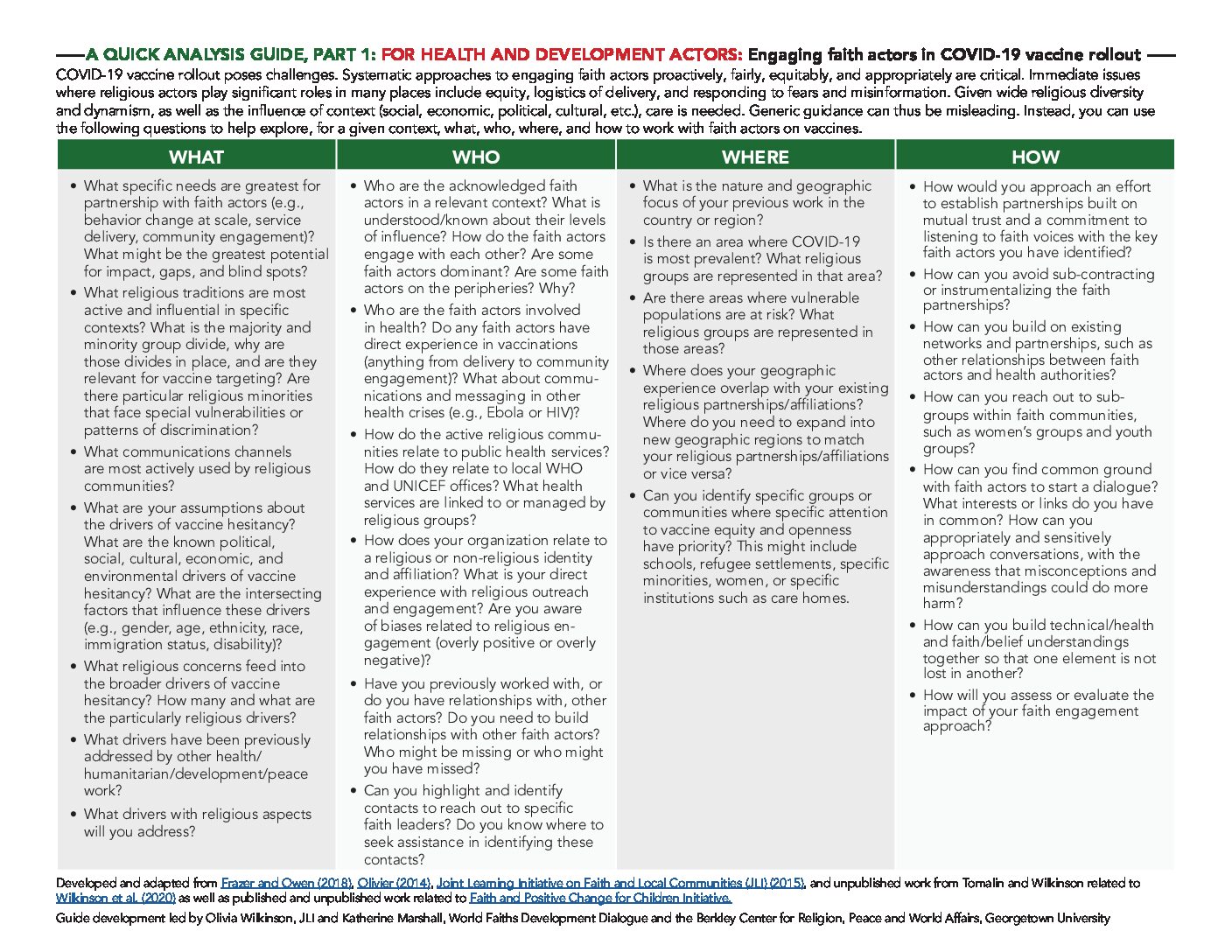
Frequently, across the humanitarian and development sectors, climate migration discussions tend to fixate on hard metrics and “objective” data such as GDP losses, number of displaced families, and causal push and pull factors. This approach, we argue, neglects to acknowledge one of the most profound drivers of mobility decisions: the breaking of sacred connections that bind people to a place. JLI and Christian Aid´s Evidence Review on Faith and Climate Migration indicates that “Religious and spiritual losses may be incurred due to climate change, especially where there are strong religious or spiritual ties to a specific place, community, or area of land”. We must recognize that invisible wounds will result from having to leave these significant places if we are to design and deliver more humane and effective responses.
More than Income, Employment and Security
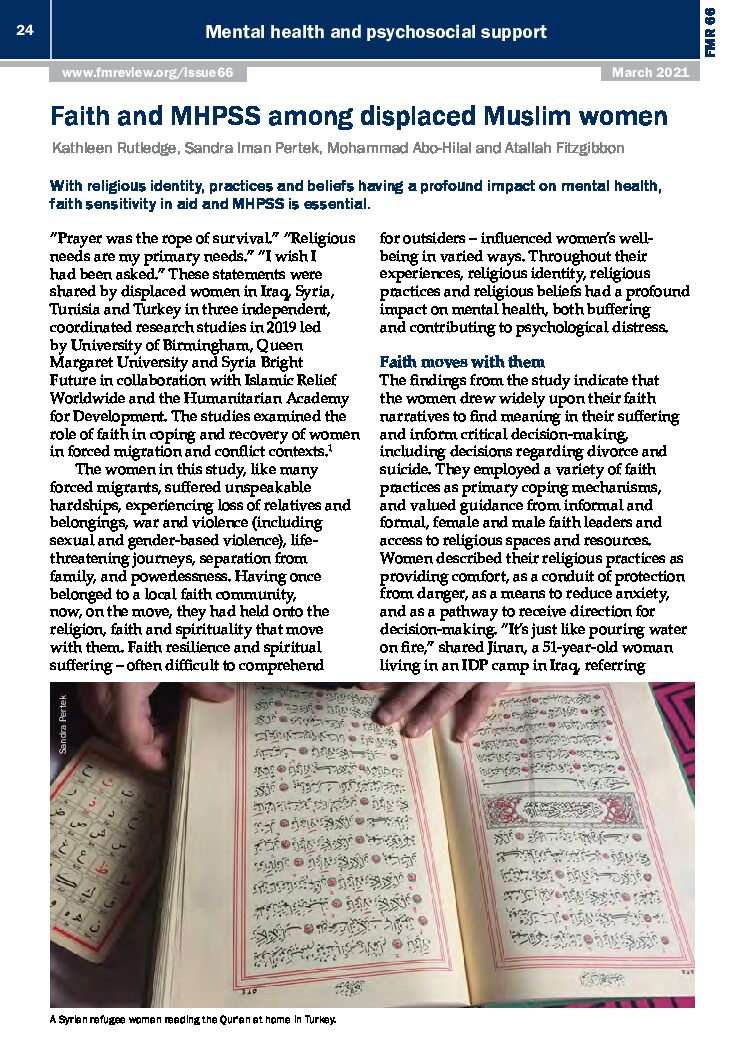
When climate change forces communities to move they are not just leaving property, they are severing the connection to places that signify communal and spiritual life. For some it might be a river or forest, for others an ancient temple. These places hold generational memories, are repositories of social identity and can be deemed imbued by a divine presence.Therefore, losing access can lead to disorientation, further trauma, and complicated grief. In religious terms it raises questions about how communities make sense of suffering caused by profound changes in the natural world that challenge their understanding of divine justice and purpose. Displaced Indigenous and Afro-descendant populations frequently describe grieving due to climate as a communal process, one that is much more profound than a loss of livelihood and economic hardship.
Voluntary Immobility or the Right to Remain
In her book “Voluntary Immobility: Indigenous Voices in the Pacific” Carol Farbotko (2018) argues that indigenous peoples affected by climate change have a clear understanding of the risks they face. For them, deciding to remain in their ancestral homelands is not a question of where to go or how to make a living in a new place, but how to be resilient and remain in order to maintain their cultural identities. (1) Staying (and planning on how to survive despite challenges) becomes active resistance against cultural erasure. Unfortunately, this choice is often absent from policy discussions and frameworks.
Learning to Listen
To comprehend the intangible losses affecting people´s decision to migrate or not, we must reframe climate migration through theological, spiritual and cultural narratives: This can be achieved by incorporating ethnographic collections of oral histories, consider ritual calendars, analyse artistic expressions, validate spiritual-care practices, and understand that time is not universally experienced and in many cultures is frequently non-linear. Organizations working in the intersection between migration and climate change, particularly those providing direct support to affected communities can deliver better services by strengthening culturally sensitive participatory protocols that go beyond information captured by quantitative analysis. Also, programs can consider participatory metrics that allow for communities to define and keep track of their losses and healing sources. Tools like Most Significant Change (MSC) and Community Mapping Exercises help to capture shifts in collective belonging, and what matters most to those directly impacted by climate change (and interventions). These methods empower communities as co-researchers, and ensure that research of loss or resilience is interpreted and owned by those affected because these communities get to determine what solutions are best suited and needed for their context.
Recommendations based on the Evidence Review on Faith and Climate Migration
- Leverage faith actors moral authority: Advocate with them for policies that protect the environment AND Sacred Sites. Note: Many sacred sites are not buildings.
- Document faith-based wellbeing approaches: Share, highlight, and value rituals and ceremonies as potentially beneficial mental health and psychosocial interventions.
- Mainstream gender: Empower women to shape culturally responsive and spiritually sensitive migration responses
- Address power dynamics among faith actors: Make sure that marginalized religious voices, especially those promoting voluntary immobility, are heard and included in migration responses.
- Consider spiritual leaders outside mainstream religious institutions, for example Indigenous elders, whose guidance and perspectives are frequently excluded from prevailing frameworks.
(1) Farbotko, Carol. 2018. “Voluntary Immobility: Indigenous Voices in the Pacific.” Forced Migration Review 57

0 Comments