
Empowering Communities Through Faith:
The Salvation Army Pakistan’s Holistic Approach to Child Well-being and Social Change
Fozia Columbus (Major)
The Salvation Army

At the heart of Pakistan’s diverse and resilient communities, The Salvation Army Pakistan has been quietly yet powerfully transforming lives– drawing on a legacy that began globally in 1865 and in the subcontinent in 1882. As a faith-based organization rooted in Christian values, it is uniquely positioned to blend spiritual guidance with practical community development. By using the church as a platform for education, advocacy, and empowerment, The Salvation Army fosters a culture of compassion, dignity, and hope.
The Salvation Army in Pakistan shares the global organization’s international core vision and mission: to preach the gospel of Jesus Christ and to meet human needs in His name without discrimination. In Pakistan, this mission translates into tangible action– addressing poverty, disaster relief, and social inequality, while also delivering community health initiatives (awareness sessions), education, and development programs.
Vision
The Salvation Army in Pakistan envisions communities transformed and empowered by the gospel, where individuals are enriched through local and global connections and equipped to fulfil their potential through lifelong learning and development–actively engaged in social justice and action to positive action for the betterment of society.
Mission
Its mission is to share the love of Christ and His message of hope, compassion, and salvation, while providing practical support to those in need. This includes tackling poverty, disaster relief, and social inequality across vulnerable populations.
“Without God we can do nothing in this frightful chaos of human misery. But with God we can do all things, and in the faith that He has made in His image all the children of men, we face even this hideous wreckage of humanity with a cheerful confidence that if we are but faithful to our own high calling He will not fail to open up a way of deliverance…”
– General William Booth, In Darkest England and the Way Out, p.35
Key Initiatives in Pakistan
Community Health Programs
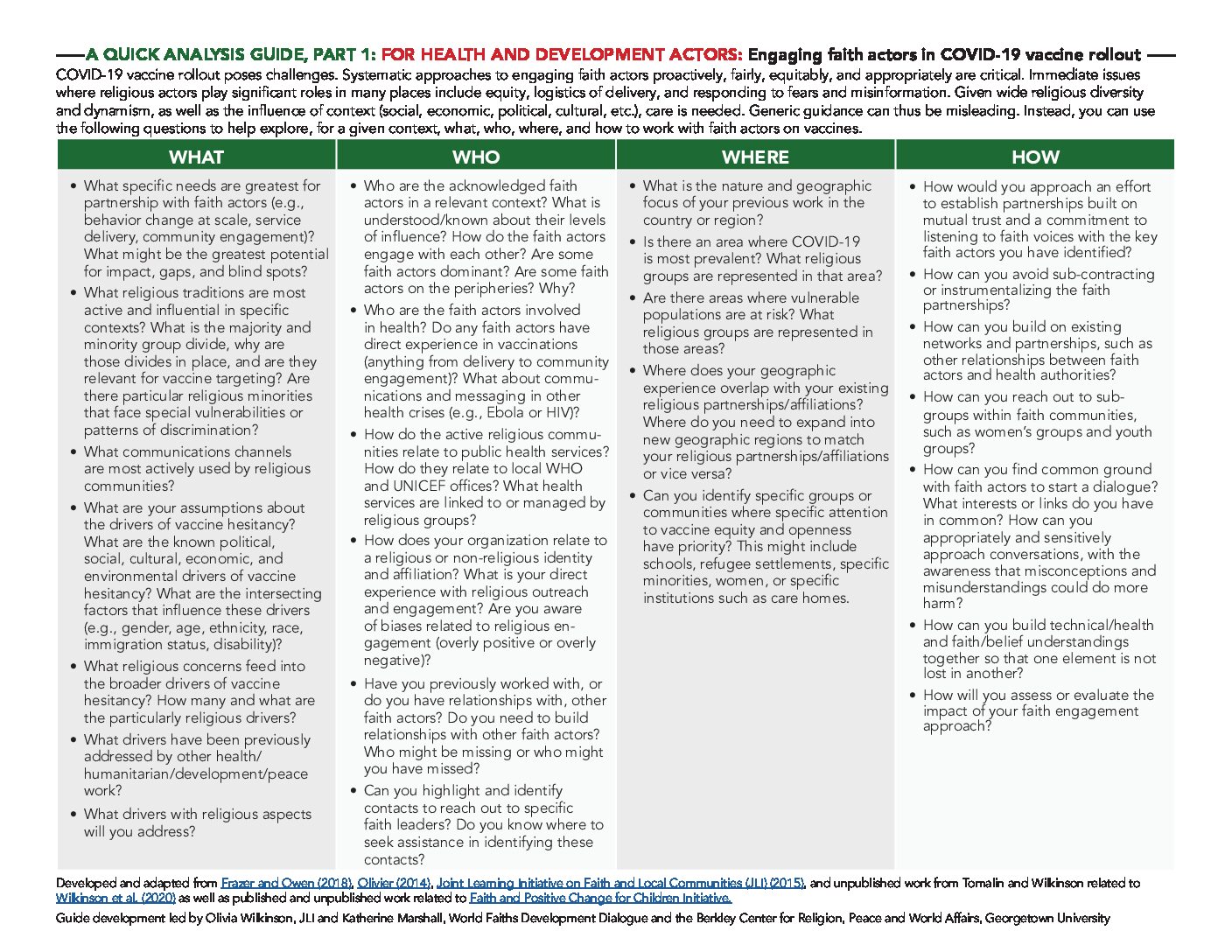
The Salvation Army Pakistan is currently implementing the Sustainable and Resilient Community Development Programme (SRDP) across multiple cities: Lahore, Sahiwal, Khanewal, Karachi, Faisalabad, Sheikhupura, Islamabad, Hyderabad, and Jhang. Launched in the aftermath of the COVID-19 pandemic, SRDP represents a renewed wave of hope–aiming to revitalize communities through health, education, and empowerment.
Women & Youth Empowerment
Through vocational training, adult literacy, and income-generating initiatives, SRDP empowers women and youth to: Build self-confidence and independence, Access government and public services, and Create sustainable livelihoods.
Inclusive and Holistic Approach
Grounded in the the Leave No One Behind (LNOB) principle, SRDP addresses critical social issues including Gender discrimination, Gender-based violence, Child protection and parental guidance, and Socio-economic development
Healthcare & Well-Being
SRDP places a strong emphasis on primary and preventive health education, particularly for mothers, children, and families. Key focus areas include: Family health awareness, Maternal and child care, Access to clean drinking water, Solid waste management, and Climate and environmental health education.
Education Access
The Salvation Army offers educational opportunities to over 1,300 children and young people, and deeply committed to the holistic development of children in Pakistan. Operating across 136 locations—including orphanages, schools, and community centres—the organization reaches approximately 41,367 individuals, providing safe, supportive, and nurturing environments. It directly educates over 1,300 children through its orphanage homes and educational institutions. In addition, The Salvation Army’s Community Development Programme offers inclusive opportunities for all community members within its operational areas to grow, learn, and thrive, empowering them to reach their full potential.
The Salvation Army Pakistan is currently piloting a new orphanage, working in partnership with the government and young doctors from King Edward Medical College to provide specialized care and health support. These efforts not only address urgent needs but also build the foundation for long-term resilience, child protection, and empowered communities.
Community-Led Change
The Salvation Army Pakistan ensures that development is community-driven, inclusive, and sustainable by using its Corps (Church communities) as key entry points. This approach ensures builds on TSA’s longstanding commitment to human rights, social justice, and non-discriminatory service. Children are both direct and indirect beneficiaries of these programs, which strive to provide safe, secure, and nurturing environments where they can flourish and reach to their full potential.
Driving Social Behaviour Change
Sustainable transformation begins with a shift in mindset. The Salvation Army Pakistan promotes positive social behavior change through:
- Community dialogues on child protection, gender equality, and health awareness.
- Workshops and training for parents, teachers, and youth in areas such as positive discipline, life skills, conflict resolution, and responsible parenting.
- Faith-integrated messaging that aligns moral and spiritual teachings with social responsibility and community well-being.
|
Community Members (indirect beneficiaries) of the SRDP Programme |
Men |
Women |
Boys |
Girls |
Total |
|
Beneficiaries |
3700 |
4000 |
11088 |
12012 |
30800 |
|
Of those with disability |
38 |
40 |
42 |
60 |
180 |
The Salvation Army Pakistan comprises of 134 Church communities (Corps), 380 sub-communities across the country. The organization is served by 350 active officers/pastors, 117 retired officers/pastors, and 125 full-time employees (non-ordained staff). Together, they support a faith community of over 41,158 Church members (senior soldiers), 3,599 friends, and 9,312 junior Church members (junior soldiers).
“The Salvation Army walks with every child from the cradle to the grave — nurturing, guiding, and empowering them through every stage of life with unwavering love, faith, and care.”
Impact and Testimonials
These programs are transforming lives by strengthening families, empowering youth, and building safer, more inclusive communities. Here are a few voices from the field:
One mother from Sheikhupura shared:
“The Salvation Army walks with every child from the cradle to the grave — nurturing, guiding, and empowering them through every stage of life with unwavering love, faith, and care.”
A youth participant in Karachi said:
“Learning life skills gave me confidence. I now help my younger siblings with school and want to become a teacher.”
Finding Hope at Shiloh: Adan’s Journey of Resilience
“My name is Adan Jonson, and I want to share my journey—a story of loss, resilience, and hope.
My father, Jonson Masih, worked tirelessly to support our family, which included my four loving sisters, my brother, and me. Our lives changed forever when he tragically passed away at work. Not long after, our mother left us. We were heartbroken, confused, and vulnerable.
In our darkest moment, my father’s family stepped in, offering love and support. It was through their help that I found a new beginning at Shiloh Boys Home -The Salvation Army orphanage, a place that has become my sanctuary. Here, I met friends who, like me, have faced hardship. Together, we are learning to heal and grow.
At Shiloh, I’ve found purpose. I dream of becoming a male nurse, to care for others as I have been cared for. I also find peace in playing cricket, a game that teaches me teamwork, discipline, and joy.”
Sustainable Change through Cultural and Spiritual Roots
By embedding its messages and interventions within culturally and spiritually resonant frameworks, The Salvation Army ensures that the change it fosters is not only impactful, but also meaningful and lasting.
Church as a Catalyst for Community Upliftment
The church is more than a place of worship—it is a center for healing, hope, and transformation. The Salvation Army leverages its church network as a platform to:
Mobilize volunteers and local leaders
The Salvation Army actively engages local volunteers and community leaders to identify and address critical needs, such as child protection, education gaps, and public health concerns. This bottom-up approach ensures that responses are locally relevant and sustainable.
Example: In Khanewal, local volunteers identified out-of-school children and facilitated their enrollment in nearby schools, helping reduce dropout rates and increase access to education.
Raise awareness on education, health, and human rights
Church-based awareness campaigns in areas such as Sheikhupura and Karachi have focused on promoting girls’ education, hygiene and sanitation practices, and basic human rights.
These initiatives have led to improved school attendance, greater awareness of vaccination and hygiene, and enhanced family engagement in children’s education.
Provide vocational training to empower families
In cities like Lahore and Karachi, The Salvation Army provides vocational training in: tailoring and sewing, computer literacy, and small business and entrepreneurial skills.
These programs are specifically impactful for women, enabling them to contribute economically and support their families.
One participant shared:
“After the sewing course, I started stitching clothes from home. Now I support my children’s education with my income.”
The Salvation Army Pakistan is committed to achieving sustainable development in its target communities by building local capacity, and strengthening community committees to maintain the development process.
In many of Pakistan’s communities, especially rural areas, there is a significant lack of awareness and access to Technical and Vocational Education and Training (TVET), professional education, and life skills-based learning. Opportunities to acquire IT skills, connect with formal institutions, and pursue skills-based training remain limited, largely due to geographic inaccessibility and long distances from educational centers. In addition, access to adequate healthcare, particularly in maternal and child health emergencies, remains minimal.
This program aims to mobilize 60 communities across 7 divisions and 2 districts, empowering them to address long-standing challenges related to health and healthcare access, illiteracy and school dropouts, social and economic injustice, poverty and exclusion. It is worth noting that Pakistan remains a predominantly agricultural country, with 63% of its population living in rural areas.
The program is being implemented in the following geographic locations: Lahore, Sahiwal, Khanewal, Hyderabad, Karachi, Jhang, Faisalabad, Sheikhupura and Islamabad. As such, it covers three provinces of Pakistan (Punjab, KPK and Sindh). The direct beneficiaries include women, children, youth, and men of working age with the capacity to manage small enterprises and generate income through business opportunities. Specifically, the program targets: women aged 18-55, children aged 0-5, adolescents and youth (both men and women aged 18-35), and persons with physical disabilities (youth and adults).
During our community dialogue sessions, youth-related challenges emerged as a key concern, along with a growing sense of disenchantment and disengagement among both youth and women. These groups are increasingly disconnected from opportunities critical to their development as productive citizens, such as education, skills training, and civic participation.
If these groups are given opportunities as new entrants to the labor market and absorbed into productive activities, it will boost income per capita and result in a demographic dividend at the country level. On the other hand, if these entrants can’t find decent work opportunities, then the youth bulge is likely to become a potential demographic risk that may burden economic growth. Poor knowledge and opportunities of community members in terms of access to training, labor laws, modern business techniques, technical skills and knowledge in small-scale and organic agriculture, and marketing.
Target youth and women bulge represent both an opportunity and a risk. It has been realized that it is of utmost importance to tackle the fact that they are not mentored and guided. Furthermore, they are not socially involved in productive activities, which take them away from growth and career development. On the one hand, there is a high increase in the proportion of the population that is working age, but there is a limited entry for youth and women into employment and economic opportunities due to a lack of skills and professional mentorship.
These efforts have not only improved individual lives but also strengthened entire communities by promoting dignity, self-reliance, and hope. This faith-driven model fosters trust and inclusivity, enabling the organization to reach even the most vulnerable and underserved populations.
Faith Actors as Agents of Change
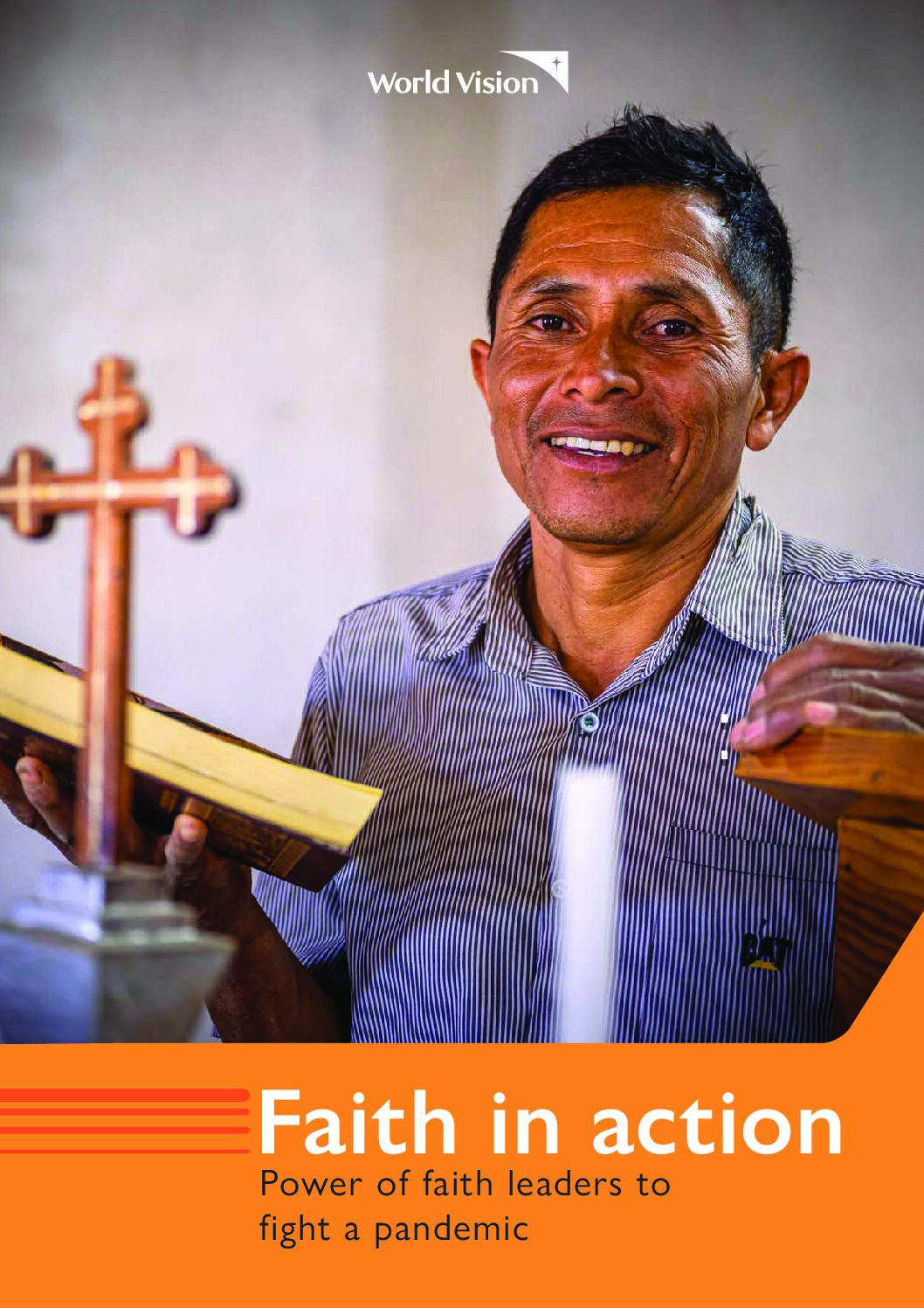
Faith leaders (pastor/officers) referred to as officers in The Salvation Army, along with their congregations, are at the heart of the organization’s community transformation strategy. With their moral authority and deep-rooted connections, these leaders are powerful advocates for justice, compassion, and human dignity. By equipping them with knowledge and practical tools, The Salvation Army ensures that faith is not only a source of comfort but a catalyst for social change.
In Pakistan, The Salvation Army empowers its officers/pastor with comprehensive training, equipping them to serve communities holistically, spiritually, socially, and economically.
Key Areas of Officer Training:
1. Theological and Leadership Training
Pastors (officers) are trained at the Salvation Army Training College in Lahore, where they receive a foundation in theology, leadership development, and pastoral care. This enables them to guide communities with spiritual insight and practical leadership.
2. Community Development and Social Work
Training includes skills in community needs assessment, project planning, and local resource mobilization. Officers led initiatives in health, education, disaster response, and community resilience.
3. Life Skills and Vocational Empowerment
Through programs like SRDP (Sustainable and Resilient Community Development), pastors (officers) promote life skills and economic empowerment, especially in marginalized and underserved communities.
4. Child Protection and Gender Equality
Pastors (officers) are trained in safeguarding, gender sensitivity, and inclusive practices, ensuring their work upholds the rights, safety, and dignity of all individuals.
5. Faith-Integrated Messaging
Officers are supported in aligning spiritual teachings with social responsibility, helping communities understand that faith is not passive, but rather an active force for justice, unity, and transformation.
This approach aligns with broader movements in Pakistan, where religious and social leaders are increasingly recognizing their pivotal role in addressing critical social issues such as child protection, education, and health.
The Salvation Army uses Faith-Based Facilitation (FBF) as a guiding method to help individuals and communities explore challenges and make decisions in light of their faith. FBF is not a fixed program, but rather a way of working that encourages deeper reflection on how faith can inform daily actions and decision-making. It aims to foster healthier individuals, more resilient individuals and communities by connecting belief with behavior and values with action.
Conclusion
The Salvation Army Pakistan stands as a model of holistic, community-centered development, where faith and action are inseparable. By training faith leaders, integrating spiritual care with social services, and mobilizing the church as a platform for advocacy, The Salvation Army is nurturing a generation of children and families who are safe, empowered, and inspired to shape a better future.
The Salvation Army is expanding its focus to address emerging and often overlooked challenges such as climate change and hidden disabilities in children. Recognizing that children are among the most vulnerable to climate-related impacts-affecting their health, development, and emotional well-being-the organization is taking proactive steps.
On 10 July 2025, the Social Department of The Salvation Army Pakistan organized a national training workshop for teams from social institutions across the country. The session focused on how climate change intersects with child rights and protection.

God bless salvation army thank you Major Fozia Columbus you give us information about salvation army