
Retrospective Ethnography – Studying the Familiar
Shafaat Saleem
Nova University of Lisbon

I belong to the Ismaili community where faith and worldly engagement go hand in hand. Alongside regular schooling, a significant part of my childhood was spent attending the Religious Education Centre (REC). REC was not just a place for theological teachings, but also a place which nurtured my ideas of responsible citizenship, community service, social pluralism, and ethical leadership. Similarly, Jamatkhanas – the Ismaili places of worship and community gatherings – are not just for religious ceremonies; they are hubs for socialization, knowledge production and exchange, and volunteerism. Thus, growing up as an Ismaili Muslim, my faith strongly shaped and inspired my everyday social activities and identity. It was never separated from my worldly activities, particularly those revolving around community development and positive social change. Religion and development thus remained and continue to be interconnected and interdependent in Ismaili ethics and practices.
Faith as a Framework of Development: the AKDN Model
My upbringing is emblematic of how the Ismaili community places a strong emphasis on the intersection between religion and development. This very intersection is the foundation for the work of the Aga Khan Development Network (AKDN). A transnational and non-denominational development organization, AKDN defines development as an act of faith rooted in Islam. As the 49th Ismaili Imam, Shah Karim (2012) stated: “my institutional responsibilities for interpreting the faith are accompanied by a strong engagement in issues relating to the quality of life, not only for the Ismaili community but also for those they share their lives with”. AKDN and its widespread development work is not limited to religious charity or welfare, rather their development goals adapt and align with global sustainable development agendas, revolving around environmentalism, support for refugees, pluralism, quality education, economic development, etc. This became my inspiration for my doctoral research – to explore this unique relationship between religion and development, as seen through the lens of AKDN.
Blurring the Boundaries
For the last few years, I have been studying the work of AKDN, in parallel to many other development organizations often classified as Faith-Based Organizations (FBOs). However, what struck me was how, despite its religious inspiration, AKDN does not identify itself as an FBO. This is primarily because there is no perceived distinction between faith or development, making AKDN different or like any faith, non-faith or secular organizations. Faith does not only inspire AKDN’s development work. Rather, faith adapts and becomes a development practice itself, and development emerges as a faith manifestation. One of my interlocutors working for the AKDN mentioned how they conceived of their professional work as religious commitment, and reporting to a supervisor also meant reporting to their spiritual leader. This prompted deep personal reflection on my own life.
From early childhood to the present, working with Ismaili institutions has always felt like an ethical responsibility which also meets my religious aspirations. My religious commitments find expression in my professional engagement, knowledge pursuit, educational development activities and leadership within and outside the Ismaili institutions for community development. Thus, my life all along became my ethnographic ‘field’ – there is no beginning or end of my field. The boundaries between my academic, professional and religious commitments are blurred. And perhaps this is the very essence of my research findings too – within Ismaili ethics and AKDN practices, Din and Duniya – i.e. faith and the world – are not separated but interwoven There is no binary of religious and secular. According to the 49th Ismaili Imam, “Islam does not deal in dichotomies but in all-encompassing unity. Spirit and body are one, man and nature are one… man is answerable to God for what man has created. Since all that we see and do resonates on faith, the aesthetics of the environments we build and the quality of the interactions that take place within them reverberate on our spiritual lives” (Houston, USA, 2002).
An Experiential Ethnography of Evolving Islam
My ethnographic work, as such, is explorative yet experiential and retrospective. It is less concerned with how faith inspires development and more about when and how faith – Islam in this case – becomes a development practice in Ismaili ethics. In doing so, I intend to also point to the multifaceted interpretation of Islam, its adaptability and fluidity. The 48th Ismaili Imam, Aga Khan III, wrote in his memoirs: “Ismailism has survived because it has always been fluid. Rigidity is contrary to our whole way of life and outlook” (Aga Khan III, 1954, p. 65). By defining development as a religious act, the Ismailis do not only blur the religious-secular dichotomy but also represent the diversity of ways in which Islam evolves and is lived and practiced. Likewise, by interpreting religion and development as two sides of the same coin, the Ismailis approach faith in ways beyond textual, dogmatic and ritualistic manners – Islam becomes a global development effort which evolves with time to address contemporary challenges of everyday life. Faith and worldly development thus go hand in hand, neither forsaken, nor separated.
Conclusion – An Insider’s Perspective
Having stated the above, one could ponder upon the objectivity of analysis when doing research as an insider. The preconceived biases, religiosity, and knowledge might be considered some of the factors influencing the overall neutrality of my findings on the Ismaili community. However, I was born and raised in Pakistan – a place where notions of religion, secular and development render differently from much of the so-called West. My ethnography, however, takes place in Portugal where religion manifests differently in developmental, cultural and policy rhetoric. Hence, while I consider myself part of the collective Ismaili identity and its broader interpretation of faith, I embody autonomous faith perceptions, academic, non-academic and transnational experiences, and belonging to a sociocultural context different from the one I study – all these characteristics make me familiar yet strange to what I aim to study. Thus, I’m an insider yet an outsider at the same time – how this insider/outsider position shapes my analysis is something I am excited to explore.

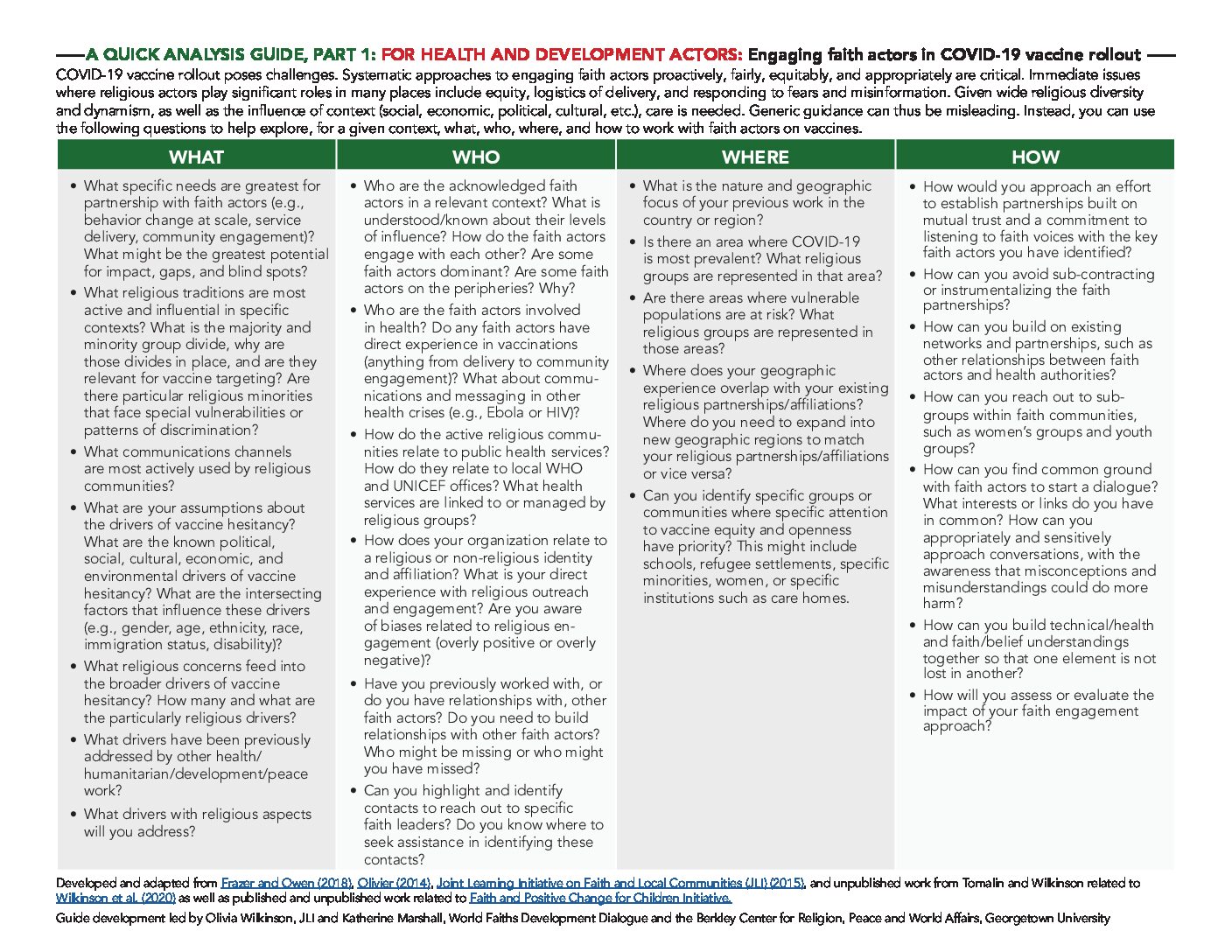
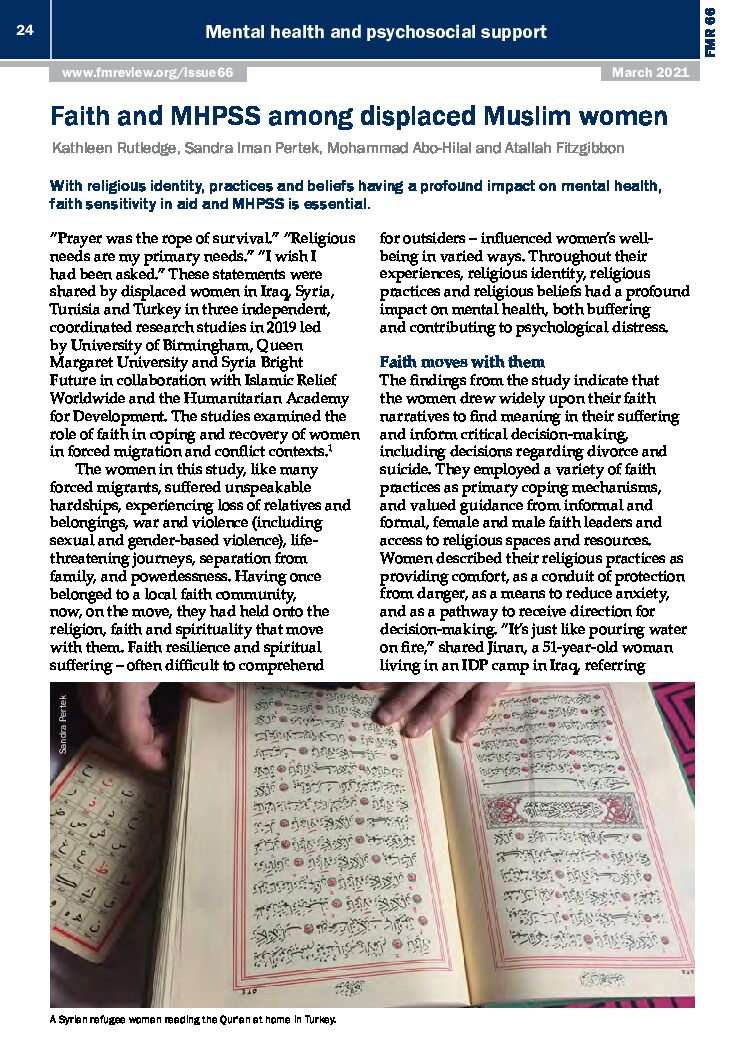
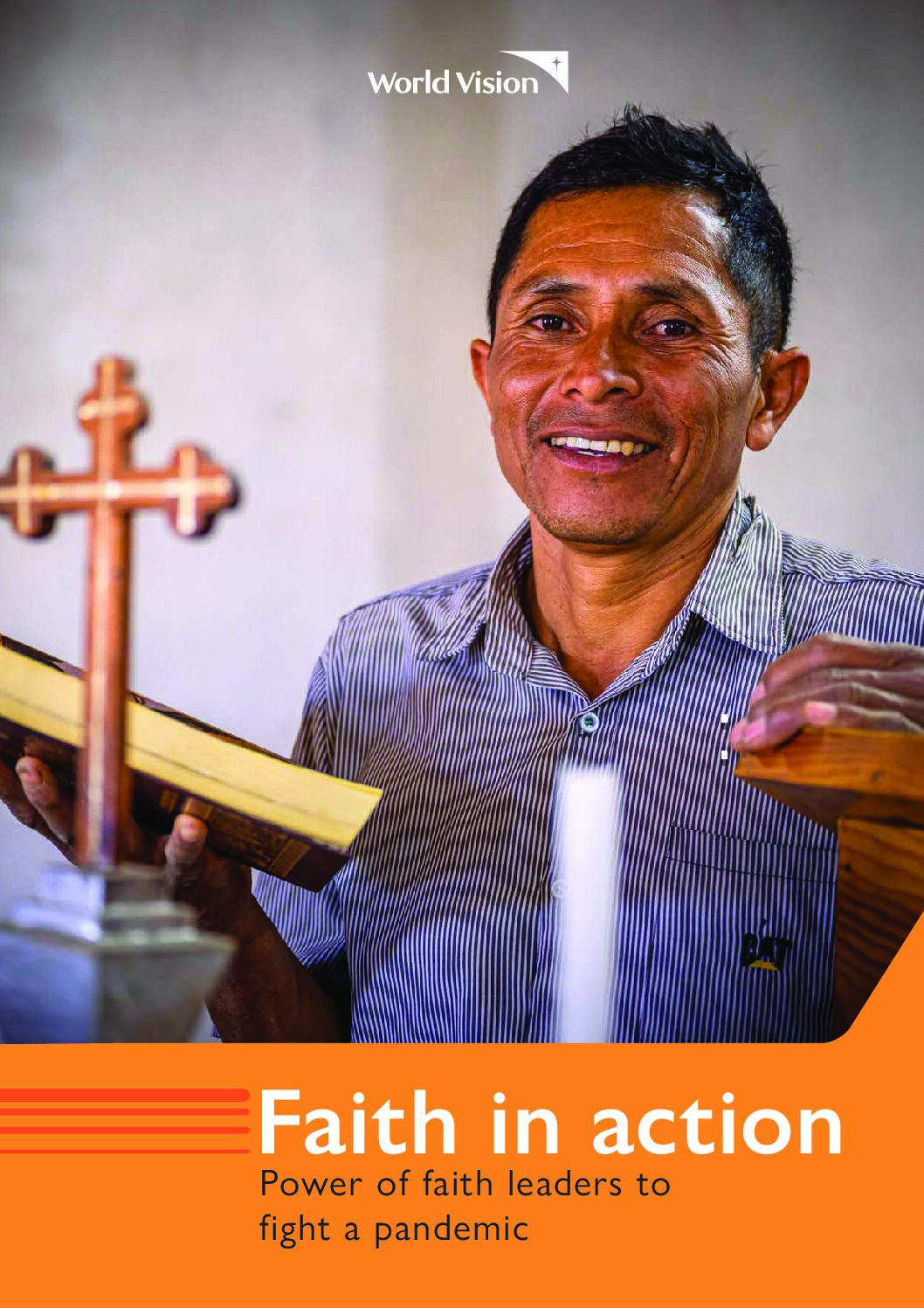
An insightful and gracefully crafted piece—your retrospective ethnography offers a powerful blend of personal reflection and methodological depth. The concept of “past-presencing” is especially compelling, showing how meaning evolves through time and memory. Your honest engagement with insider positionality and reflexivity adds credibility and richness, while your narrative captures the emotional and intellectual nuances of fieldwork. This work is not only methodologically innovative but also deeply impactful, particularly in its application to institutional learning. A valuable and thoughtful contribution—thank you for sharing it.