On July 14, 2022, JLI held a webinar where Dr Jason Paltzer, Wisconsin Lutheran College, spoke about “A Christian collaborative for public health research and evidence-based practice”. Dr Dan O’Neill, University of Connecticut and Managing Editor of the Christian Journal for Global Health, responded and it was followed by a Question and Answer session.
View the presentation slides here and read the article here.
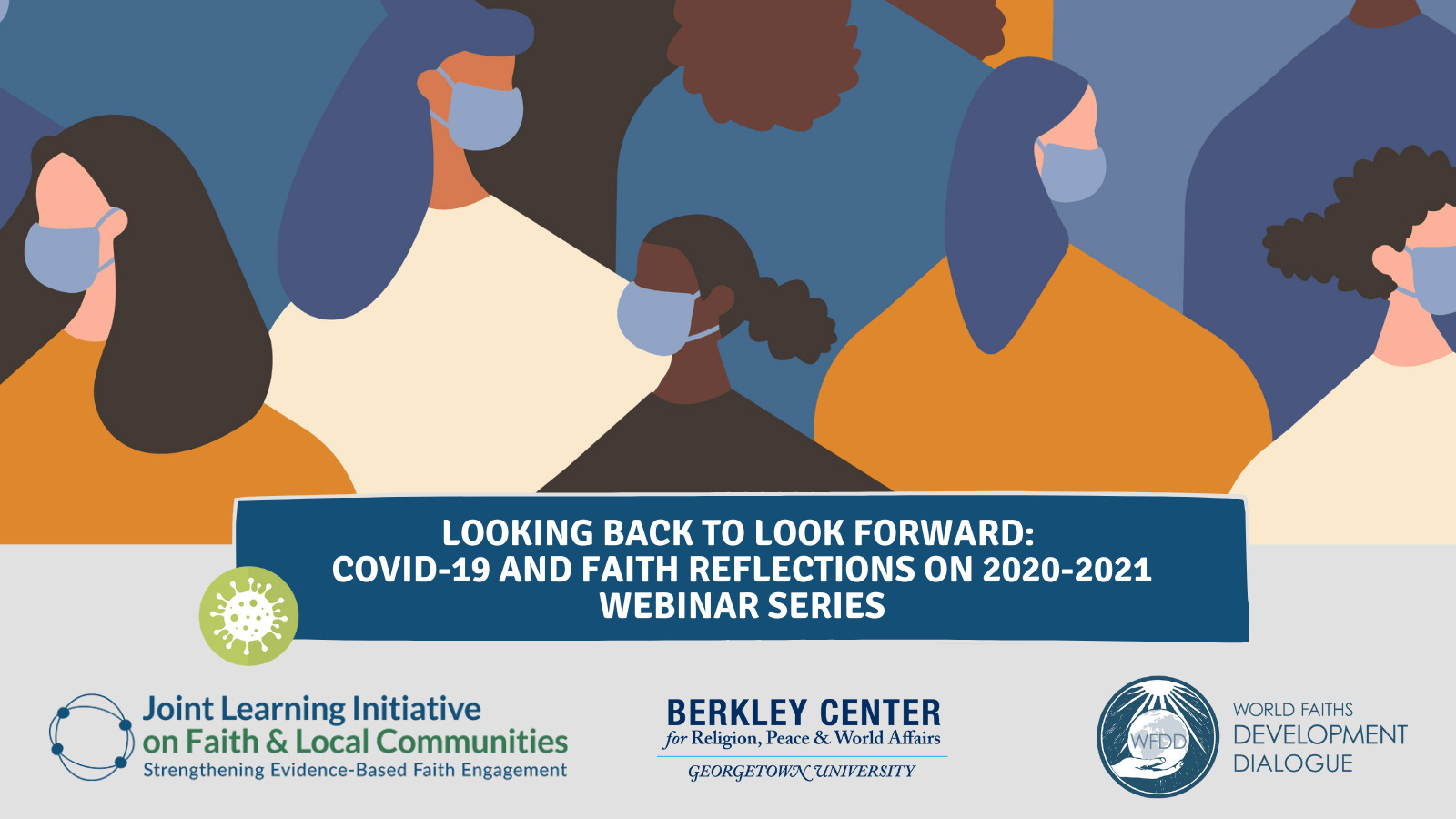
Looking back to look forward: COVID-19 and Faith Reflections on 2020-2021 Webinar Series
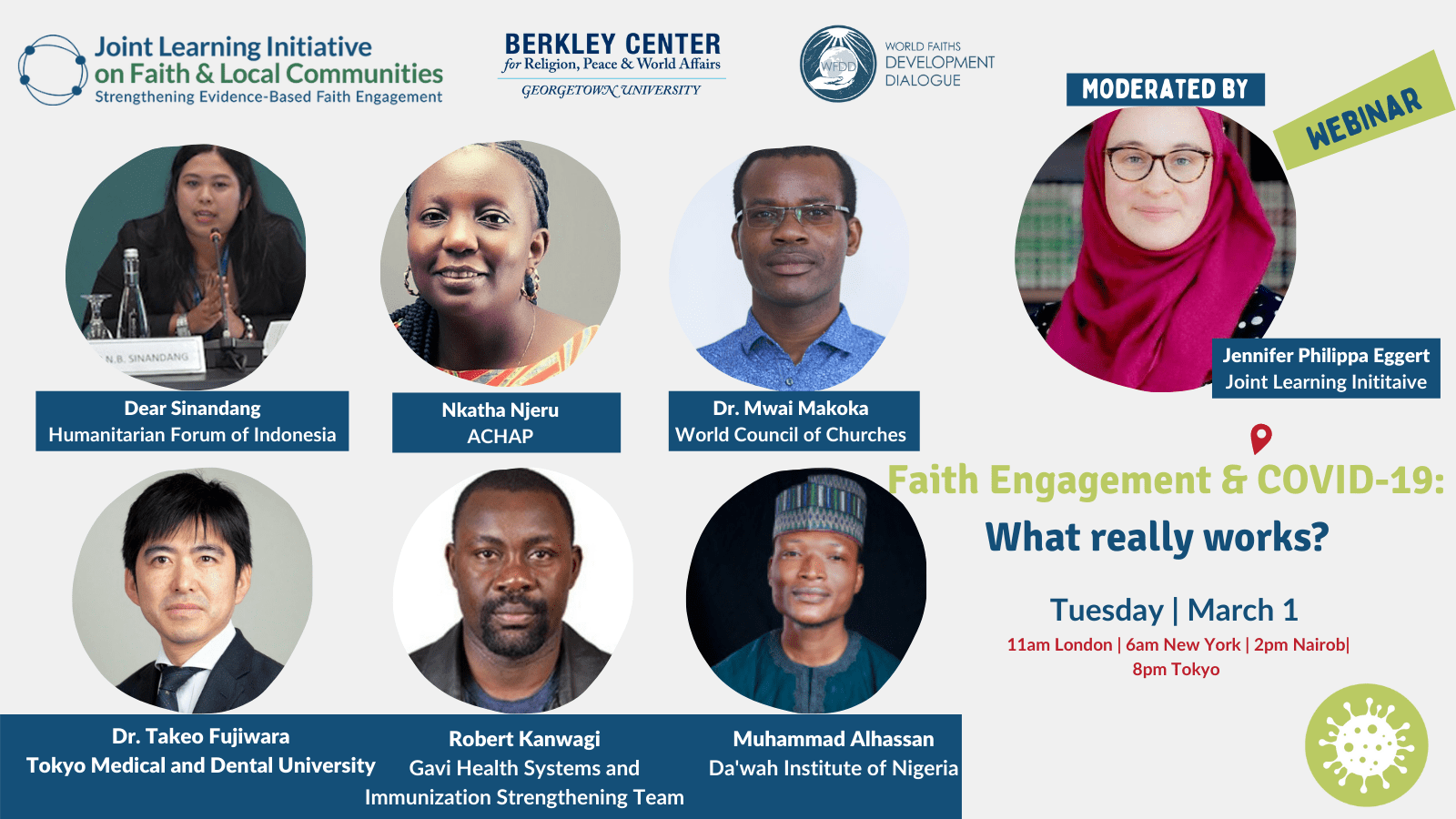
JLI’s year-long collaborative learning process culminated on Tuesday, March 1, 2022, with a webinar that brought representatives of the faith actors who had participated in the research into dialogue with key external partners, discussing where they have seen growth and where problems remain with faith engagement.
Three representatives of the collaborating faith actors began by sharing what they felt was the most important message from the report. Nkatha Njeru, from African Christian Health Associations Platform, began by highlighting the importance of building relationships with local faith actors before a crisis so there is already a foundational mutual understanding in an emergency. Dear Sinandang, from Humanitarian Forum Indonesia, encouraged everyone to be more courageous in forming more diverse partnerships. She spoke about the complementary role that faith actors can play to government responses and the value of diverse, interfaith partnerships. Dr Mwai Makoka, from World Council of Churches, echoed this point, using the image of each actor having their own ‘toolbox’ – unique capabilities, approaches and assets to respond to global challenges – to emphasise the need for actors to value one another’s differences and contribution when building trusted partnerships. In his experience, problems come when stakeholders only want to work with others who share all their values and ways of working – for example, donor agencies being suspicious of faith groups’ methodologies, or faith groups distrusting government. Yet in the diversity of methodologies, principles, and convictions, holistic solutions can be found when each actor proactively seeks and harnesses areas of convergence.
Three representatives of key external partners, nominated by participants, then commented on the research findings from their experience. Robert Kanwagi, currently working with GAVI, spoke about the significant harmonisation during COVID in this area, as governments and secular development agencies saw the vital role of faith actors with increasing clarity. He also confirmed from his experience that faith actors were still often engaged in times of crisis, not seen as long-term strategic partners, for example on climate change. He saw a united interfaith voice about the unique value that faith brings to the table as a vital step to ensuring their inclusion in global partnerships on every issue. Dr Takeo Fujiwara, a Professor at Tokyo Medical and Dental University, affirmed the value of faith actors’ contribution, especially in bringing unity, cultivating empathy and tackling misinformation. Finally, Muhammad Alhassan from the Da’wah Institute of Nigeria shared his experience. He had seen significant growth through COVID-19 in proactive local partnerships between faith actors and with secular agencies, with new collaborations and networks formed. He emphasised the influence of faith actors in many communities, and the danger where they are not equipped to differentiate misinformation, emphasising the necessity of capacity development. He too concluded with the need to sustain long-term, healthy relationships with local faith actors in times of peace that can be drawn on in a crisis.
Each panelist then reflected on one key learning they would take forward in their own organisation, from breaking silos and focusing on diverse, long-term partnerships to strengthening internal learning processes to developing the capacity of grassroots faith groups to respond themselves and connect to their communities.
On April 21, 2022, JLI held a webinar where Dr. Karsten Lehmann, University College of Teacher Education of Christian Churches Vienna/Krems, presented on ‘Construction of the Concept of Religion in the United Nations’ General Assembly: From Human Rights to Dialogue and Harmony‘. Dr. Jeffrey Haynes, London Metropolitan University,responded followed by a Question and Answer session.
On April 21, 2022, JLI held a webinar where Dr. Karsten Lehmann, University College of Teacher Education of Christian Churches Vienna/Krems, presented on ‘Construction of the Concept of Religion in the United Nations’ General Assembly: From Human Rights to Dialogue and Harmony‘. Dr. Jeffrey Haynes, London Metropolitan University,responded followed by a Question and Answer session.
Looking Back to Look Forward: COVID-19 and Faith Reflections on 2020-2021 webinar series
Faith Engagement & COVID-19: What Really Works?
The first webinar of this series brought representatives of the faith actors who had participated in the research into dialogue with key external partners, discussing where they have seen growth and where problems remain with faith engagement.
Faith and the COVID-19 Pandemic at Two Years – A Retrospective Webinar:
This second webinar takes stock of the Religious Responses to COVID-19 project, which has involved continuous monitoring of media, research analysis and commentary, and regular publications and webinars to distill this information. This event launched a website platform for the project’s resource repository, which includes over 1,000 resources to date on how different faith actors have responded to the COVID-19 pandemic and broader emergencies. We also reflected on what an analysis of the resources collected so far can tell us about the major global themes in religious responses to COVID-19 and what research is needed next.
Two-year updates from National and Regional Faith Actor COVID-19 Responses:
This third webinar catches up with faith actors we previously spoke to during webinars in 2020 and asks how the pandemic has evolved in their context since then. We heard insights from Sri Lanka, Liberia, Senegal and the Latin America region to contextualize the similarities and differences of religious responses to COVID-19 around the world.
Listening to the Stories of Local Faith Actors on COVID-19 Response
This fourth webinar was also part of the Fair & Equitable Dialogues Series that highlights research, evidence and practices from a diverse array of actors around the world to address the complex themes surrounding unequal power dynamics, decolonization and localization in international humanitarian, peacebuilding, and development work.
A panel of local faith actors, academics, and activists came together to discuss their own experiences, challenges, and lessons learnt from faith-engagement during the pandemic. Panelists drew on a diverse range of contexts including Sri Lanka, the Philippines,Egypt, and Zimbabwe, among others, to discuss challenges and successes around issues of mental health, misinformation, gender, and peacebuilding during the pandemic. The webinar concluded with each of the panelists sharing lessons learnt for the future.
Looking back to look forward: COVID-19 and Faith Reflections on 2020-2021 Webinar Series
The Berkley Center, the Joint Learning Initiative on Faith and Local Communities (JLI), and the World Faiths Development Dialogue hosted the third webinar of the series: ‘Two-Year updates from National and Regional Faith Actor COVID-19 Responses’ on April 1, 2022.
Following the 11 March webinar reflecting on global themes at the two-year mark of the COVID-19 pandemic, this session now catches up with faith actors we previously spoke to during webinars in 2020 and asks how the pandemic has evolved in their context since then. We will hear insights from Sri Lanka, Liberia, Senegal and the Latin America region to contextualize the similarities and differences of religious responses to COVID-19 around the world.
Moderators:
OliviaWilkinson – Joint Learning Initiative on Faith and Local Communities
Dr. Olivia Wilkinson is the director of research at the Joint Learning Initiative on Faith and Local Communities. Her research focuses on secular and religious influences in humanitarian action, and she is the author of Secular and Religious Dynamics in Humanitarian Response (2020).
Katherine Marshall – World Faiths Development Dialogue & Berkley Center for Religion, Peace, and World Affairs
Katherine Marshall is a senior fellow at the Berkley Center for Religion, Peace, and World Affairs, where she leads the center’s work on religion and global development, and a professor of the practice of development, conflict, and religion in the Walsh School of Foreign Service. She helped to create and now serves as the executive director of the World Faiths Development Dialogue. She is also vice president of the G20 Interfaith Association. Marshall, who worked at the World Bank from 1971 to 2006, has nearly five decades of experience on a wide range of development issues in Africa, Latin America, East Asia, and the Middle East, particularly those facing the world’s poorest countries. She led the World Bank’s faith and ethics initiative between 2000 and 2006.
Speakers:
Sheikh Saliou Mbacke – President, Cadre des Religieux pour la Santé et le Développement (CRSD), Senegal
Sheikh Saliou Mbacke is the president of Cadre des Religieux pour la Santé et le Développement (CRSD), an interfaith group of Senegalese religious leaders working to promote the health and development of their country, and he also works as an international consultant. He is an advisor to the World Faiths Development Dialogue for a family health project in Senegal. Previously, he served as the continental coordinator for Inter-faith Action for Peace in Africa. He is a spiritual leader of the Mouride family, a core institution of Senegalese Sufi Islam, and has lived within the tradition since birth. He is a member of the International Selection Committee for the Niwano Peace Prize and has collaborated with the United Nations on religious defamation and climate change. He was educated in Touba in the Islamic Qur’anic tradition, then at the University of Tunis and University of Salamanca.
Sister Barbara Brillant – F.M.M., Dean, Mother Patern College of Health Sciences and national health coordinator for the National Catholic Health Council, Liberia
Sister Barbara Brillant, F.M.M., is the dean of Mother Patern College of Health Sciences in Monrovia, Liberia and national health coordinator for the National Catholic Health Council. An American citizen, she has lived in Liberia for almost 40 years. Brillant is a missionary with the Franciscan Missionaries of Mary who originally trained as a nurse and midwife and has a master’s degree in public health from Boston University.
Vinya Ariyaratne – M.D., President, Sarvodaya Shramadana Sangamaya, Sri Lanka
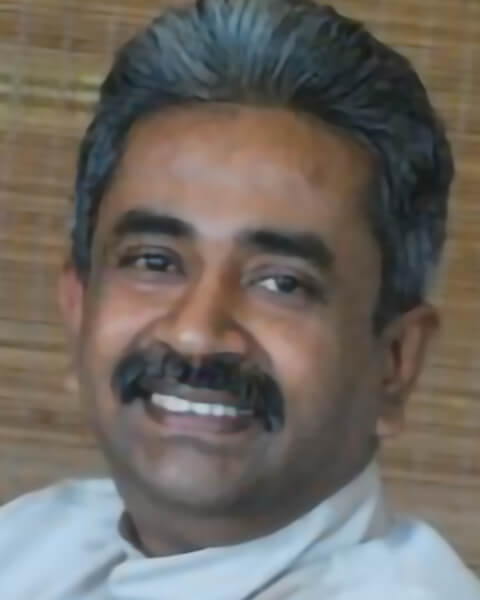
Vinya Ariyaratne, M.D., is president of the Sri Lankan Sarvodaya Shramadana Sangamaya, an NGO founded by his father in 1958 and inspired by Buddhist principles. He was also founding chairman of Deshodaya Development Finance Company (DDCC), Sarvodaya’s microfinance arm. Ariyaratne has been a lecturer at the Liverpool School of Tropical Medicine, the Faculty of Medical Sciences of the University of Sri Jayewardenepura, and Brandeis University. He is currently involved in conflict resolution and peacebuilding, acting as lead facilitator for the One Text Initiative and as a member of the Council of the Arigatou Foundation’s Global Network for Children. He holds a doctorate in medicine from De La Salle University in the Philippines, a doctorate in community medicine from the Postgraduate Institute of Medicine of the University of Colombo, and a master’s degree in public health from Johns Hopkins University.
Mr Elias Szczytnicki – Secretary General & Regional Director – Religions for Peace, Latin America and the Caribbean
Elías Szczytnicki serves as the secretary general of the Latin American and Caribbean Council of Religious Leaders (LACCRL) and the director of the Latin American and Caribbean Regional Office of Religions for Peace. As LACCRL Secretary General, Mr. Szczytnicki organizes high level meetings of religious leaders with important international personalities, including Pope Francis. He also represents the LACCRL in various meetings of the United Nations and their agencies.
Somboon Chungprampree – Executive Secretary of International Network of Engaged Buddhists (INEB), Thailand
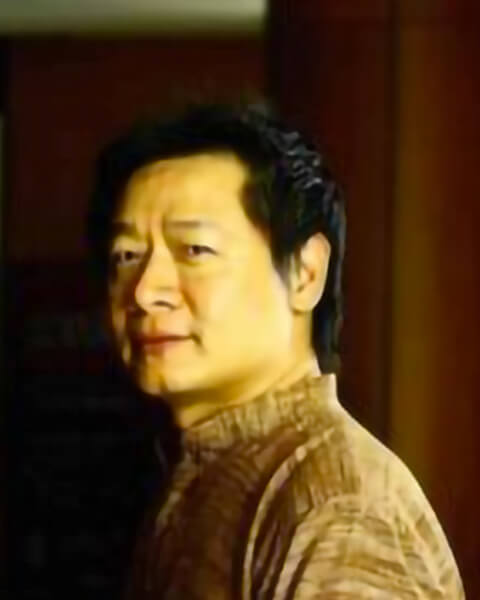
Somboon Chungprampree (Khun Moo) is a Thai social activist working for peace and justice in Asia. He became involved in Thai student movements, especially those focused on environmental justice, while he was at university. Since 1997, he has held different positions with key Thai and Asia regional and international civil society organizations. They include Sathirakoses-Nagapradipa Foundation (SNF), a Thai NGO established in 1968, Spirit in Education Movement (SEM), focusing on empowering civil society in Burma, Laos PDR, Cambodia, and Thailand, School for Well-being Studies and Research, and Wongsanit Ashram. He has served as Executive Secretary of the International Network of Engaged Buddhists (INEB) since 2010. He is the editor of the Seeds of Peace journal issued three times a year. As a civic leader he serves on the boards of several international and national foundations.
On March 31, 2022, JLI started a new series on creative faith-sensitive MEAL and research methods. In this first session of the year, a guest speaker from the University of Edinburgh, Dr. Ann Zuntz, spoke about her work in the MENA region and participatory ethnographic methods during the Covid-19 pandemic, including the use of WhatsApp, a graphic novel, and musical workshops.
Join the Monitoring, Evaluation, Accountability and Learning Working Group (MEAL WG). Every other month, the group will host a learning exchange on MEAL and local faith actors. Learn more about the group and register here.
Looking Back to Look Forward: COVID-19 and Faith Reflections on 2020-2021 webinar series
Faith Engagement & COVID-19: What Really Works?
The first webinar of this series brought representatives of the faith actors who had participated in the research into dialogue with key external partners, discussing where they have seen growth and where problems remain with faith engagement.
Faith and the COVID-19 Pandemic at Two Years – A Retrospective Webinar:
This second webinar takes stock of the Religious Responses to COVID-19 project, which has involved continuous monitoring of media, research analysis and commentary, and regular publications and webinars to distill this information. This event launched a website platform for the project’s resource repository, which includes over 1,000 resources to date on how different faith actors have responded to the COVID-19 pandemic and broader emergencies. We also reflected on what an analysis of the resources collected so far can tell us about the major global themes in religious responses to COVID-19 and what research is needed next.
Two-year updates from National and Regional Faith Actor CVID-19 Responses:
This third webinar catches up with faith actors we previously spoke to during webinars in 2020 and asks how the pandemic has evolved in their context since then. We heard insights from Sri Lanka, Liberia, Senegal and the Latin America region to contextualize the similarities and differences of religious responses to COVID-19 around the world.
Listening to the Stories of Local Faith Actors on COVID-19 Response
This fourth webinar was also part of the Fair & Equitable Dialogues Series that highlights research, evidence and practices from a diverse array of actors around the world to address the complex themes surrounding unequal power dynamics, decolonization and localization in international humanitarian, peacebuilding, and development work.
A panel of local faith actors, academics, and activists came together to discuss their own experiences, challenges, and lessons learnt from faith-engagement during the pandemic. Panelists drew on a diverse range of contexts including Sri Lanka, the Philippines,Egypt, and Zimbabwe, among others, to discuss challenges and successes around issues of mental health, misinformation, gender, and peacebuilding during the pandemic. The webinar concluded with each of the panelists sharing lessons learnt for the future.
Looking back to look forward: COVID-19 and Faith Reflections on 2020-2021 Webinar Series
The Berkley Center, the Joint Learning Initiative on Faith and Local Communities (JLI), and the World Faiths Development Dialogue hosted the third webinar of the series: ‘Two-Year updates from National and Regional Faith Actor COVID-19 Responses’ on April 1, 2022.
Following the 11 March webinar reflecting on global themes at the two-year mark of the COVID-19 pandemic, this session now catches up with faith actors we previously spoke to during webinars in 2020 and asks how the pandemic has evolved in their context since then. We will hear insights from Sri Lanka, Liberia, Senegal and the Latin America region to contextualize the similarities and differences of religious responses to COVID-19 around the world.
Moderators:
Olivia Wilkinson – Joint Learning Initiative on Faith and Local Communities
Dr. Olivia Wilkinson is the director of research at the Joint Learning Initiative on Faith and Local Communities. Her research focuses on secular and religious influences in humanitarian action, and she is the author of Secular and Religious Dynamics in Humanitarian Response (2020).
Katherine Marshall – World Faiths Development Dialogue & Berkley Center for Religion, Peace, and World Affairs
Katherine Marshall is a senior fellow at the Berkley Center for Religion, Peace, and World Affairs, where she leads the center’s work on religion and global development, and a professor of the practice of development, conflict, and religion in the Walsh School of Foreign Service. She helped to create and now serves as the executive director of the World Faiths Development Dialogue. She is also vice president of the G20 Interfaith Association. Marshall, who worked at the World Bank from 1971 to 2006, has nearly five decades of experience on a wide range of development issues in Africa, Latin America, East Asia, and the Middle East, particularly those facing the world’s poorest countries. She led the World Bank’s faith and ethics initiative between 2000 and 2006.
Speakers:
Sheikh Saliou Mbacke – President, Cadre des Religieux pour la Santé et le Développement (CRSD), Senegal
Sheikh Saliou Mbacke is the president of Cadre des Religieux pour la Santé et le Développement (CRSD), an interfaith group of Senegalese religious leaders working to promote the health and development of their country, and he also works as an international consultant. He is an advisor to the World Faiths Development Dialogue for a family health project in Senegal. Previously, he served as the continental coordinator for Inter-faith Action for Peace in Africa. He is a spiritual leader of the Mouride family, a core institution of Senegalese Sufi Islam, and has lived within the tradition since birth. He is a member of the International Selection Committee for the Niwano Peace Prize and has collaborated with the United Nations on religious defamation and climate change. He was educated in Touba in the Islamic Qur’anic tradition, then at the University of Tunis and University of Salamanca.
Sister Barbara Brillant – F.M.M., Dean, Mother Patern College of Health Sciences and national health coordinator for the National Catholic Health Council, Liberia
Sister Barbara Brillant, F.M.M., is the dean of Mother Patern College of Health Sciences in Monrovia, Liberia and national health coordinator for the National Catholic Health Council. An American citizen, she has lived in Liberia for almost 40 years. Brillant is a missionary with the Franciscan Missionaries of Mary who originally trained as a nurse and midwife and has a master’s degree in public health from Boston University.
Vinya Ariyaratne – M.D., President, Sarvodaya Shramadana Sangamaya, Sri Lanka
Vinya Ariyaratne, M.D., is president of the Sri Lankan Sarvodaya Shramadana Sangamaya, an NGO founded by his father in 1958 and inspired by Buddhist principles. He was also founding chairman of Deshodaya Development Finance Company (DDCC), Sarvodaya’s microfinance arm. Ariyaratne has been a lecturer at the Liverpool School of Tropical Medicine, the Faculty of Medical Sciences of the University of Sri Jayewardenepura, and Brandeis University. He is currently involved in conflict resolution and peacebuilding, acting as lead facilitator for the One Text Initiative and as a member of the Council of the Arigatou Foundation’s Global Network for Children. He holds a doctorate in medicine from De La Salle University in the Philippines, a doctorate in community medicine from the Postgraduate Institute of Medicine of the University of Colombo, and a master’s degree in public health from Johns Hopkins University.
Mr Elias Szczytnicki – Secretary General & Regional Director – Religions for Peace, Latin America and the Caribbean
Elías Szczytnicki serves as the secretary general of the Latin American and Caribbean Council of Religious Leaders (LACCRL) and the director of the Latin American and Caribbean Regional Office of Religions for Peace. As LACCRL Secretary General, Mr. Szczytnicki organizes high level meetings of religious leaders with important international personalities, including Pope Francis. He also represents the LACCRL in various meetings of the United Nations and their agencies.
Somboon Chungprampree – Executive Secretary of International Network of Engaged Buddhists (INEB), Thailand
Somboon Chungprampree (Khun Moo) is a Thai social activist working for peace and justice in Asia. He became involved in Thai student movements, especially those focused on environmental justice, while he was at university. Since 1997, he has held different positions with key Thai and Asia regional and international civil society organizations. They include Sathirakoses-Nagapradipa Foundation (SNF), a Thai NGO established in 1968, Spirit in Education Movement (SEM), focusing on empowering civil society in Burma, Laos PDR, Cambodia, and Thailand, School for Well-being Studies and Research, and Wongsanit Ashram. He has served as Executive Secretary of the International Network of Engaged Buddhists (INEB) since 2010. He is the editor of the Seeds of Peace journal issued three times a year. As a civic leader he serves on the boards of several international and national foundations.
On March 31, 2022, JLI started a new series on creative faith-sensitive MEAL and research methods. In this first session of the year, a guest speaker from the University of Edinburgh, Dr. Ann Zuntz, spoke about her work in the MENA region and participatory ethnographic methods during the Covid-19 pandemic, including the use of WhatsApp, a graphic novel, and musical workshops.
Join the Monitoring, Evaluation, Accountability and Learning Working Group (MEAL WG). Every other month, the group will host a learning exchange on MEAL and local faith actors. Learn more about the group and register here.


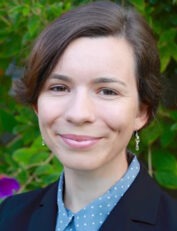 Olivia Wilkinson – Joint Learning Initiative on Faith and Local Communities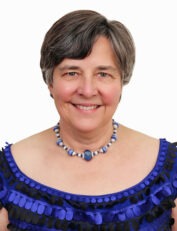
 Sheikh Saliou Mbacke – President, Cadre des Religieux pour la Santé et le Développement (CRSD), Senegal
 Vinya Ariyaratne – M.D., President, Sarvodaya Shramadana Sangamaya, Sri Lanka
 Somboon Chungprampree – Executive Secretary of International Network of Engaged Buddhists (INEB), Thailand