Organizations listed here include academic institutions, community health and development organizations, and health and development policy groups who are not yet members of JLI F&LC but have a wealth of experience and wisdom when it comes to faith groups’ activities and contributions to local community health and well-being.
Please refer to them and share these important resources with your networks.

ACT Alliance

The ACT Alliance is the world’s largest network of protestant and orthodox churches and agencies working on humanitarian, sustainable development and advocacy issues. ACT Alliance is a coalition of 145 churches and church-related organisations working together in over 125 countries to create positive and sustainable change in the lives of poor and marginalised people regardless of their religion, politics, gender, sexual orientation, race or nationality in keeping with the highest international codes and standards. 73% of its member organisations are based in the global south.

ACT Alliance is deeply rooted in the communities it serves. Earning the trust and respect of local people long before large international interventions scale up, and remains steadfast in its grassroots commitments for many years after world attention has shifted elsewhere

Faith Affiliation: Christian

ACT’s core beliefs and values of all ACT members are grounded in its Christian faith and guide its humanitarian, development and advocacy work. These values include:

  • All people are created in the image of God;
  • God, as known through Jesus Christ, is the God of love who stands beside the poor and oppressed;
  • The Church is called to manifest God’s love for all people;
  • The earth and all it contains are God’s gifts, to be protected and restored; and
  • The resources available to us are a gift from God, and we must steward them wiselyFrom these values come ACT’s working methodologies including:
  • respecting the rights and dignity of every woman, man, boy and girl;
  • responding to human suffering based on need rather than race, gender, belief, nationality, ethnicity, or political persuasion; • working with communities to determine priorities, approaches and mechanisms for response;
  • standing alongside those suffering from oppression;
  • building relationships to strengthen effectiveness and avoid duplication through its members’ cooperation

Mission:

As churches and church-related organisations, ACT Alliance works together for positive and sustainable change in the lives of people affected by poverty and injustice through coordinated and effective humanitarian, development and advocacy work.

Vision: United in common task of all Christians to manifest God’s unconditional love for all people, the ACT Alliance works towards a world community where all God’s creation lives with dignity, justice, peace and full respect for human rights and the environment.

Humanitarian Standards: Adheres to the SPHERE guidelines as well as people and system-centered advocacy

Key SDGs addressed: ACT Alliance and its members are committed to the 2030 Agenda for Sustainable Development and the SDGs. ACT programs contribute to:

  • SDG 1 – No Poverty
  • SDG 2 – Zero Hunger
  • SDG 4 – Education
  • SDG 5 – Gender Equality
  • SDG 8 – Decent Work
  • SDG 10 – Reduced Inequalities
  • SDG 11 – Sustainable Cities and Communities
  • SDG 13 – Climate Action
  • SDG 16 – Peace, Justice and Strong Institutions
  •  SDG 17 – Global Partnerships

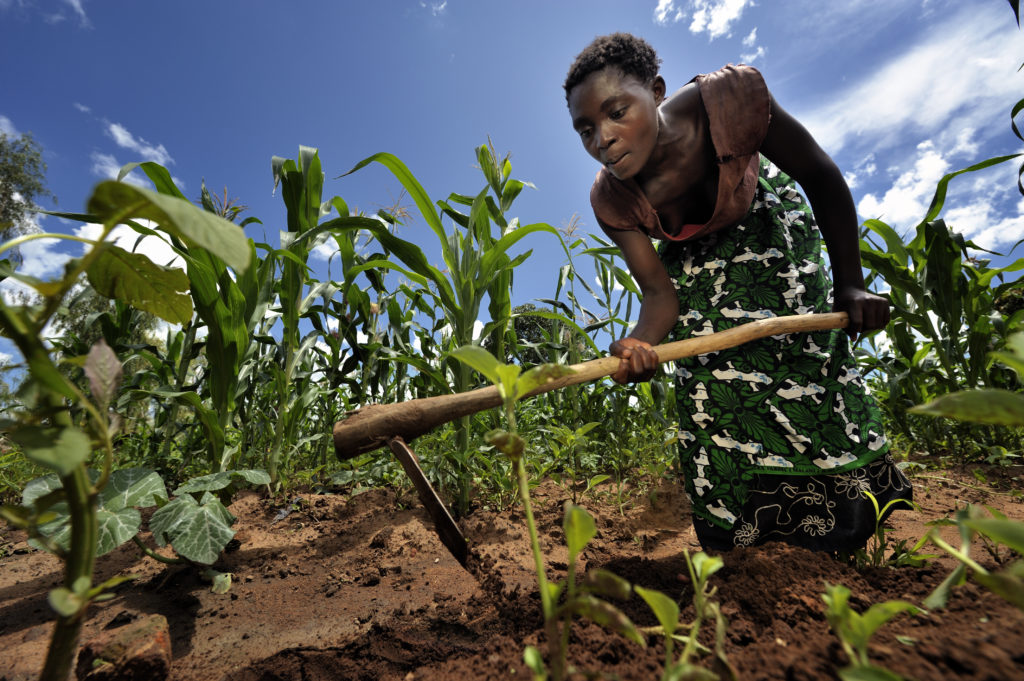
Irene Botha farms corn in Chigumba, a village in northern Malawi which has been hit hard by drought and hunger. The ACT Alliance is helping residents of this community discover new ways to grow more food. Thus achieving food security for their families.
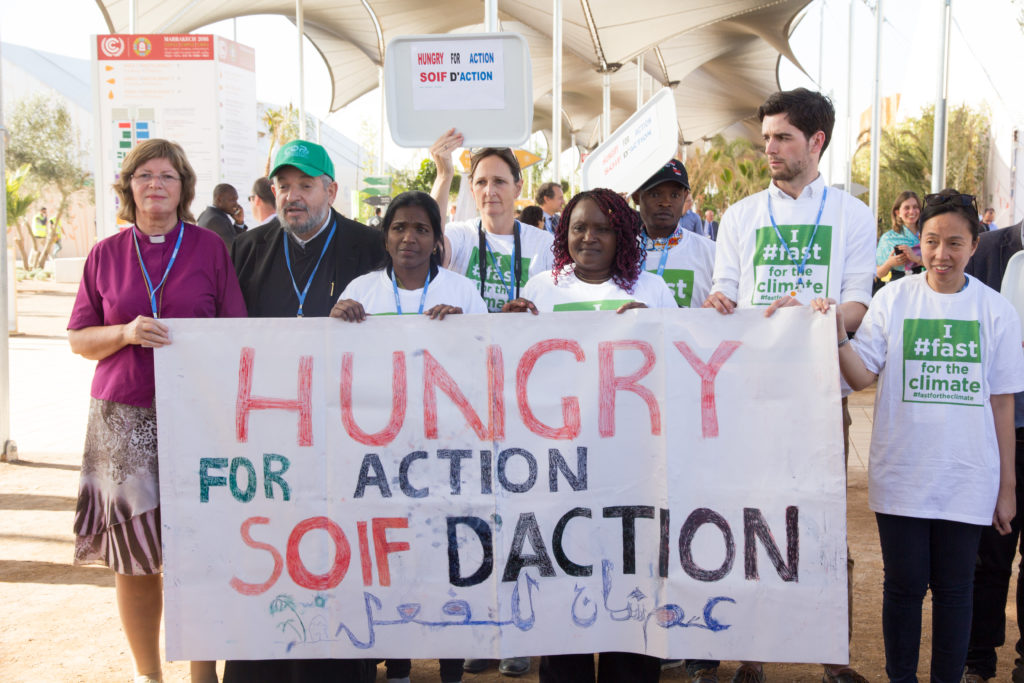
 

Photo credit: Valter Muniz/ACT
Church leaders and activists gathered at COP22 in Marrakech, Morocco, declaring that they were “Hungry for Action” on climate change as part of the ACT’s ACT Now for Climate Justice campaign.

View website

ACT Church of Sweden

Act Church of Sweden works with church cooperation, development cooperation, humanitarian relief efforts and advocacy.

View website

ADRA International

The Adventist Development and Relief Agency International (ADRA) reached more than 100 million people in 130 countries globally in the last five years alone through sustainable development and disaster relief programs.
Every day, ADRA works with people in poverty and distress to create opportunities that help them not only prosper, but thrive. This includes providing better access to education and health, as well as sustainable livelihoods. ADRA mobilizes the generosity of others in time, abilities, and resources to empower those who need it most.
Faith Affiliation: Christian
ADRA is the global humanitarian organization of the Seventh-day Adventist Church. They demonstrate God’s love and compassion through hands-on service.

Mission: ADRA works with people in poverty and distress to create just and positive change through empowering partnerships and responsible action

Vision: ADRA is a professional, learning and efficient network that embodies integrity and transparency. ADRA reaches across boundaries empowering and speaking out for the at-risk and forgotten to achieve measurable, documented and durable changes in lives and society.


What inspires ADRA’s work?  As needs arise, ADRA staff strive to realize ADRA’s mission, reflecting God’s love through compassionate acts of humanitarian service. Every day they seek to feed the hungry, give water to the thirsty, and take in the stranger.

As Jonathan Duffy, ADRA International’s CEO states “As we continue our work, we know that the greatest guide is our faith. Luke 4:18-19 comes to mind.“Reading from the scroll of Isaiah, Jesus said, ‘ The Spirit of the Lord is on me, because he has anointed me to proclaim good news to the poor. He has sent me to proclaim freedom for the prisoners and recovery of sight for the blind, to set the oppressed free, to proclaim the year of the Lord’s favor’” (NIV). “

Key Facts: 

ADRA has around 6,600 staff members, about 15,800 volunteers in 139 different countries.

Also, each year the organization helps more than 18 million beneficiaries no matter faith affiliation.

Key SDGs addressed: 

ADRA’s offices around the world promote the SDGs and implement projects to help reach the Global Goals by 2030. ADRA focuses on eight SDGs: zero hunger, good health and well-being, quality education, gender equality, clean water and sanitation, decent work and economic growth, peace, justice and strong institutions, and partnerships for the SDGs.

Humanitarian Standards:

The worldwide ADRA network adheres to the SPHERE standards and is a member organization of Accountable Now.


Key Programs:

ADRA Uganda emergency staff member helping refugees from South Sudan after an outbreak of violence


ADRA Yemen providing women and thousands of others access to clean water in the midst of turmoil


View website

American Jewish World Service

Faith Affiliation: Inspired by Jewish principles

Through philanthropy and advocacy, has addressed some of the gravest problems of our time-genocide, AIDS, violence against women and girls, hatred of LGBT people, and the horrific consequences of natural and human-made disasters. Headquartered in New York City, it is a nonprofit, international development and human rights organization which supports community-based organizations in the developing world and works to educate the American Jewish community about global justice.

Key Facts: American Jewish World Service (AJWS) works in 19 countries.


View website

Anglican Alliance

Faith Affiliation: Christianity

The Anglican Alliance brings together Anglican churches and agencies to work for a world free of poverty and injustice, to be a voice for the voiceless, to reconcile those in conflict, and to safeguard the earth.

For example, Summary example: In 2016 and in early 2017, the Anglican Alliance has been contacted by a number of dioceses and provinces whose people are facing severe food shortages – in Africa and other parts of the Communion. The family of churches and agencies around the Communion are coming together to assist where the situation is critical but also to see how local churches can support agricultural adaptation to climate change and measures to prepare for periods of food insecurity through better storage, etc.

Key Facts: The Anglican Alliance has around 38 member churches in the Anglican community. They aid about 44 different countries with the help several employees and volunteers within the organization.

View website

Anglican Communion

The Anglican Communion is a family of churches in more than 165 countries

View website

Arigatou International

Arigatou International is a faith-based NGO dedicated to securing the well-being and rights of children and advancing the culture of peace through inter-religious dialogue and cooperative action. It provides a values-based platform for implementation of the United Nations Convention on the Rights of the Child (CRC) by mobilizing faith-based initiatives for children in support of the United Nations commitment to child rights and Sustainable Development Goals.

Faith Affiliation: Interfaith

Mission: to maximize the potential of interfaith cooperation, and always strives to empower and involve children and youth

Key Facts: Arigatou International has about 91 different schools and institutions involved in their organization and aids 10 countries.

Major initiatives:

Resources


View website

Baha’i International Community

The Bahá’í International Community represents the worldwide Bahá’í community, whose members come from virtually every national, ethnic, religious, cultural, and socio-economic background. It offers insights from the Baha’i teachings, as well as Bahá’ís’ grassroots experiences in trying to put those principles into practice, in support of efforts to address global challenges.

The United Nations Office of the Bahá’í International Community collaborates with the UN and its specialized agencies, as well as with Member States, inter- and non-governmental organizations, academics, and practitioners to contribute to the collective shaping of attitudes needed to advance global prosperity and justice. Thematic areas in which it is currently engaged include the advancement of women, human rights, sustainable development, peace and security, and the role of religion in contemporary society.

View website

Brot für die Welt

Bread for the World takes steps to make sure that there is enough food for everyone. Because fighting hunger becomes increasingly important in times of climate change and ever scarcer resources.

View website