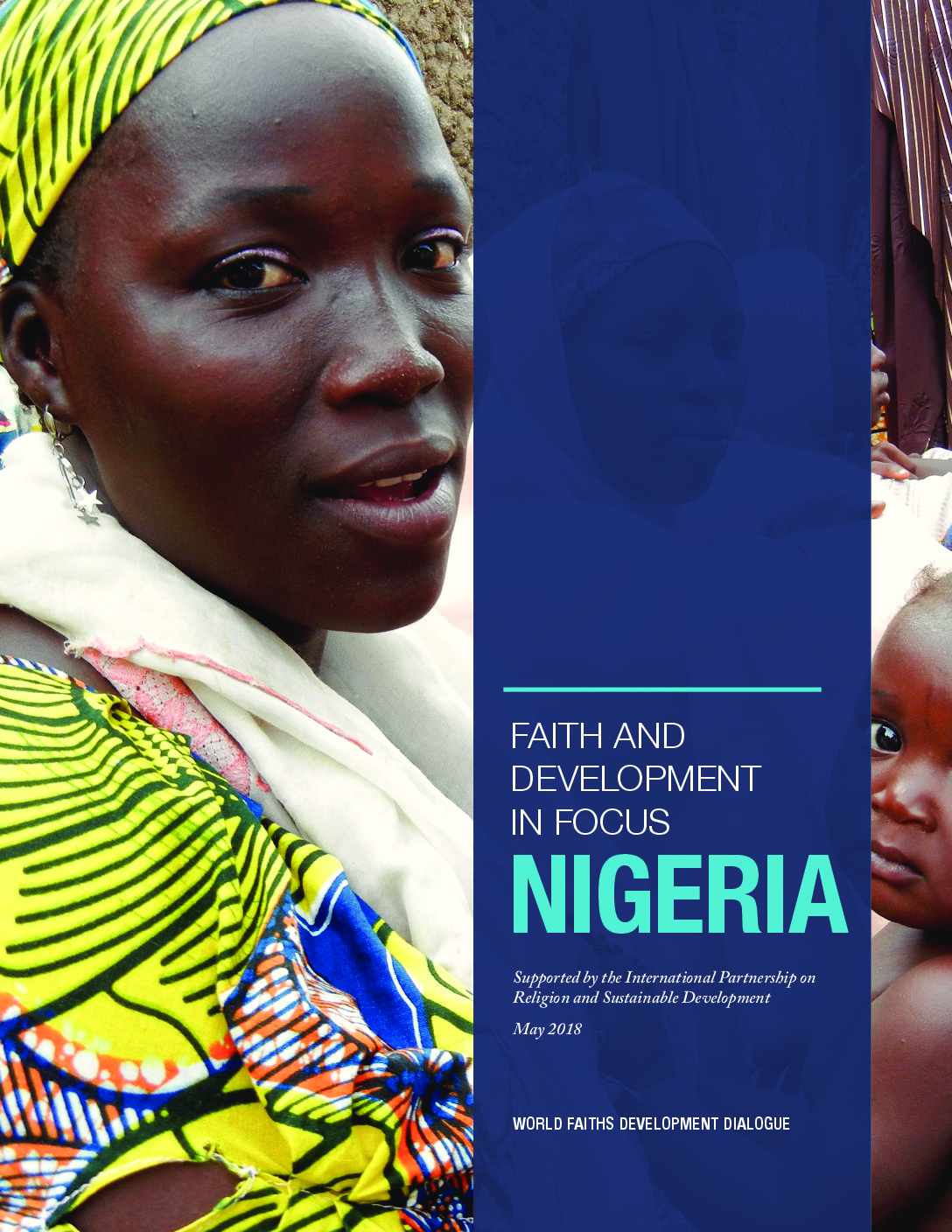
Nigeria’s vibrant and dynamic religious landscape plays many roles in the nation’s life and development. It is also a factor, albeit a complex one, in conflicts and violence that many see as linked to religious divides. Religious institutions have deep…
Published: 2018
Author:Georgetown University
Resilience—the ability to anticipate, withstand and bounce back from external pressures and shocks—is an increasingly important construct in shaping humanitarian strategy by the international community (DFID 2011; UNICEF 2011; USAID 2012). Local faith communities (LFCs)—groupings of religious actors bonded through…
Published: 2014
Author:Joey Ager
Religion is a powerful force in southern Africa, affecting all aspects of daily life and health (Anderson 2001, Chitando 2007a), particularly among rural women (Agadjanian 2005). Rural churches are a center for informal social interaction, shaping attitudes and behaviors of…
Published: 2012
Author:Denise D. Hallfors, Hyunsan Cho, Bonita J. Iritani, John Mapfumo, Elias Mpofu, Winnie K. Luseno and James January
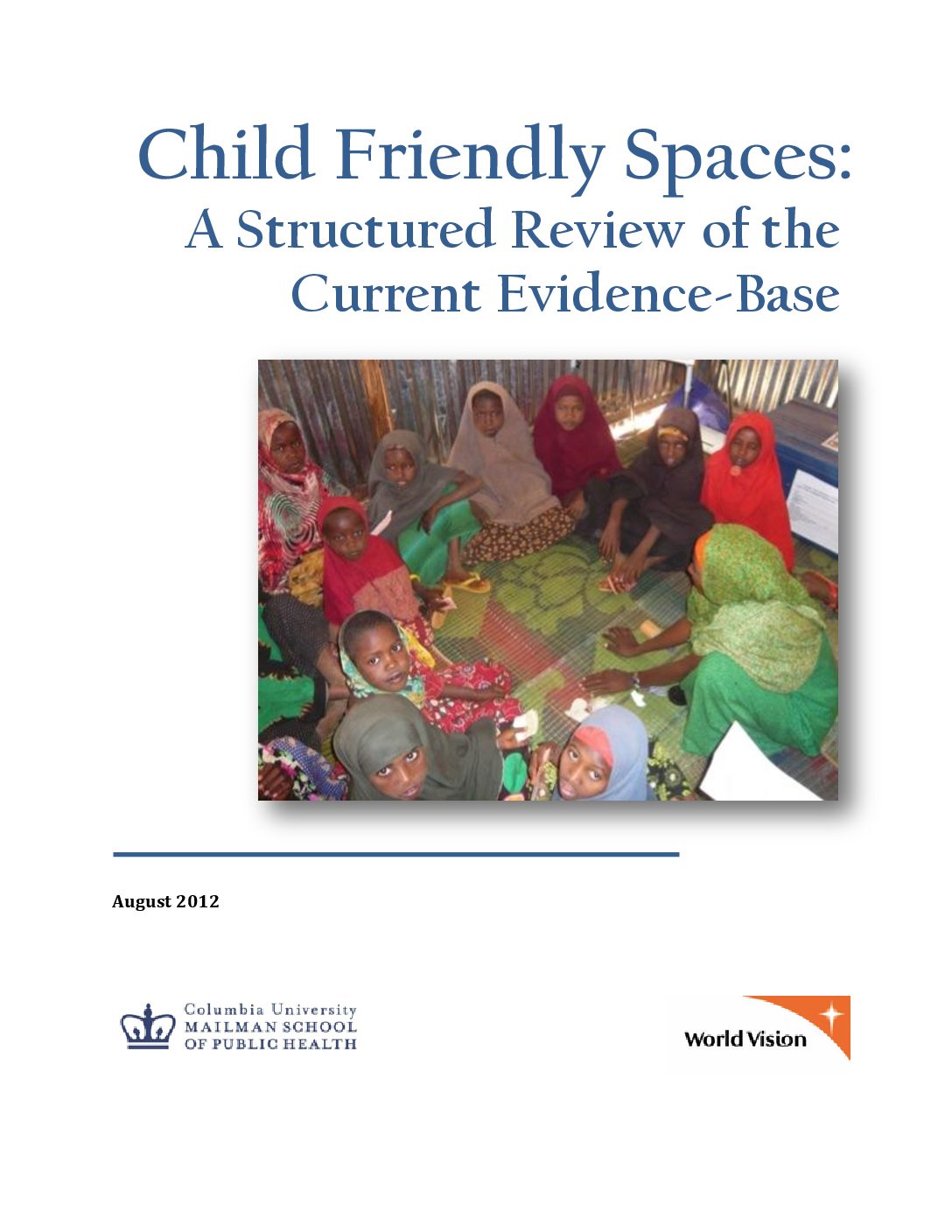
International standards, currently being developed, define a CFS program as one that “supports the resilience and well-being of children and young people who have experienced disasters through community organized, structured activities conducted in a safe, child friendly, and stimulating environment”…
Published: 2012
Author:Alastair Ager and Janna Metzler
Since the beginning of the current humanitarian crisis in Iraq, more than three million school-aged children and adolescents have experienced disruption to their education. Providing continuity of learning and protection for affected children demands that agencies such as World Vision…
Published: 2016
Author:Tanya Penny and Ridiona Stana
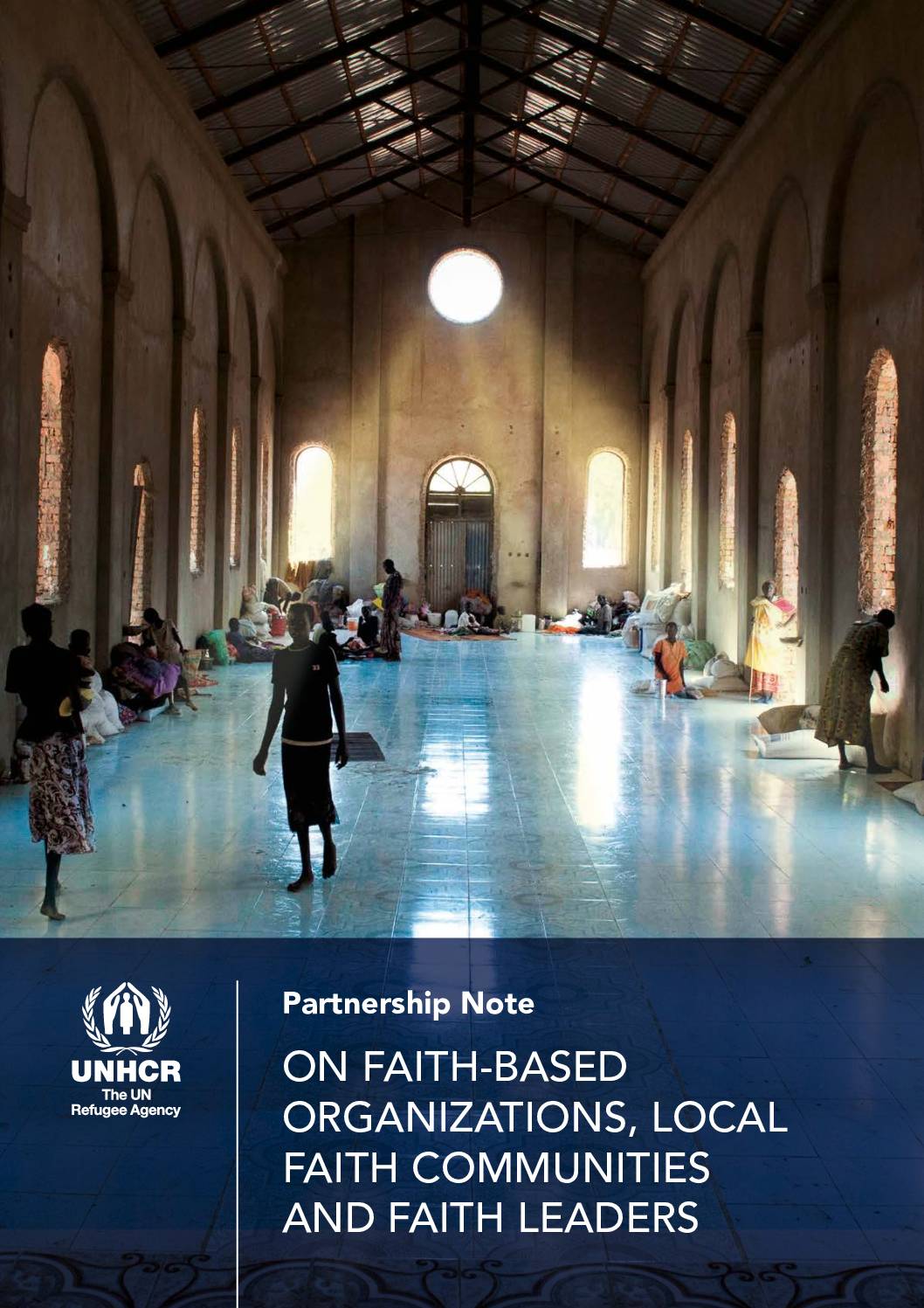
The Partnership Note sets out broad guidance for UNHCR staff to engage with, reach out to, and partner with faith actors in the context of forced displacement. It describes UNHCR’s understanding of the range of faith actors and the role they play in humanitarian responses. The Note also flags the challenges of partnership and highlights instances where we would not normally engage owing to humanitarian and human rights considerations. More importantly, it contains examples of good practice and lessons learned from existing partnerships in the field and highlights principles that are a point of departure for dialogue and cooperation with faith actors and communities, while setting out actions and activities to put these principles into practice. The Partnership Note may be used as point of departure for conversations on many issues between UNHCR and faith actors. It can also help guide you, as partners, to establish dialogue across faiths and with a range of humanitarian actors.
Published: 2014
Author:Turk, V.; Riera, J.; Poirier, M.
These Guidelines provide a critical framework for engagement with faith‐based organisations (FBOs). They are not a blue‐print. Like all similar guidelines, these are provided with the pragmatism that each UNFPA Country and Regional Office will consider them in light of the specific political, social, cultural and economic circumstances.
Published: 2009
Author:UNFPA
HOST: jliflc.com
REQUEST: /resources/
QUERY: page=78