Link: http://berkleycenter.georgetown.edu/programs/religion-and-global-development The Berkley Center's Religion and Global Development program, in close collaboration with the World Faiths Development Dialogue (WFDD), tracks the engagement of religious communities and faith-inspired organizations around global policy challenges and brings together stakeholders to examine best practices and…
Published: 2015
Link: http://www.huffingtonpost.com/katherine-marshall/
Published: 2015
Link: http://berkleycenter.georgetown.edu/cornerstone/the-effects-of-proselytism-and-development-in-pluralistic-societies/responses/nagging-tensions-around-development-and-proselytizing
Published: 2015
Published: 2015
Published: 2015
Published: 2015
Published: 2012
Published: 2009
Published: 2008
Published: 2015
Published: 2015
Published: 2015
Published: 2015
Published: 2015
Published: 2015
Author:Church Partnership Program
Published: 2015
Author:Mark Webster
Published: 2015
The contents of this report have been drawn from 40 interviews with senior development professionals held during February and March 2015. A small number of members of faith-based organisations
(FBOs) also took part. The exercise was commissioned by the Joint Learning Initiative on Faith and Local Communities (JLIF&LC) to understand the key opportunities and challenges that could be addressed through the forthcoming conference on public sector partnering with FBOs.
Published: 2015
Author:McKinsey & Co with JLI
CCIH webpage on HIV Includes resources on HIV and faith
Published: 2015
A recent UNFPA (2012) report presents data on child marriage, including the correlates of the practice and its consequences. The report comments on the general situation of child marriage and provides detailed country profiles on 10 countries where child marriage…
Published: 2015
Author:Azza Karam
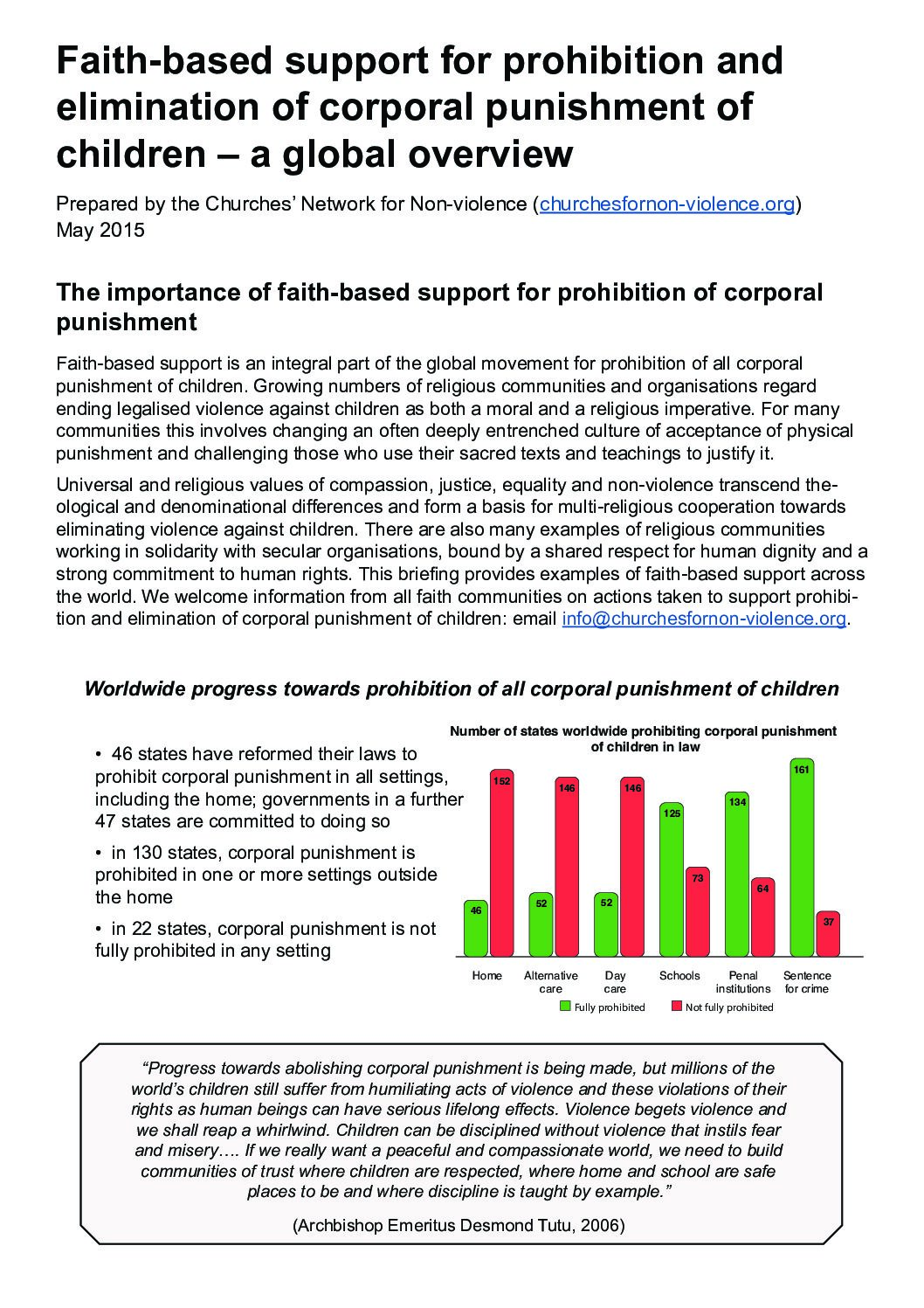
Faith-based support is an integral part of the global movement for prohibition of all corporal punishment of children. Growing numbers of religious communities and organisations regard ending legalized violence against children as both a moral and a religious imperative. For…
Published: 2015
Interpersonal violence – in all its forms – has a grave effect on children: Violence undermines children’s future potential; damages their physical, psychological and emotional well-being; and in many cases, ends their lives. The report sheds light on the prevalence…
Published: 2014
Melton, Gary B. PhD; Anderson, David PsyD In both popular and professional discourse, religious institutions are often perceived as sources of risk to children either as places where children are unusually vulnerable to abuse or as belief systems that sometimes…
Published: 2008
Author:Melton, Gary B. PhD; Anderson, David PsyD
Published: 2015
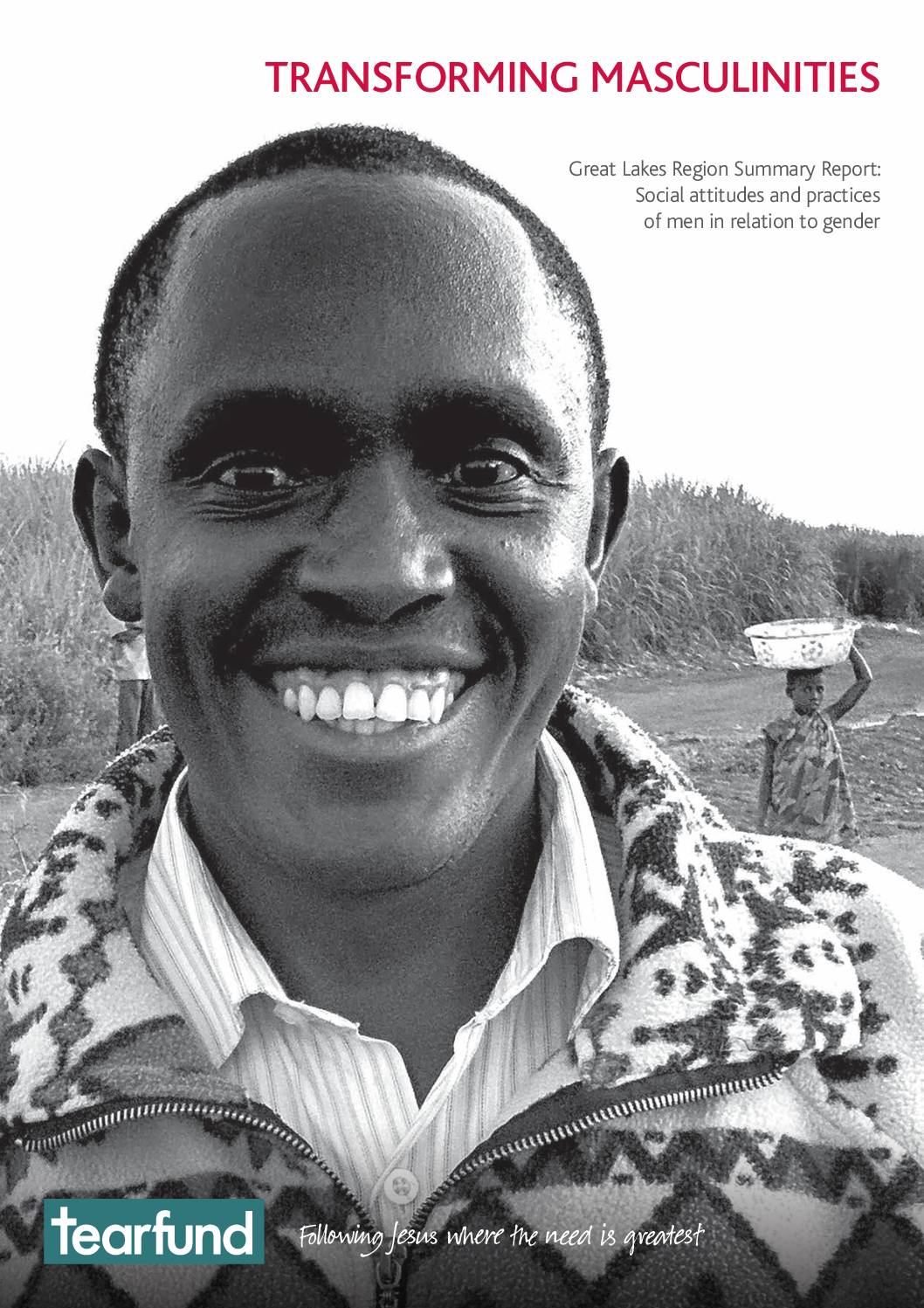
A regional summary of the Tearfund’s “Men, Faith and Masculinities” studies in Rwanda, Burundi and DR Congo.
Published: 2015
Author:Tearfund
Published: 2015
Published: 2015
Published: 2015
Published: 2015
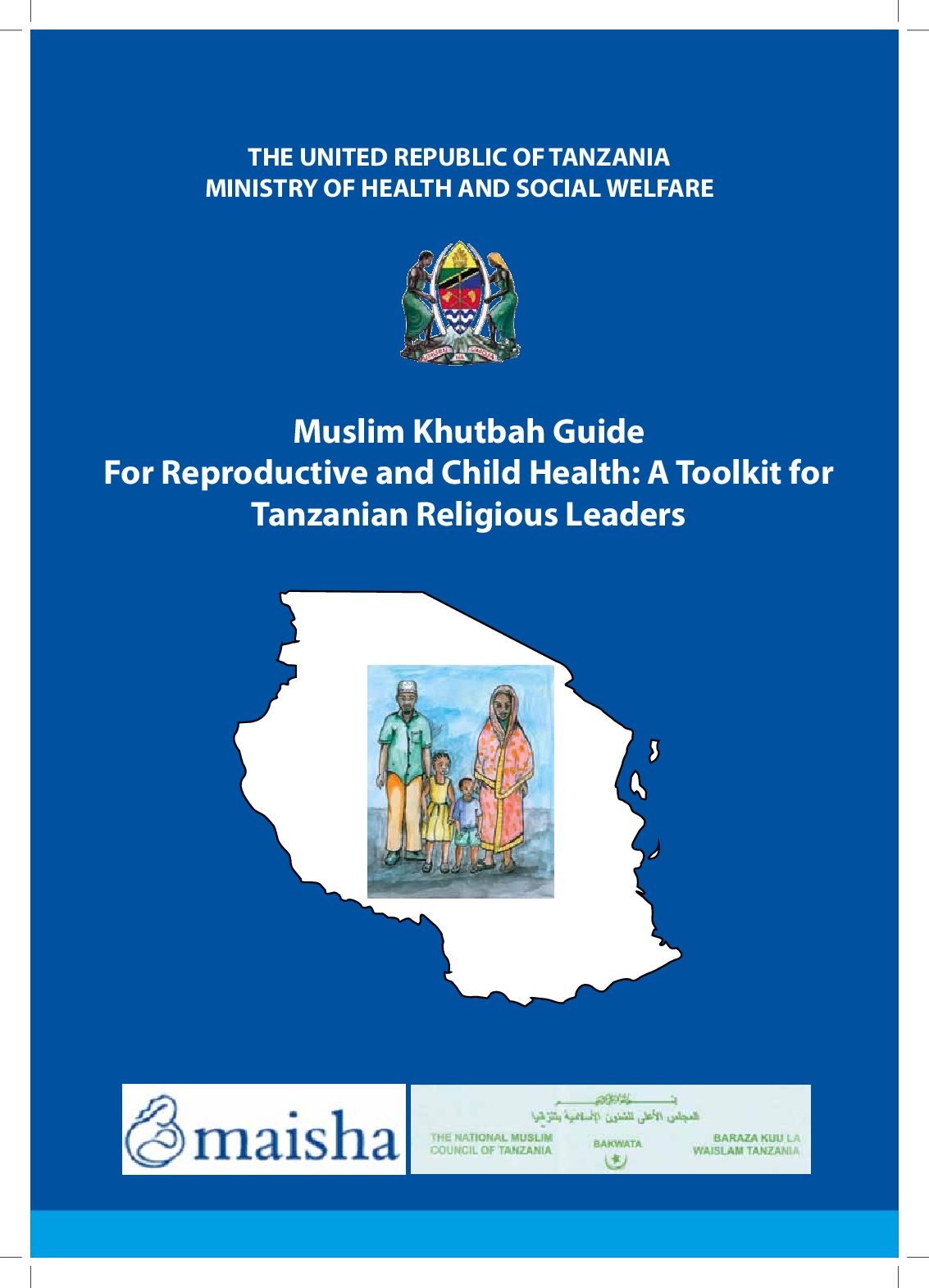
The National Muslim Council of Tanzania (BAKWATA), in collaboration with IMA World Health within the Mothers and Infants, Safe Healthy Alive (MAISHA) Program developed this Khutbah Guide. The Guide comprises of Maternal, Newborn and Child Health (MNCH) Khutbah messages for…
Published: 2015
Corporal punishment violates children’s rights and contributes to the perpetuation of violence. Achieving the prohibition and elimination of corporal punishment is a legal and ethical imperative that needs to be placed visibly in our efforts to prevent and eliminate all…
Published: 2015
Faith leaders, as trusted and respected members of their community, have played a hugely significant, and often unsung, role in the Ebola crisis. In the midst of confusion, fear and panic, communities have often turned to them for guidance. They…
Published: 2015
Author:CAFOD, Christian Aid, Tearfund
This brief highlights potential areas for dialogue and action that build on common concern for families and social justice. It draws on the Georgetown University Berkley Center/World Faiths Development Dialogue (WFDD) 2011 review of faith and maternal health.
Published: 2013
This brief presents the key results of a 2012 review, undertaken as a partnership between the Tony Blair Faith Foundation and the World Faiths Development Dialogue. The resulting report, of which Lynn Aylward is the primary author, is entitled “Global Health and Africa: Assessing Faith Work and Research Priorities.”
Published: 2013
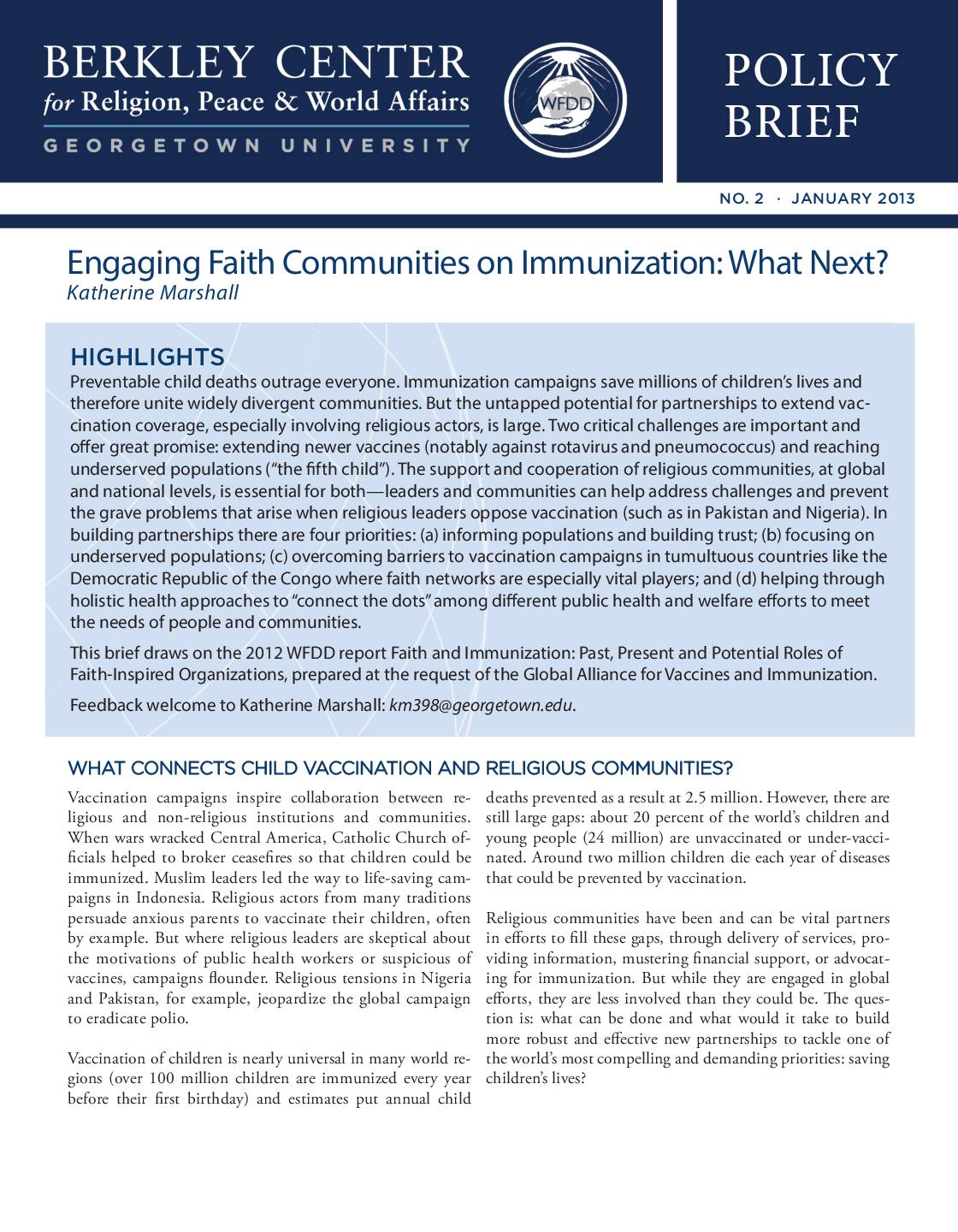
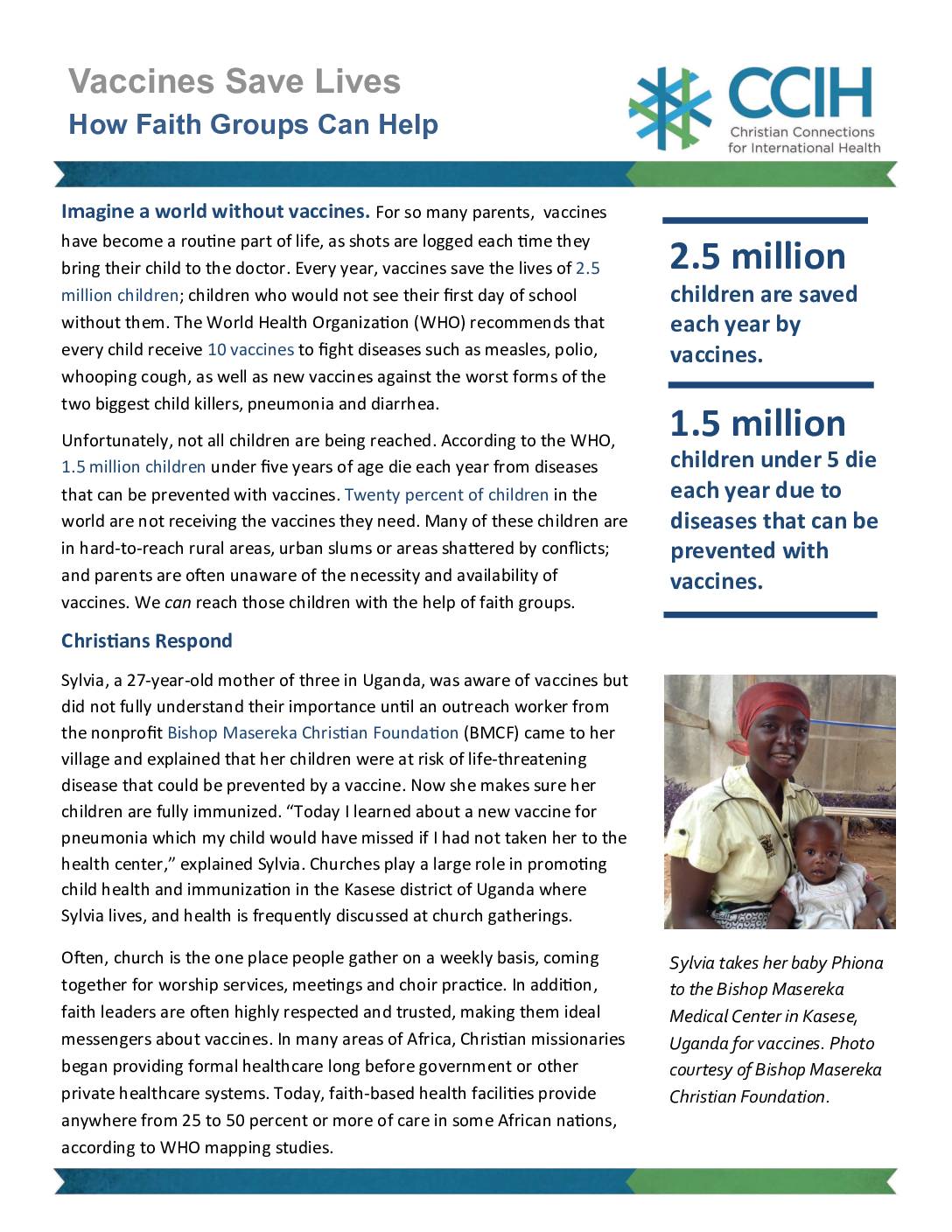
Preventable child deaths outrage everyone. Immunization campaigns save millions of children’s lives and therefore unite widely divergent communities. But the untapped potential for partnerships to extend vaccination coverage, especially involving religious actors, is large. Two critical challenges are important and offer great promise: extending newer vaccines (notably against rotavirus and pneumococcus) and reaching underserved populations (“the fifth child”). The support and cooperation of religious communities, at global and national levels, is essential for both—leaders and communities can help address challenges and prevent the grave problems that arise when religious leaders oppose vaccination (such as in Pakistan and Nigeria). In building partnerships there are four priorities: (a) informing populations and building trust; (b) focusing on underserved populations; (c) overcoming barriers to vaccination campaigns in tumultuous countries like the Democratic Republic of the Congo where faith networks are especially vital players; and (d) helping through holistic health approaches to “connect the dots” among different public health and welfare efforts to meet the needs of people and communities.
Published: 2013
Author:Katherine Marshall
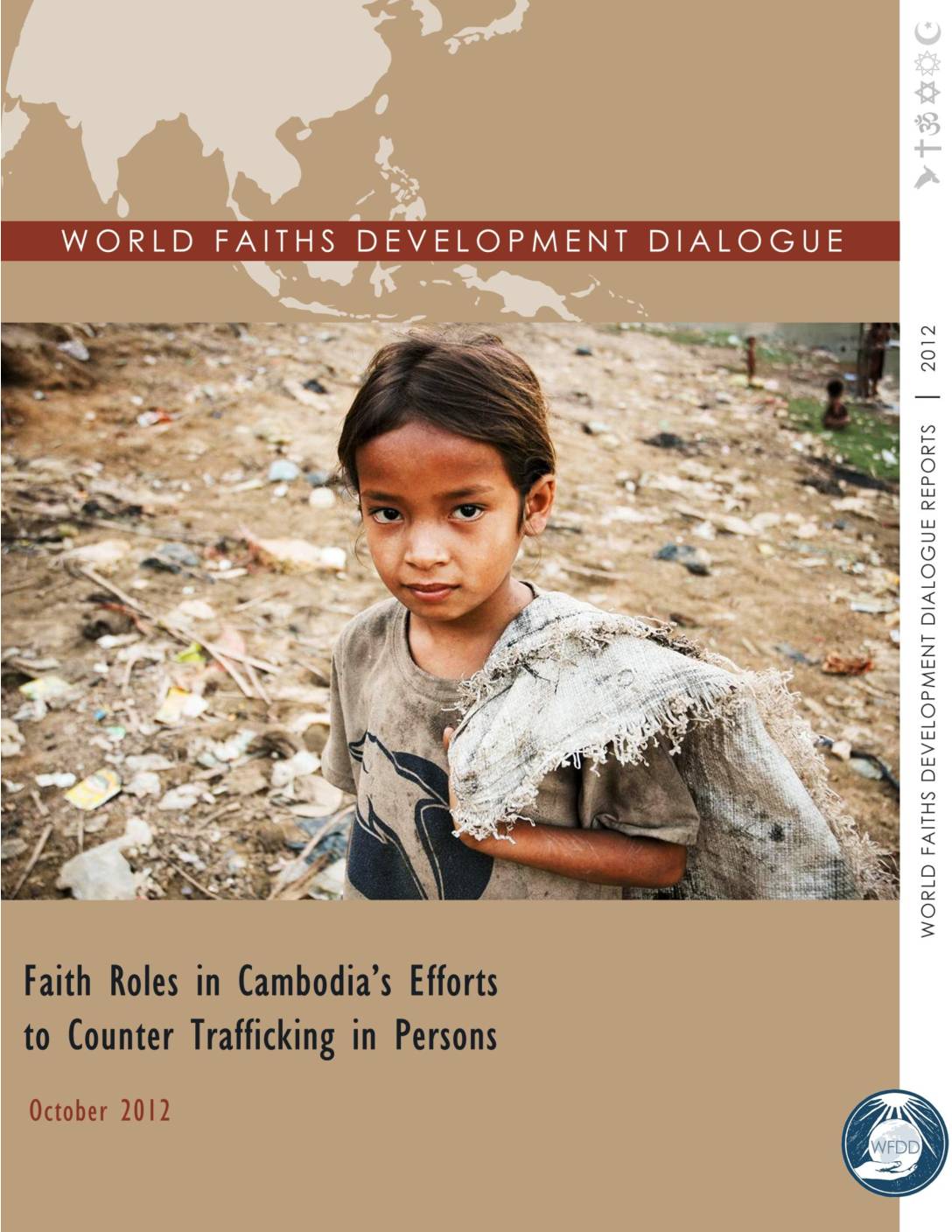
As a hotspot for human trafficking, Cambodia has received intensive media coverage and international attention as a global human rights challenge. Trafficking takes many forms but sexual exploitation of women, girls, and boys is a special focus in the region.…
Published: 2013
Author:Katherine Marshall
Published: 2014
Published: 2014
Published: 2014
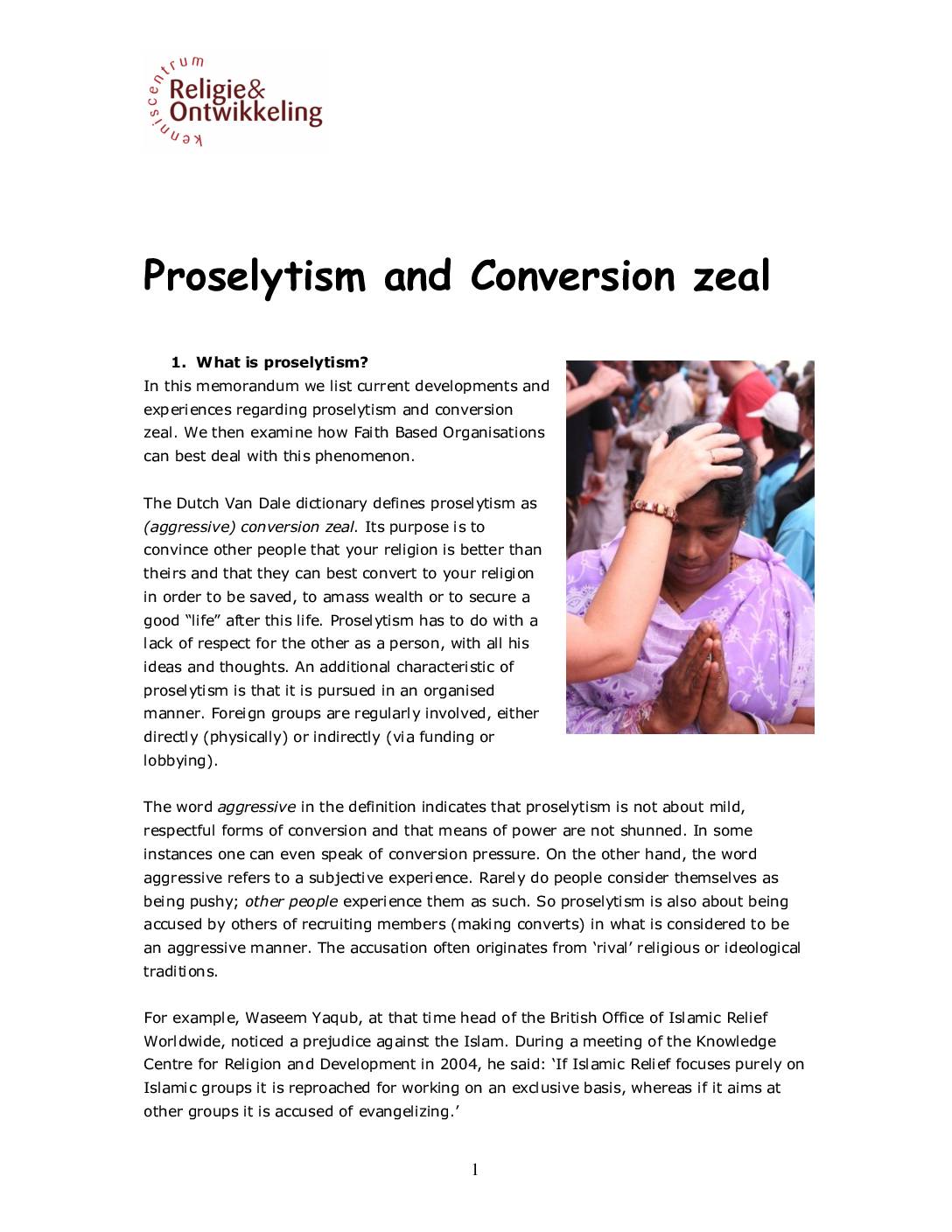
In this memorandum we list current developments and experiences regarding proselytism and conversion zeal. We then examine how Faith Based Organisations can best deal with this phenomenon.
Published: 2010
Over the past decade, the issue of honour-related violence (including honour killing and forced marriage) has entered media and policy debates in immigrant-receiving countries like the Netherlands, Germany, Britain and Canada. In some of these countries, media debate has instigated policy debate.
This paper analyses how media, parliaments and other state institutions, and non-governmental organizations (NGOs) conceptualize honour killing and honour-related violence in order to uncover how such conceptualizations inform policy responses.
Published: 2010
Author:Anna C. Korteweg, Gökçe Yurdakul
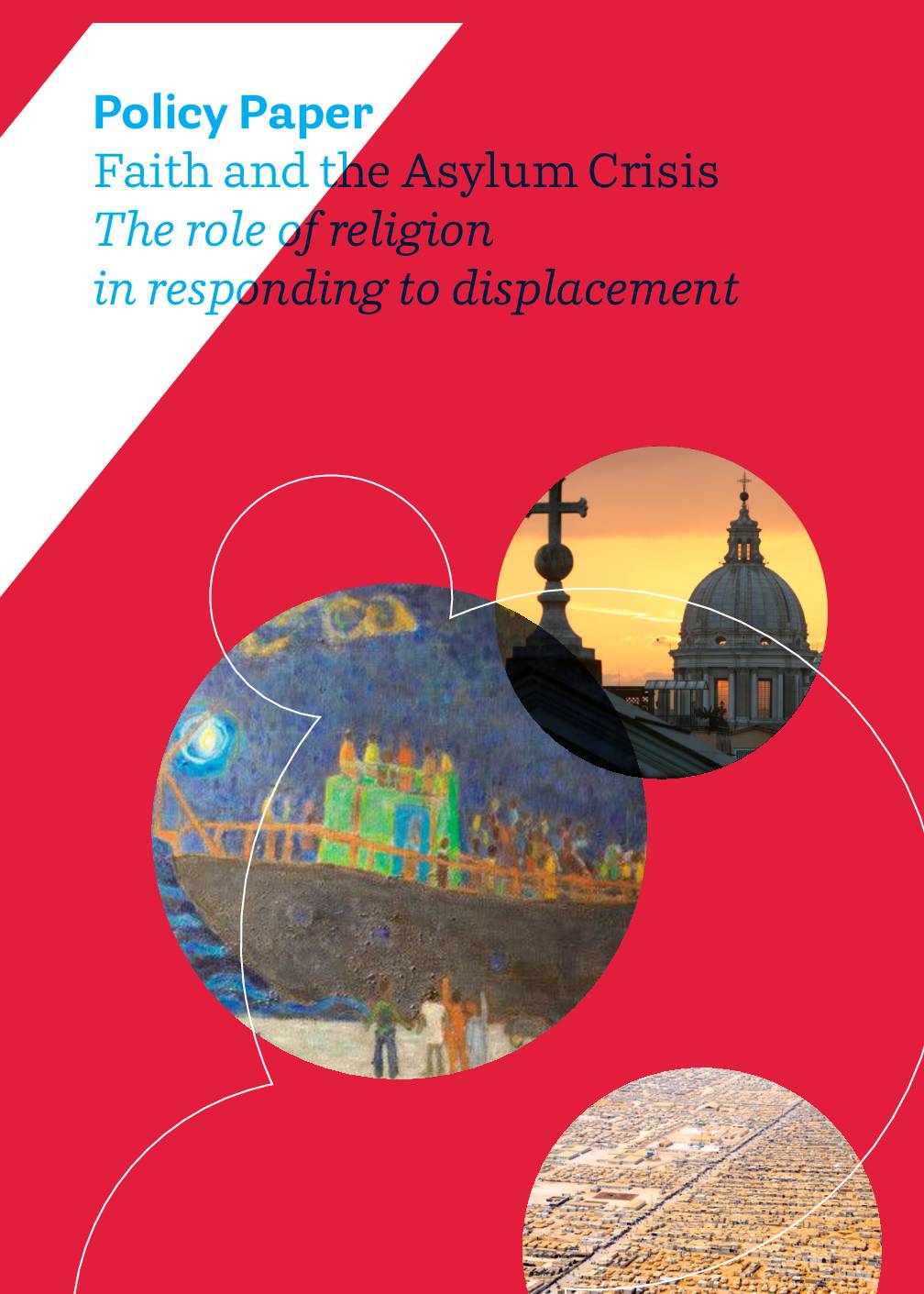
This briefing paper is a distillation of the main points and recommendations that arose during two two-day workshops held in Washington DC in May 2014 and Brussels in June 2014. The workshops, funded by the British Council USA Bridging Voices program, assembled scholars, policymakers and practitioners focused on issues of asylum, refuge and protection in contemporary global politics and the current and potential future roles of faith and faith actors across the US and Europe.
Published: 2014
Published: 2015
Copy of Dr Helen Liebling’s presentation at the DFID/Tearfund panel on the role of FBOs in combating violence against women and girls.
Published: 2014
Author:Dr Helen Liebling with Tearfund
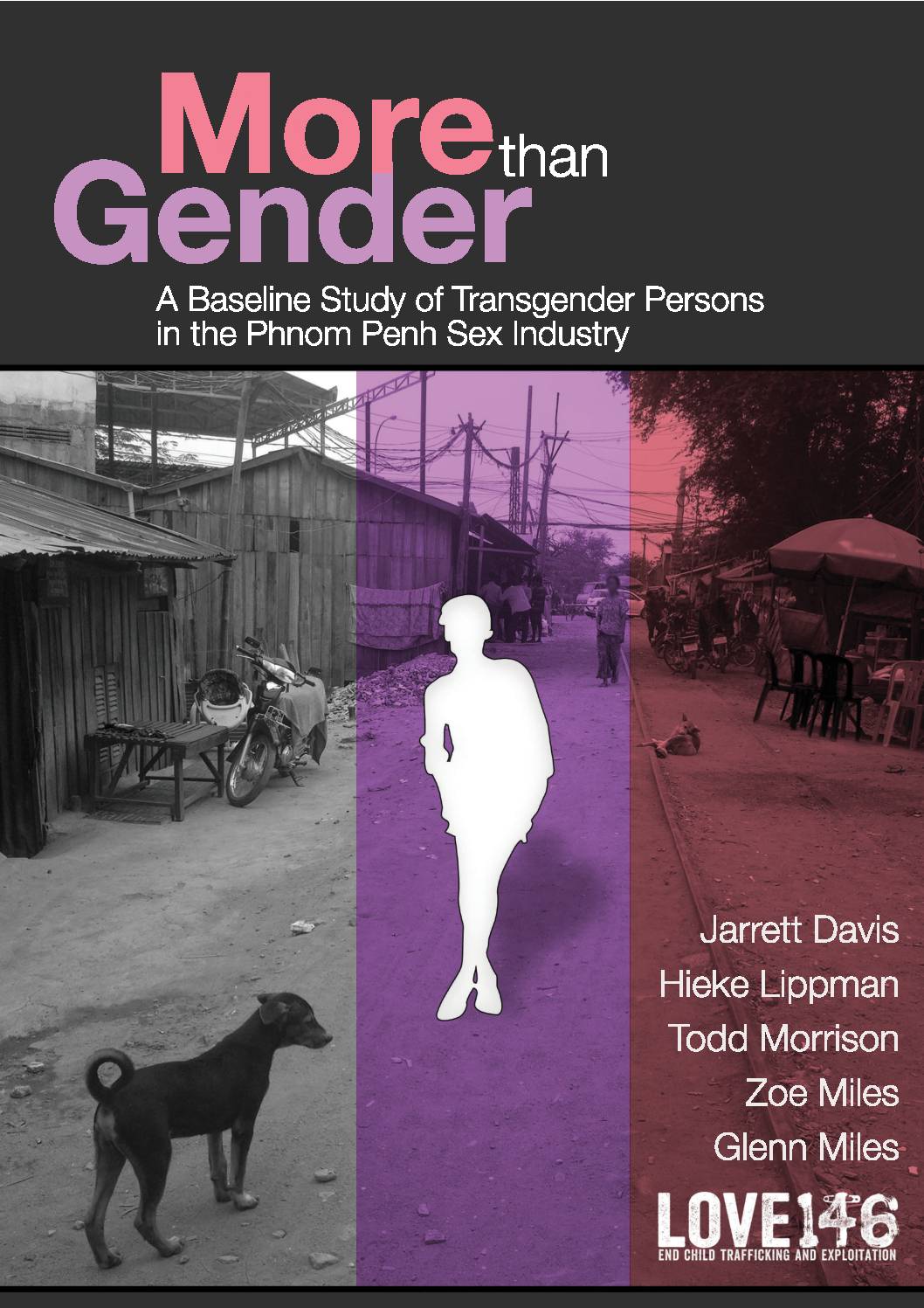
Describes research into Gender Based Violence against the Transgender community in Cambodia including sexual exploitation. Faith based theological perspective also given on why we should work with transgender people.
Published: 2014
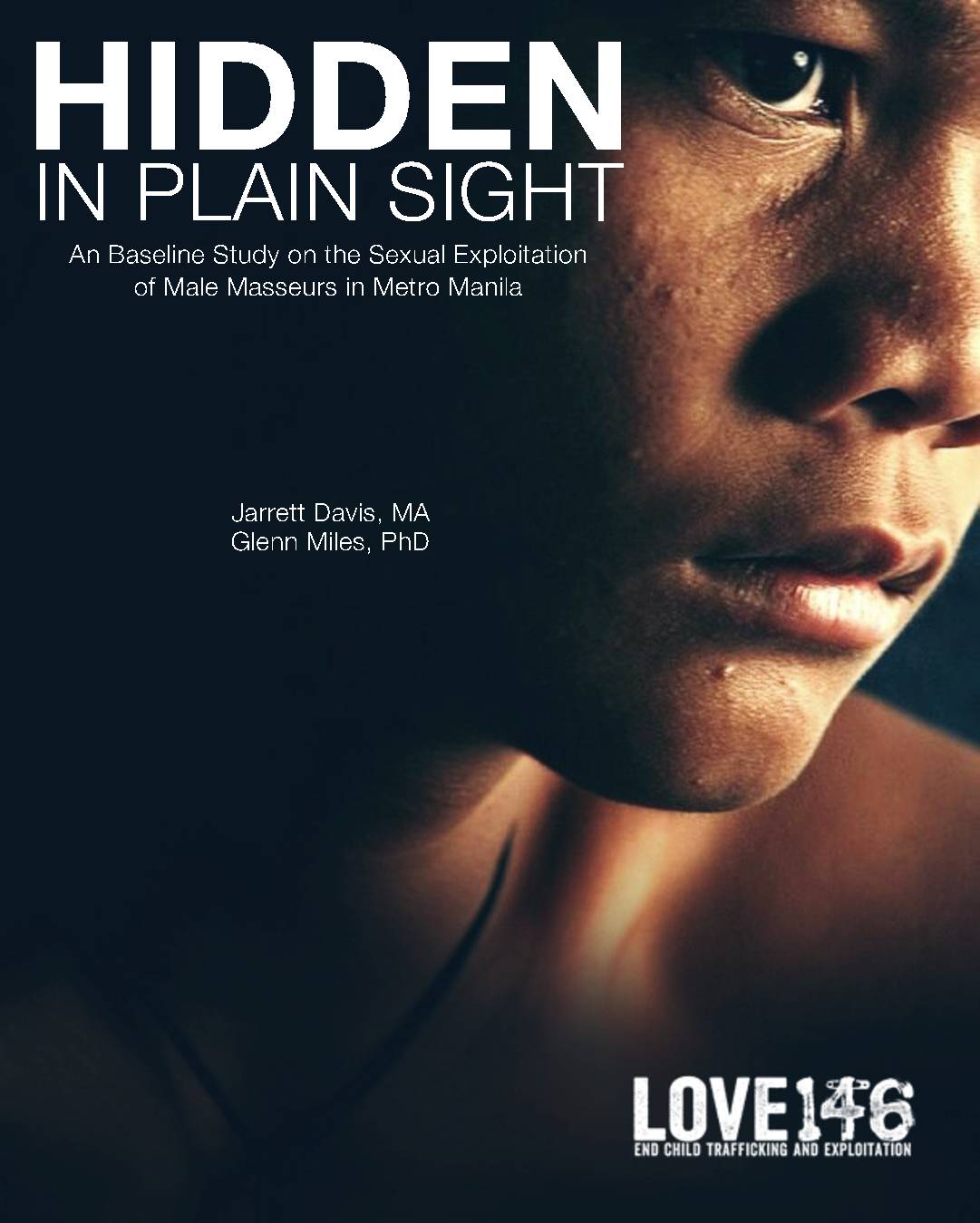
Baseline research conducted in Manila, Philippines on sexual exploitation of young men advocating for NGOs including faith based organizations to work with this community in spite of prejudices against the LGBT community. Interesting faith perspectives of male sex workers included in the research.
Published: 2013
Author:Jarrett Davis, Glenn Miles
Interviews with different people and organizations about their distinctive roles in the human trafficking sector
Published: 2012
Author:World Faiths Development Dialogue
Published: 2014
Published: 2014
In this article, authors review the literature on the definition of faith-based organizations, typologies used to place them on a spectrum of religious expression, and methodological considerations for research on them.
Published: 2013
Julie Clague’s presentation to the UNFPA faith meeting for the UN General Assembly, September 2014: ‘A Call to Action: Faith for Sexual and Reproductive Health in the Post 2015 Development Agenda’. It offers a Catholic perspective on ‘Sexual And Reproductive Health And Reproductive Rights: Religious and Cultural Contexts for Development Effectiveness Post 2015’.
Published: 2014
Author:Julie Clague
The statement makes reference to the December 2012 UN High Commissioner Dialogue on “Faith and Protection”, the “Welcoming the Stranger: Affirmations for Faith Leaders” document, as well as statelessness among the refugee populations.
Published: 2014
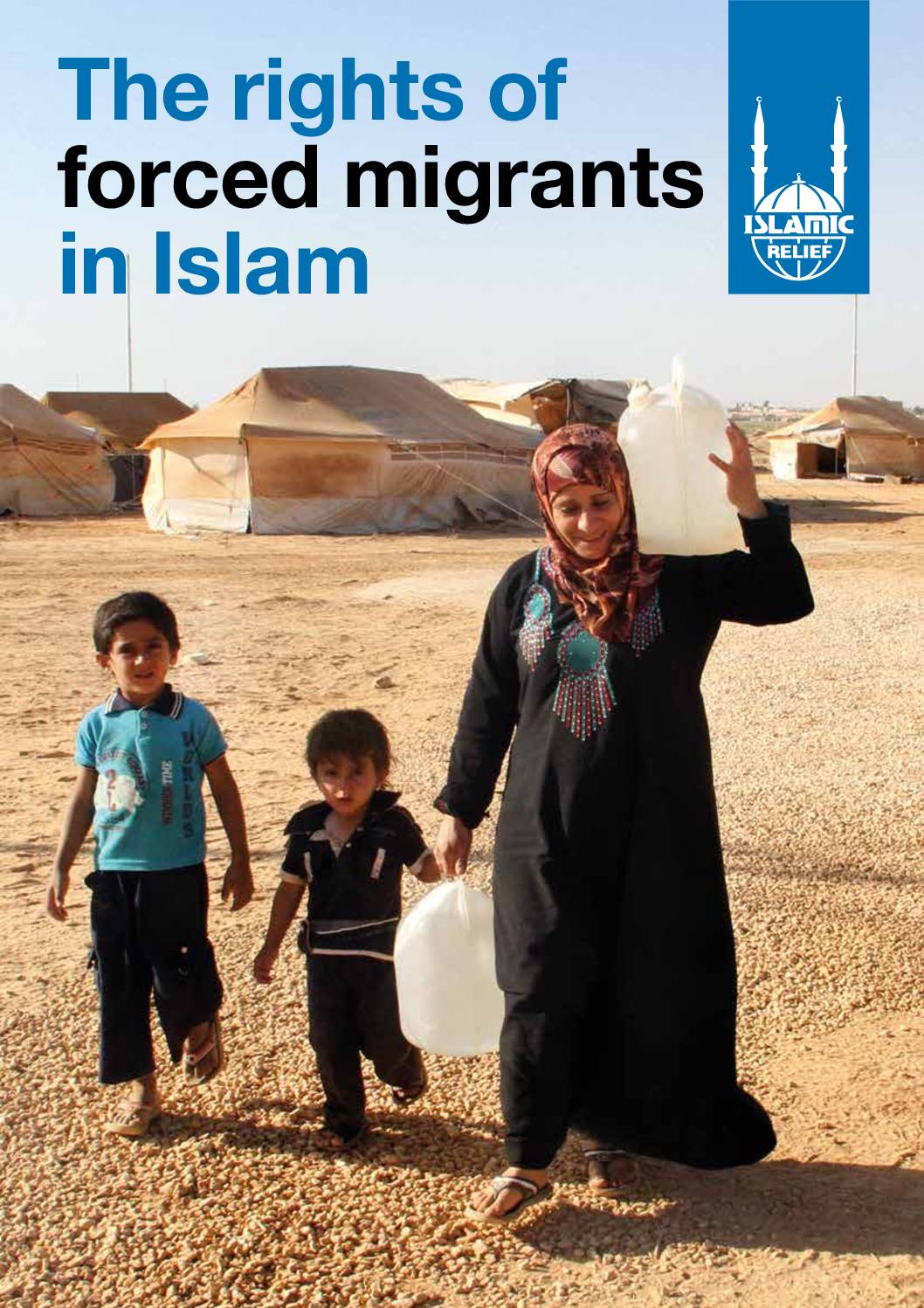
Islam has a strong heritage of protection of forced migrants. It is a tradition which provides a robust and generous framework for the protection of and provision for forced migrants, enshrining rights such as the rights to dignity, non-refoulement, equal treatment, shelter, health care, family reunification and protection of property. This paper provides an overview of the Islamic teachings related to the rights of forced migrants, and is a resource for any agency dealing with Muslim forced migrant or host communities.
Published: 2014
Author:Sadia Kidwai
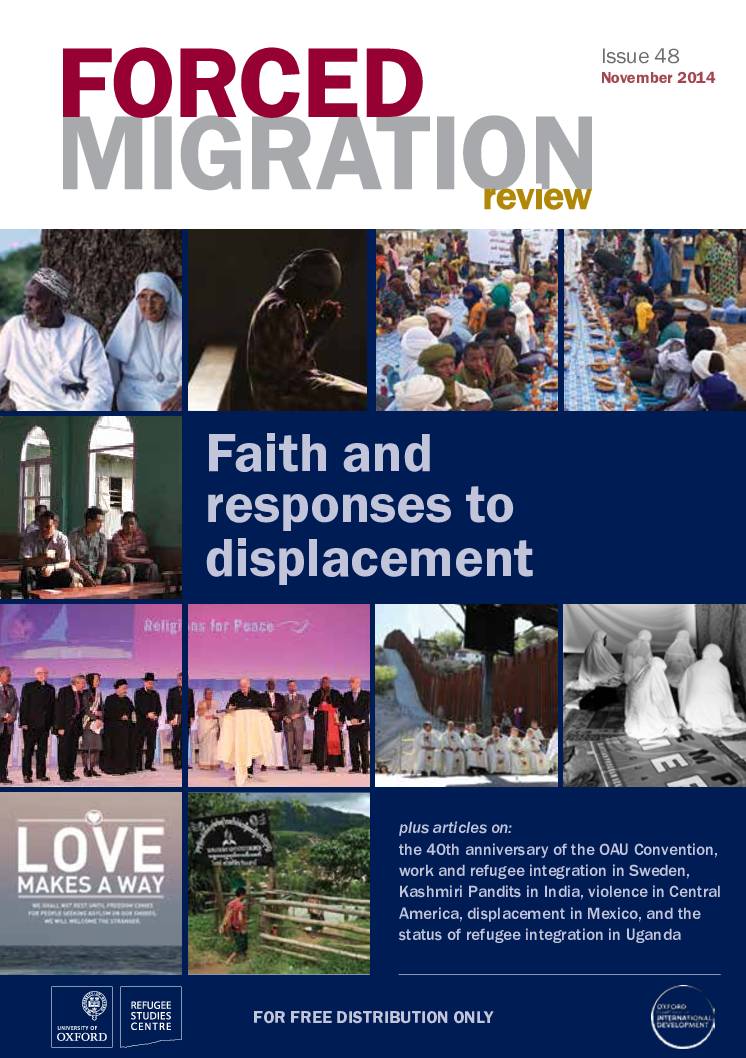
The role of faith in the humanitarian sector is not easy to measure. Faiths generally advocate welcoming the stranger and there are many organisations and individuals inspired by their faith or religion to provide protection and assistance. Yet it is easier to measure the activities inspired by faith than to measure the difference that having that faith makes, and secularly inspired standards for such activities can appear to be in tension with the faith inspiration. FMR 48 includes 36 articles on ‘Faith’ plus seven ‘general’ articles. – See more at: http://www.fmreview.org/faith#sthash.9G2V0abz.dpuf
Published: 2014
Published: 2014
Published: 2014
Published: 2014
Cover page and table of contents may be viewed at Emory University's page on Religion and Public Health Collaboration here. Book may be purchased at Oxford University Press' website here Description from Oxford University Press: Frequently in partnership, but sometimes…
Published: 2014
Author:Ellen L. Idler
Published: 2014
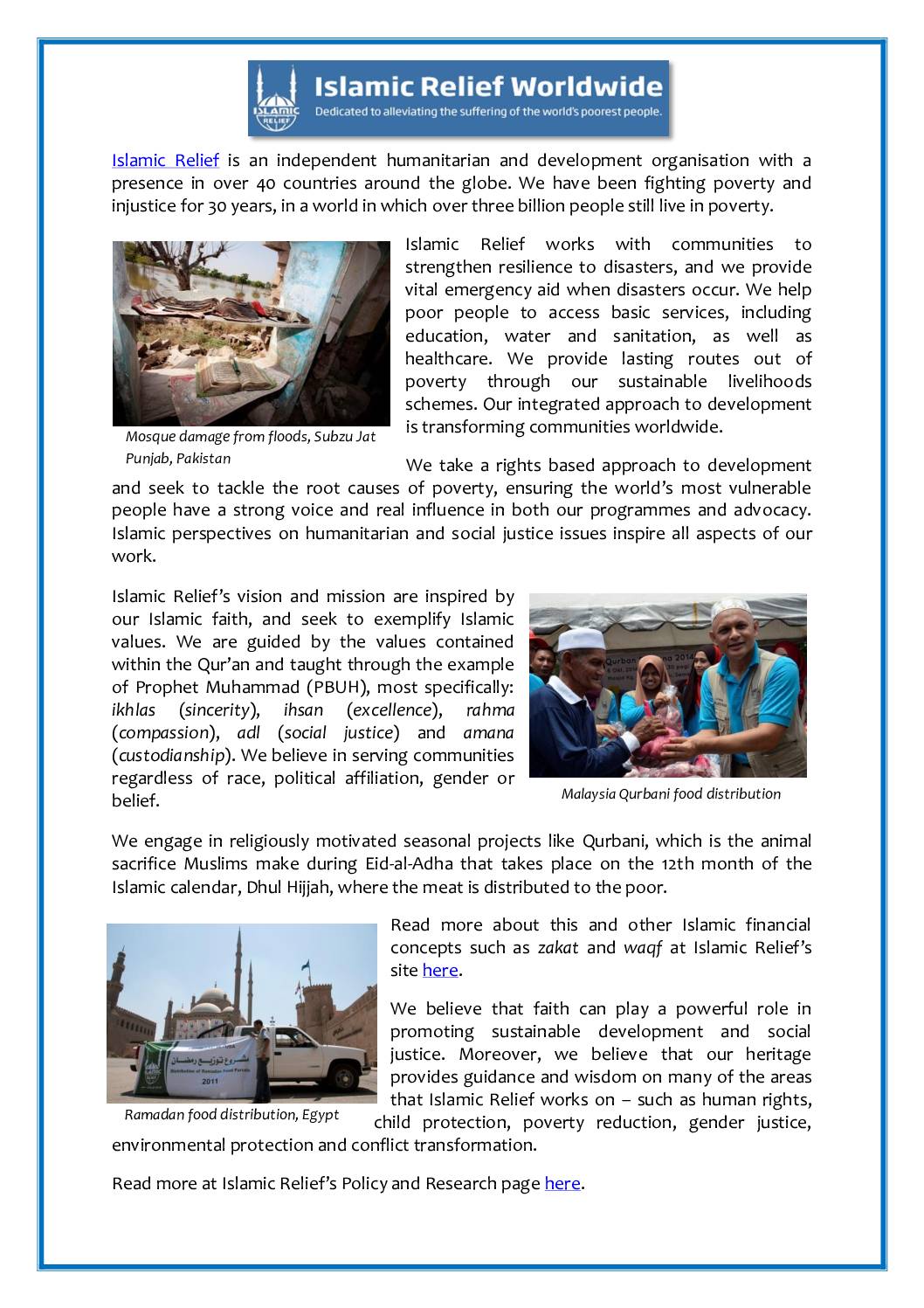
Brochure on Islamic Relief’s waqf program.
Published: 2014
Published: 2013
Published: 2014
A collection of short essays and practical approaches for partnering with faith actors when tackling global challenges
Published: 2014
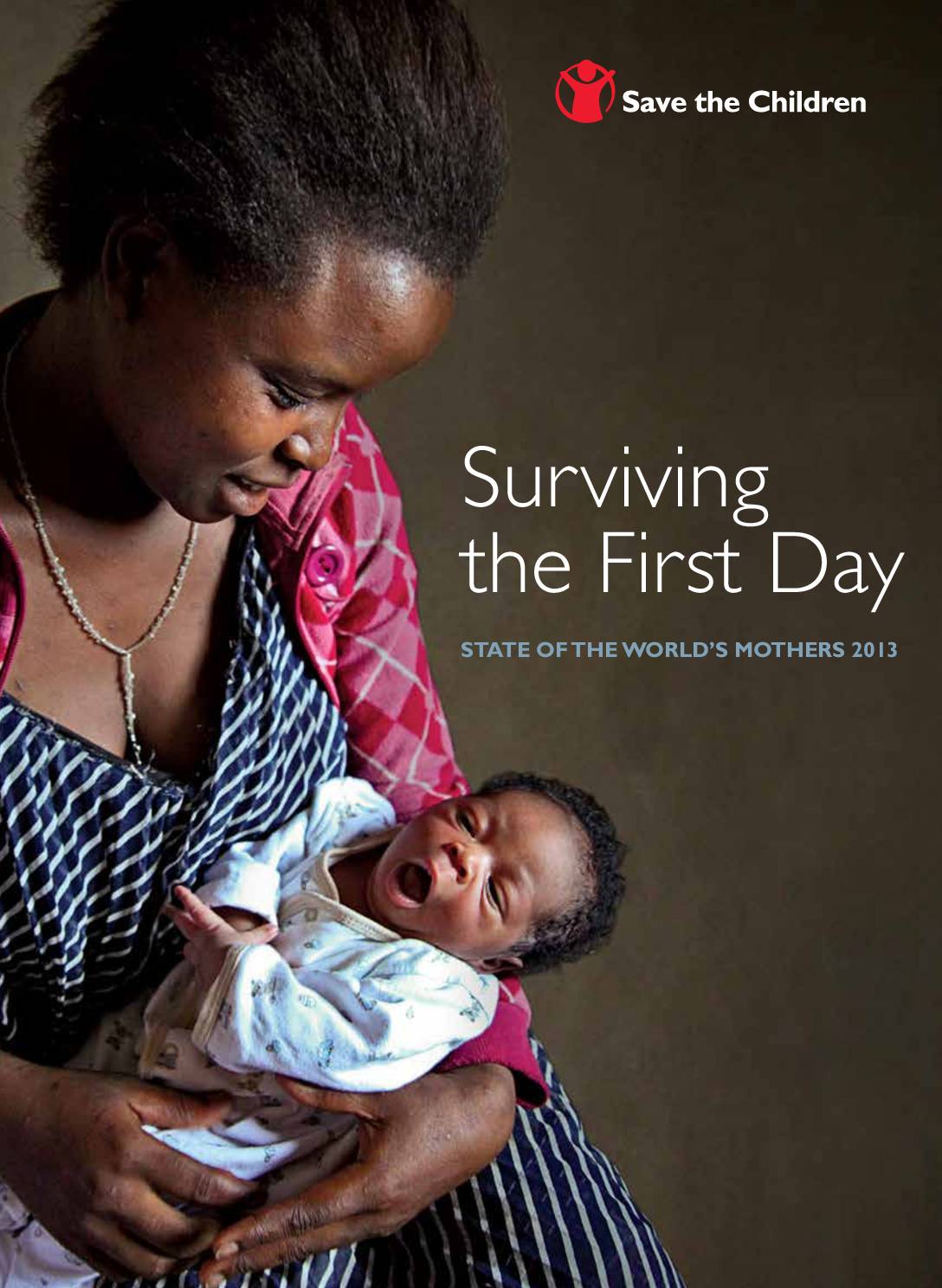
Report issued by Save The Children, May 2013
Published: 2013
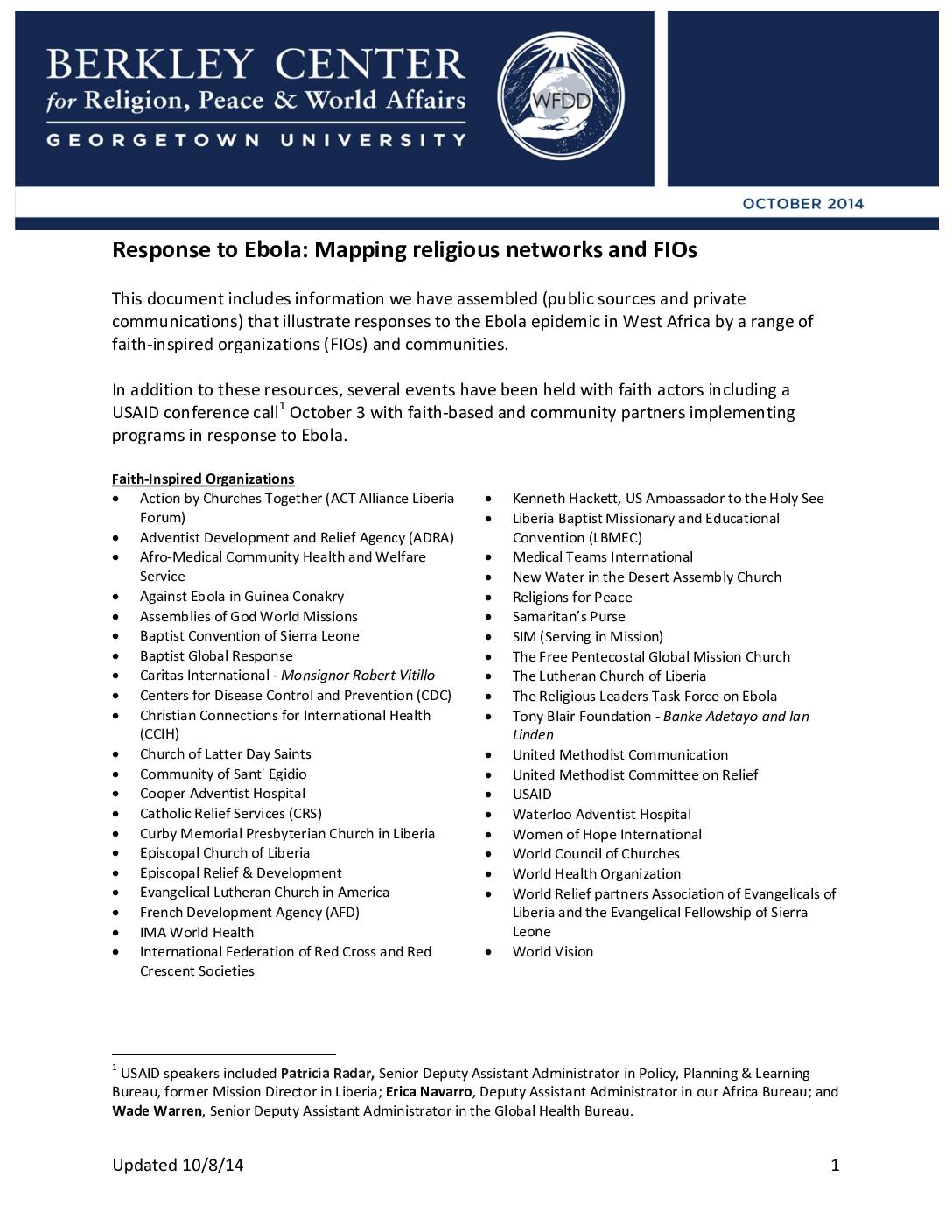
This document illustrates responses to the Ebola epidemic in West Africa by a range of faith-inspired organizations (FIOs) and communities. In addition to these resources, several events have been held with faith actors including a USAID conference call1 October 3 with faith-based and community partners implementing programs in response to Ebola.
Published: 2014
Author:Berkley Center for Religion, Peace, and World Affairs
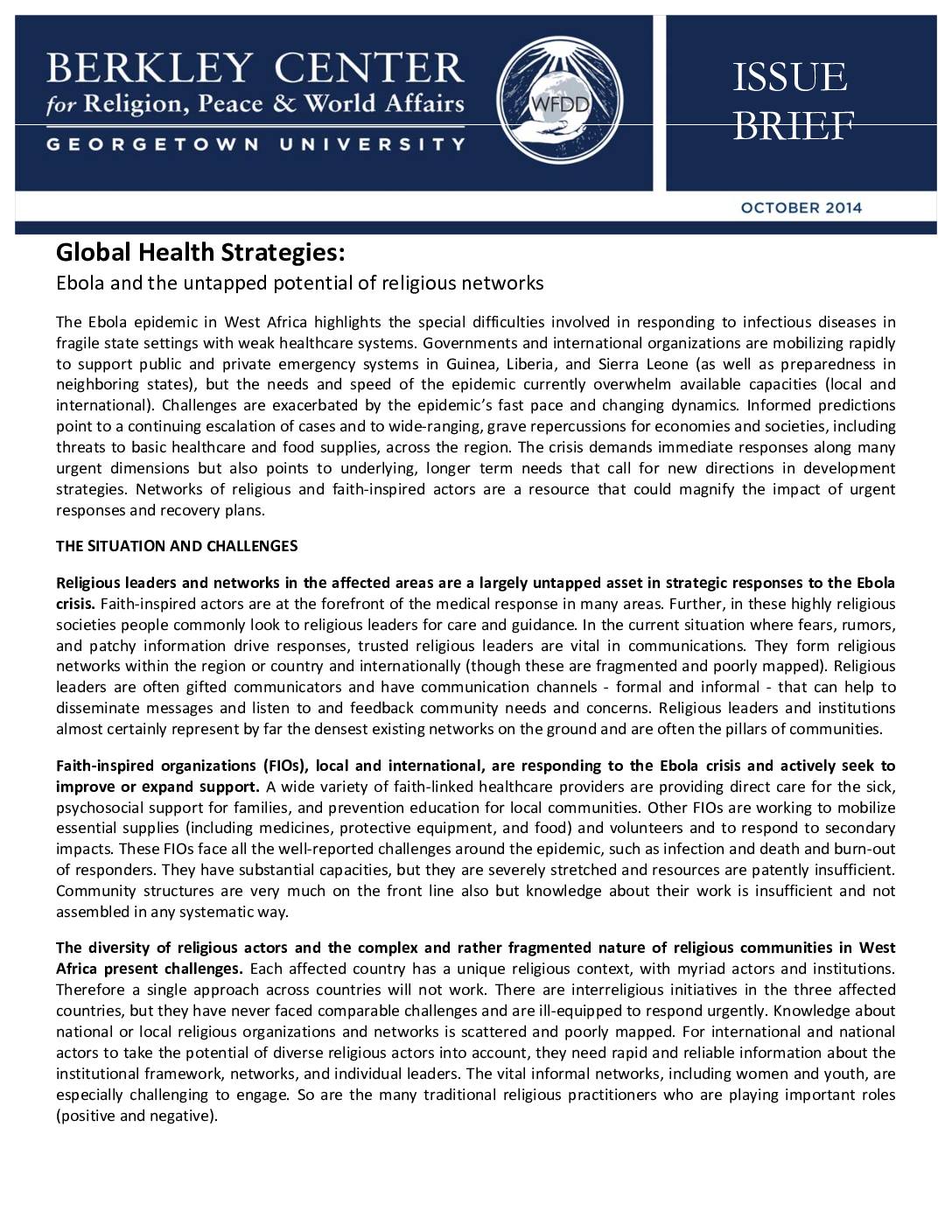
The Ebola epidemic in West Africa highlights the special difficulties involved in responding to infectious diseases in fragile state settings with weak healthcare systems. Governments and international organizations are mobilizing rapidly to support public and private emergency systems in Guinea, Liberia, and Sierra Leone (as well as preparedness in neighboring states), but the needs and speed of the epidemic currently overwhelm available capacities (local and international). Challenges are exacerbated by the epidemic’s fast pace and changing dynamics. Informed predictions point to a continuing escalation of cases and to wide‐ranging, grave repercussions for economies and societies, including threats to basic healthcare and food supplies, across the region. The crisis demands immediate responses along many urgent dimensions but also points to underlying, longer term needs that call for new directions in development strategies. Networks of religious and faith‐inspired actors are a resource that could magnify the impact of urgent responses and recovery plans.
Published: 2014
Author:Berkley Center for Religion, Peace, and World Affairs
Katherine Marshall Senior Fellow, Berkley Center for Religion, Peace, and World Affairs at Georgetown University Georgetown University's Berkley Center for Religion, Peace, and World Affairs and the World Faiths Development Dialogue (WFDD) organized a meeting on October 6 Summary of what is…
Published: 2014
Author:Katherine Marshall
Published: 2014
Published: 2014
Published: 2014
The Heythrop Journal Special Issue on Faith, Family, and Fertility: On Faith, Health and Tensions An Overview from an inter-governmental perspective
Published: 2014
Author:Azza Karam
Published: 2014
The leadership of the Church in the Philippines has historically exercised a powerful influence on politics and social life. The country is at least 80% Catholic and there is a deeply ingrained cultural deference for clergy and religious. Previous attempts in the last 14 years to pass a reproductive health law have failed because of the opposition of Catholic bishops. Thus the recent passage of the ‘Responsible Parenthood and Reproductive Health Act of 2012’ (R.A.
10354) was viewed by some Filipinos as a stunning failure for the Church and a sign of its diminished influence on Philippine society. This article proposes that the Church’s engagement in the reproductive health bill (RH Bill) debate and the manner of its discourse undermined its own campaign to block the law. The first part of the article gives a historical overview of the Church’s opposition to government family planning programs. The second part discusses key points of conflict in the RH Bill debate. The third part will examine factors that shaped the Church’s attitude and responses to the RH Bill. The fourth part will examine the effects of the debate on the Church’s unity, moral authority, and role in Philippine society. The fifth part will draw lessons for the Church and will explore paths that the Church community can take in response to the challenges arising from the law’s implementation.
Published: 2014
When it comes to dealing with population growth, there are a number of misconceptions about the position of the Catholic Church. Official teaching during the twentieth century gradually moved toward the acceptance of limiting family size and endorsed the concept of responsible parenthood during the Second Vatican Council. One cannot, therefore, justifiably claim that the church is against birth control. It is an entirely different matter, however, when it comes to the practical question about how a couple might go about regulating fertility. Since the publication of Pope Paul VI’s 1968 encyclical, an intense controversy has taken place within the church about the use of artificial contraception. Behind that controversy lies an important methodological issue. For, the traditional teaching to which Paul VI returned in his letter was based upon the presumption that it is possible to morally judge a physical, material act without any consideration of the persons who performed that act, the circumstances within which it took place, or the reasons why the act was chosen. This behavioural approach to morality stands in some contrast to the way that other moral questions are dealt with. Inflicting pain or even taking a person’s life, for instance, can be justified for a good reason when one acts in a virtuous manner to instil discipline or safeguard justice. Until this methodological controversy is addressed, the problem of using artificial means to regulate fertility will not be resolved. A helpful key for solving the methodological ambiguities is to use moral language in a consistent and understandable manner.
Published: 2014
Published: 2014
Published: 2014
Published: 2014
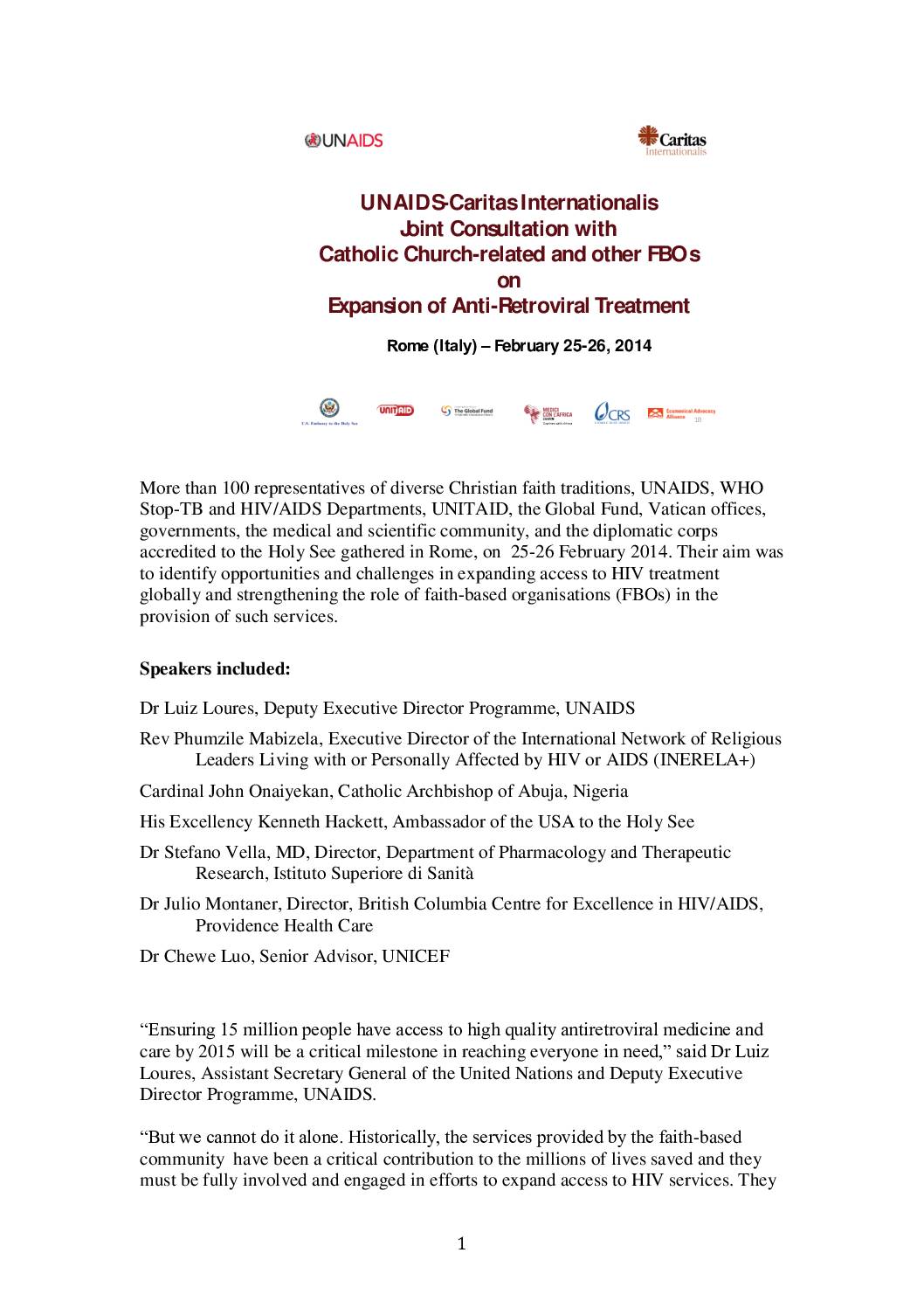
More than 100 representatives of diverse Christian faith traditions, UNAIDS, WHO Stop-TB and HIV/AIDS Departments, UNITAID, the Global Fund, Vatican offices, governments, the medical and scientific community, and the diplomatic corps accredited to the Holy See gathered in Rome, on 25-26 February 2014. Their aim was to identify opportunities and challenges in expanding access to HIV treatment globally and strengthening the role of faith-based organisations (FBOs) in the provision of such services.
Published: 2014
Published: 2014
Published: 2014
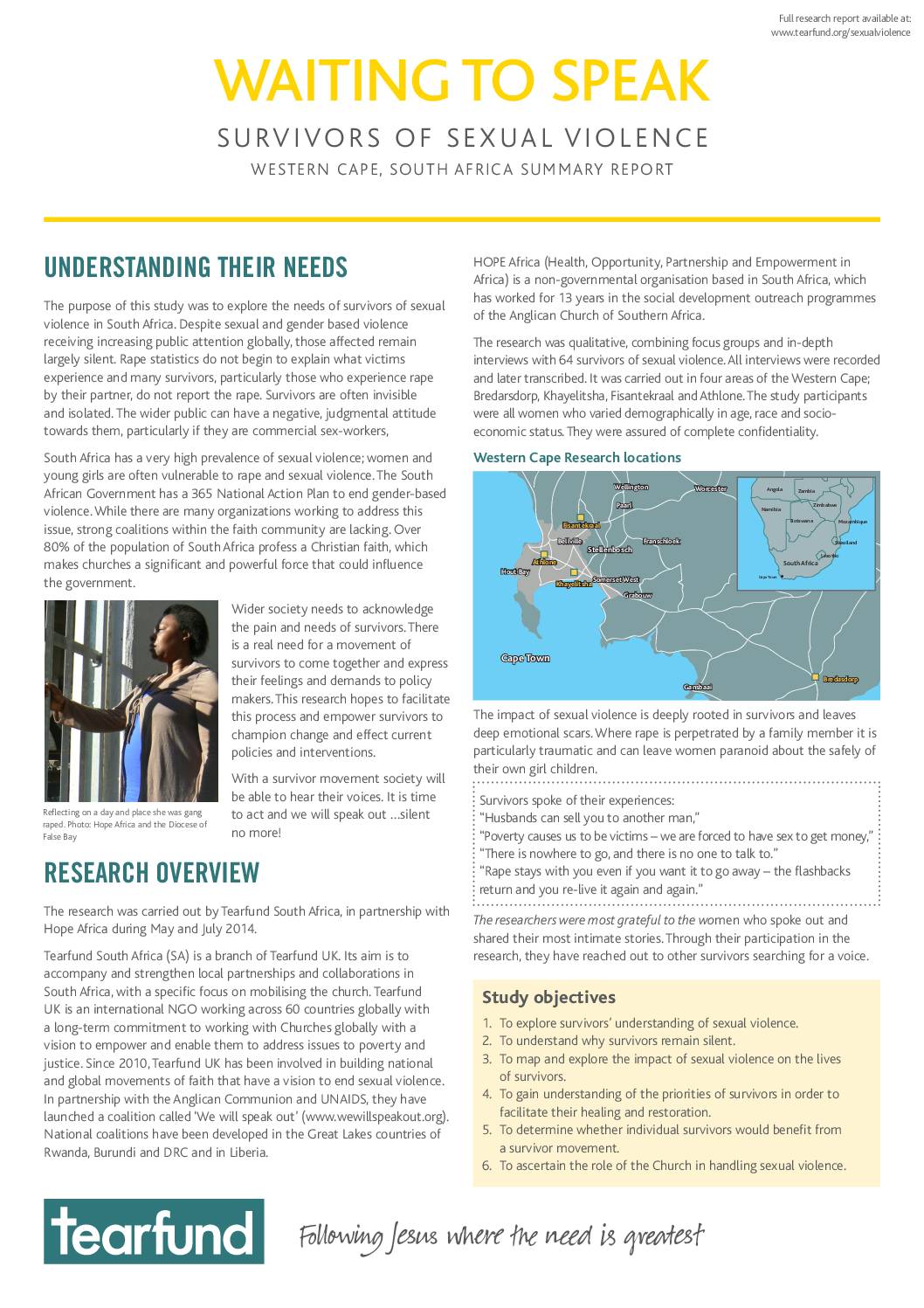
The purpose of this study was to explore the needs of survivors of sexual violence in South Africa. Despite sexual and gender based violence receiving increasing public attention globally, those affected remain
largely silent. Rape statistics do not begin to explain what victims experience and many survivors, particularly those who experience rape by their partner, do not report the rape. Survivors are often invisible and isolated. The wider public can have a negative, judgmental attitude towards them, particularly if they are commercial sex-workers.
Published: 2014
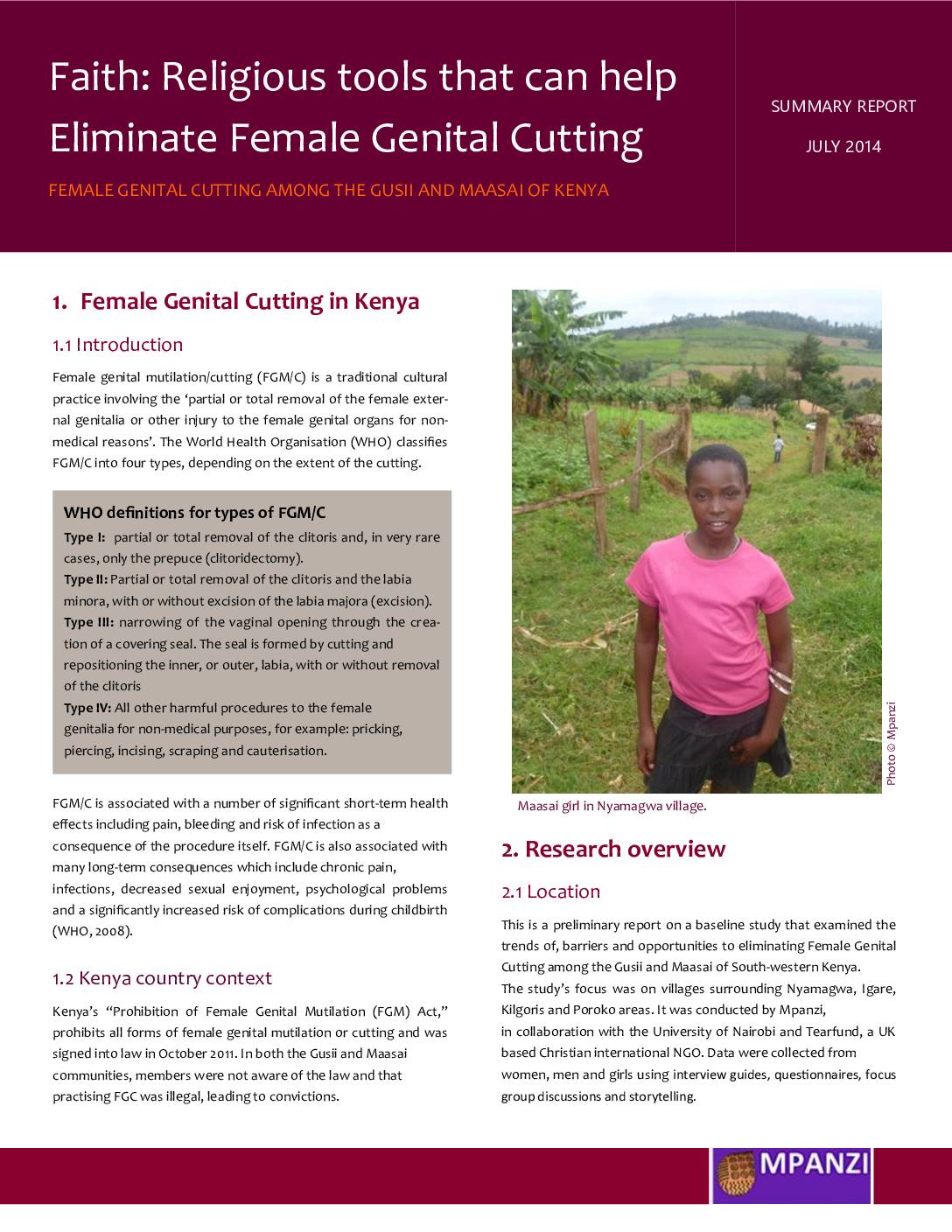
FEMALE GENITAL CUTTING AMONG THE GUSII AND MAASAI OF KENYA
Published: 2014
Author:MPANZI
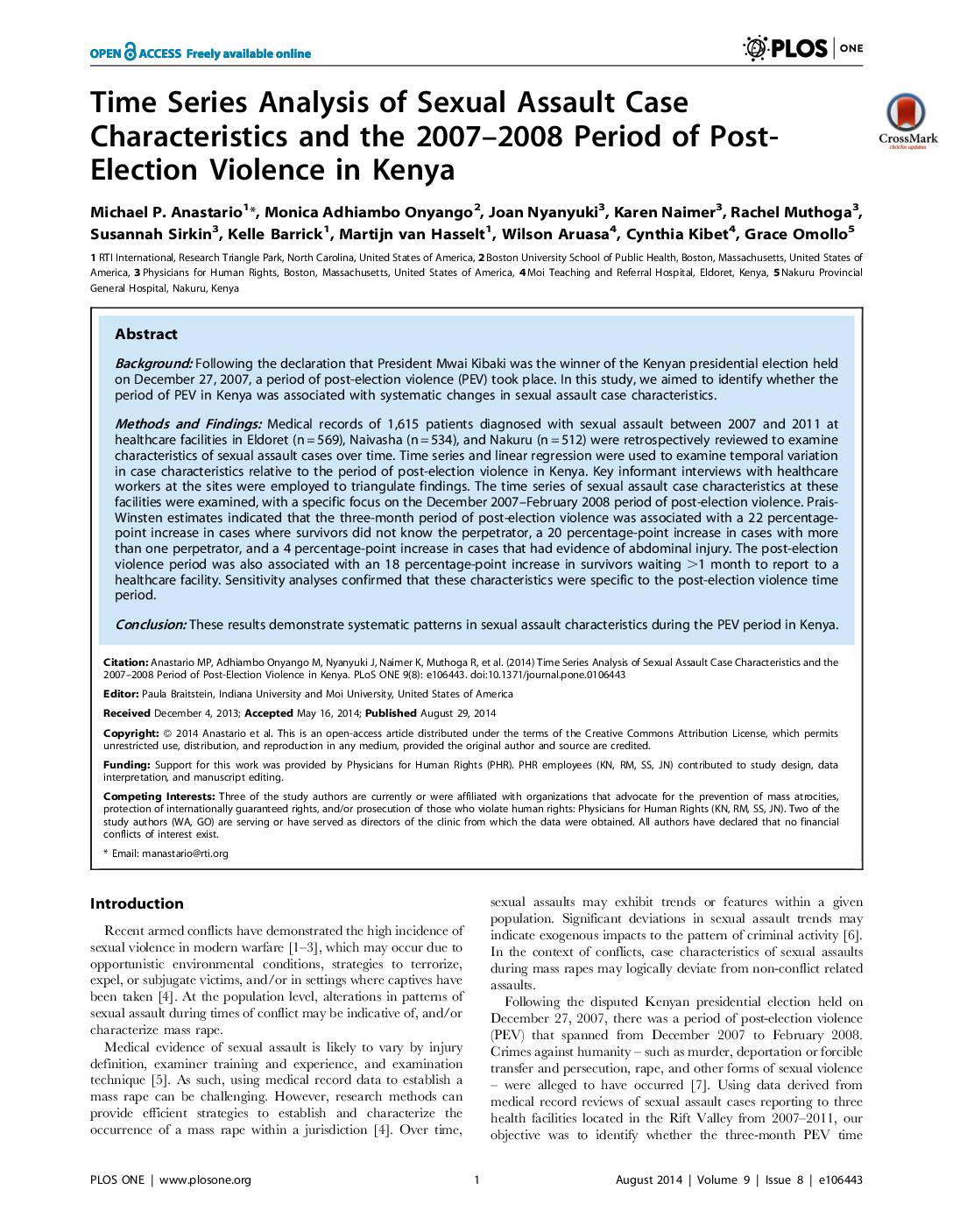
Following the declaration that President Mwai Kibaki was the winner of the Kenyan presidential election held on December 27, 2007, a period of post-election violence (PEV) took place. In this study, we aimed to identify whether the period of PEV in Kenya was associated with systematic changes in sexual assault case characteristics.
Published: 2014
Published: 2014
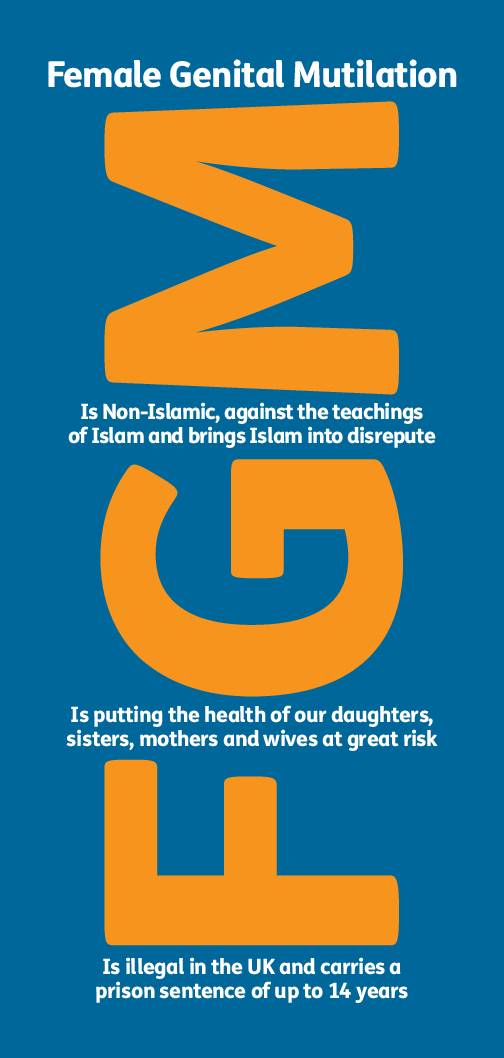
This resource states that FGM is NON-Islamic and is against the teachings of Islam, that it is putting the health of women and girls at risk and informs the reader of the legal implications in the UK of carrying out the practice.
Published: 2014
Rape as Torture in the DRC: Sexual Violence Beyond the Conflict Zone analyses evidence from 34 forensic medical reports written by specially trained doctors at Freedom from Torture and indicates that rape is being used as torture by state security forces in prisons across the country to stop women speaking out about politics, human rights and, in some cases, rape itself.
Published: 2014
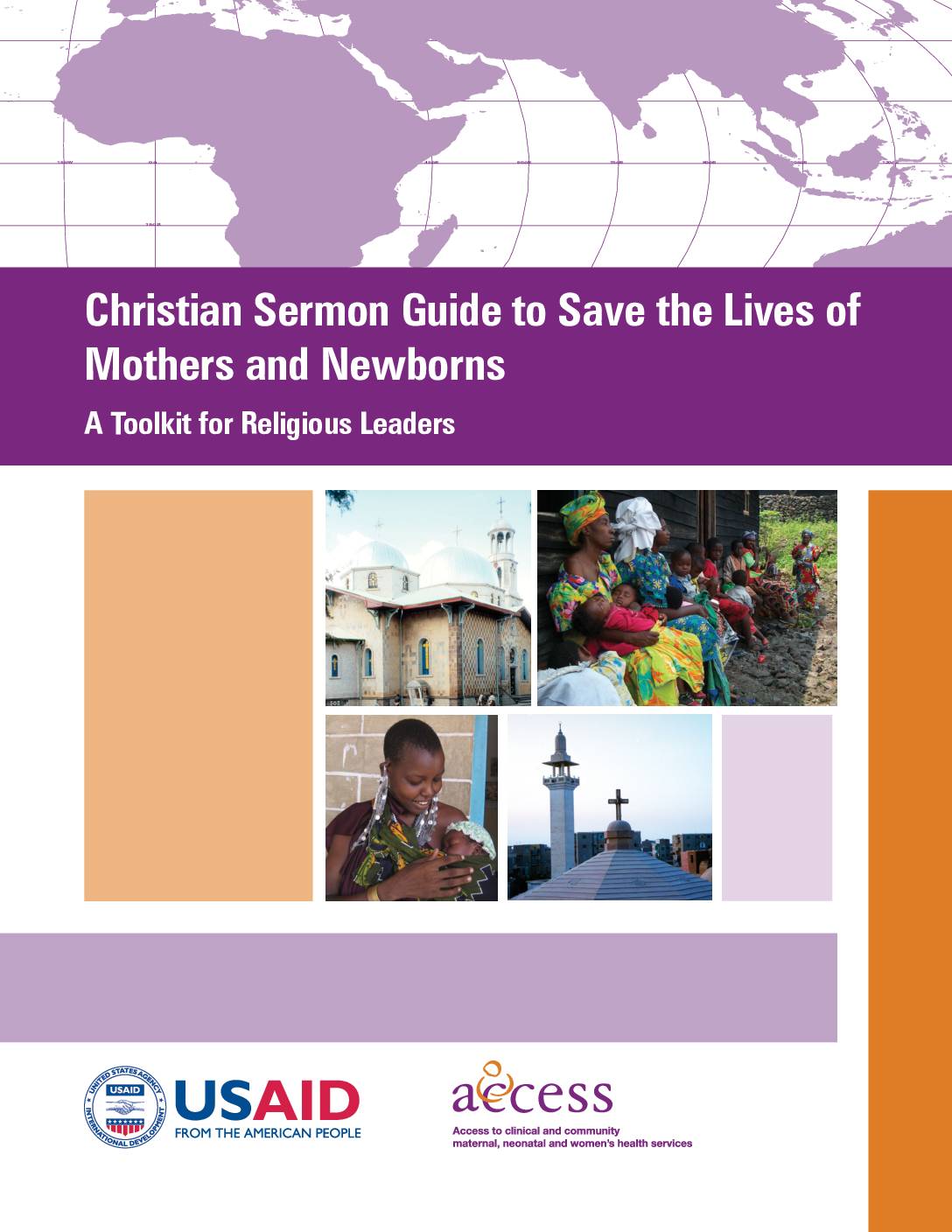
The “Christian Sermon Guide to Save the Lives of Mothers and Newborns” is a tool for Christian religious leaders on how to guide their followers through a safe reproductive process from pregnancy through infancy. It presents the magnitude of worldwide concern with maternal and infant mortality but argues that the problem is solvable. The instructions include not only guidelines for safe health and sanitation practices, but also recommendations for how Christian leaders might instill these standards and values in their congregations through addressing the issues in the context of sermons with Biblical references included.
Published: 2009
Acts of humanitarianism are an essential element of religious practice for the Muslim. The Quranic and prophetic texts calling for humanitarian action, defining and ordering it are numerous. They are either of an obligatory or an inciting nature and do not exclude the non-Muslims from humanitarian aid. For the Muslim to undertake a humanitarian act is a way of receiving help from heaven, of erasing sins, and of meriting Paradise. The mechanisms established by the religion (e.g. zakat, waqf, kaffara) had an unprecedented impact on the lives of the population: the freeing of slaves, a significant support for the most vulnerable, and the expansion of the educational and health-care system. Nowadays faith based Muslim NGOs follow these texts to launch varied humanitarian programmes in different domains.
Published: 2005
This Strategic Framework for Action makes recommendations to further enhance the reach and efficacy of the faith sector’s considerable efforts to promote health and development. The report focuses on two areas of action thought to hold promise for increasing impact: (1) increasing large-scale collaboration both within and among faiths and with secular partners and (2) increasing large-scale mobilization of religious congregations for common action on health and development issues. Additionally, the report articulates to the secular development community how investment in and engagement with the faith sector can dramatically advance health and development efforts worldwide.
Published: 2010
Published: 2007
This report details the background for the consultation and the reasons why collaboration between faith-based organizations and international organizations like WHO is so crucial in the development of systems to monitor health services delivery around the world.
Published: 2009
Published: 2011
Published: 2005
Published: 2014
Author:Katherine Marshall
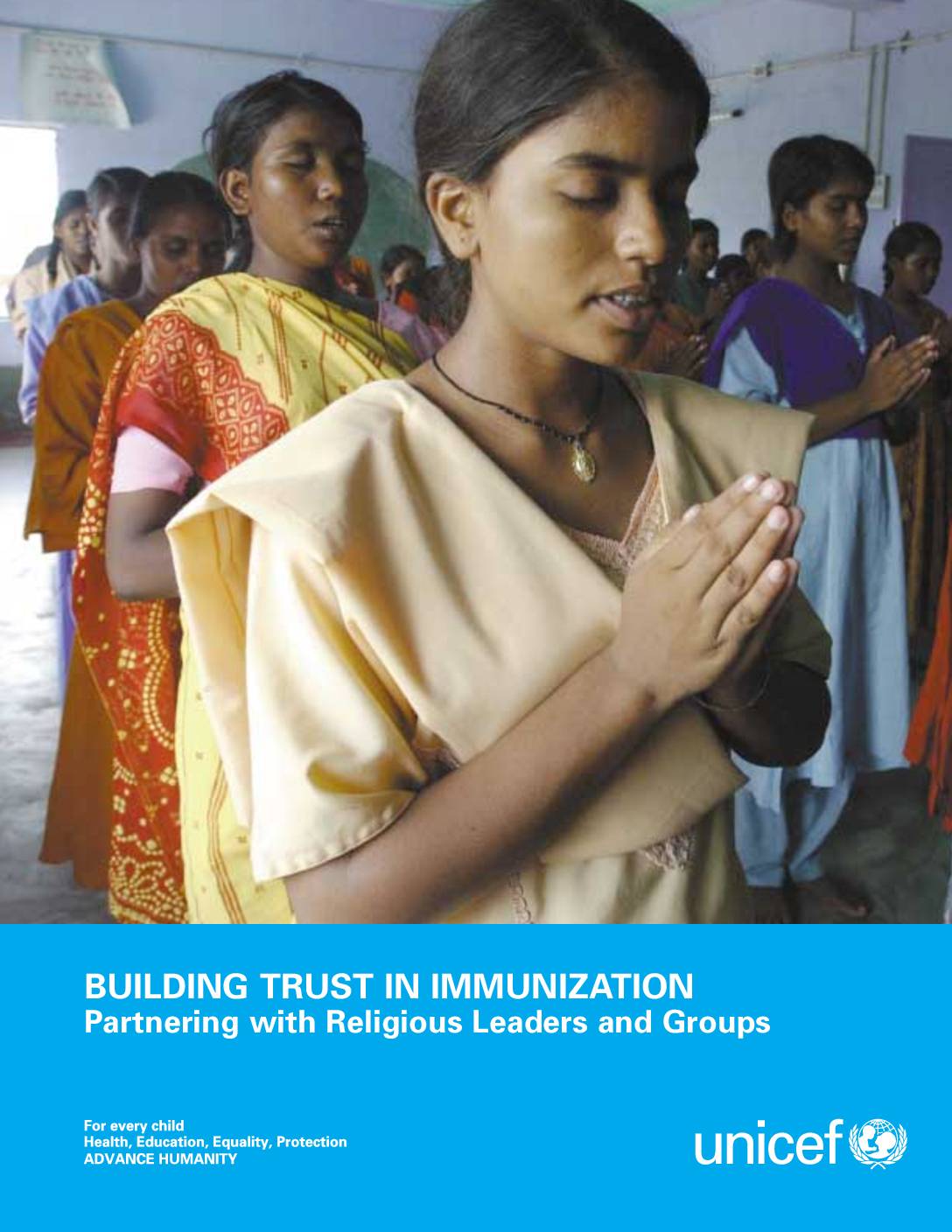
Religious leaders, with their tremendous authority at the grass roots, are key to garnering community support for broad immunization coverage. This workbook, designed for communication and programme officers and their immunization partners, provides guidelines on forging alliances on immunization with religious leaders and groups. It also offers advice on options that can be taken when confronting resistance to immunization, illustrated by success stories from three countries.
Published: 2014
This document reflects the efforts of two partners: CIFA and the World Faiths Development Dialogue (WFDD) to set out both what the 10 promises mean specifically, and how faith communities are acting and could act to further the global effort. It builds on the June 2012 promises with an important addition: it extends the ideas and actions that were initially framed for children to mothers also. The promises themselves are technically rigorous (best practice as certified by UNICEF and USAID) but they are also understandable and, we hope, inspirational. The document was conceived in the spirit of the many faith institutions that subscribed to the Ten Promises, and grew from a sense that tangible evidence could support a much broader effort and new energy and vigor in carrying goals into reality.
Published: 2014
Author:Katherine Marshall and Center for Interfaith Action
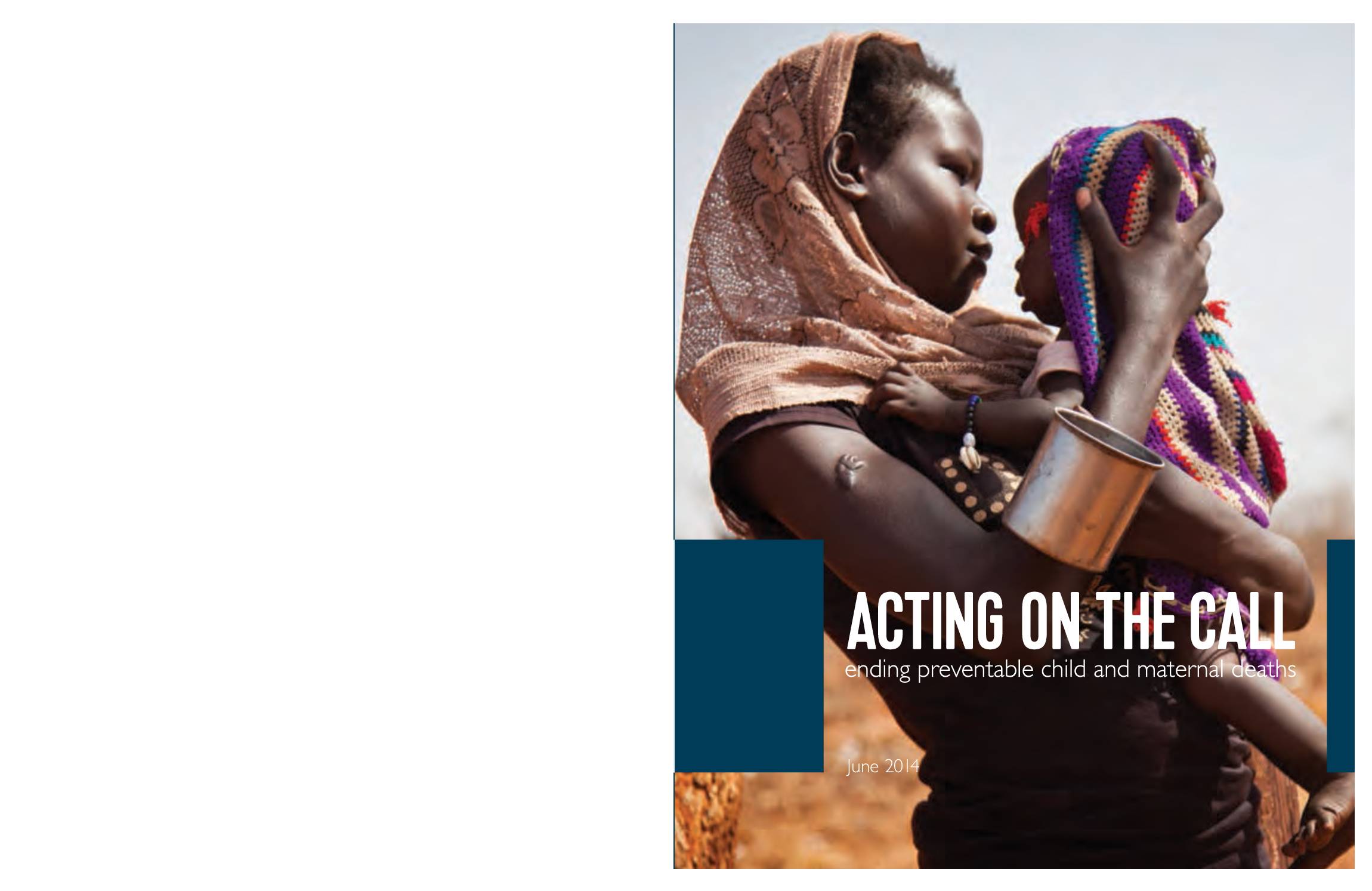
At an event on June 25, 2014, USAID unveiled an action plan “Acting on the Call: Ending Preventable Child and Maternal Deaths” to save the lives of 15 million children and nearly 600,000 women by 2020 – a milestone in President Obama’s goal to joint the world in ending extreme poverty, hunger and child death in the next two decades.
The action plan delineates how 24 priority countries will dramatically accelerate progress in maternal and child survival.
Published: 2014
Author:USAID
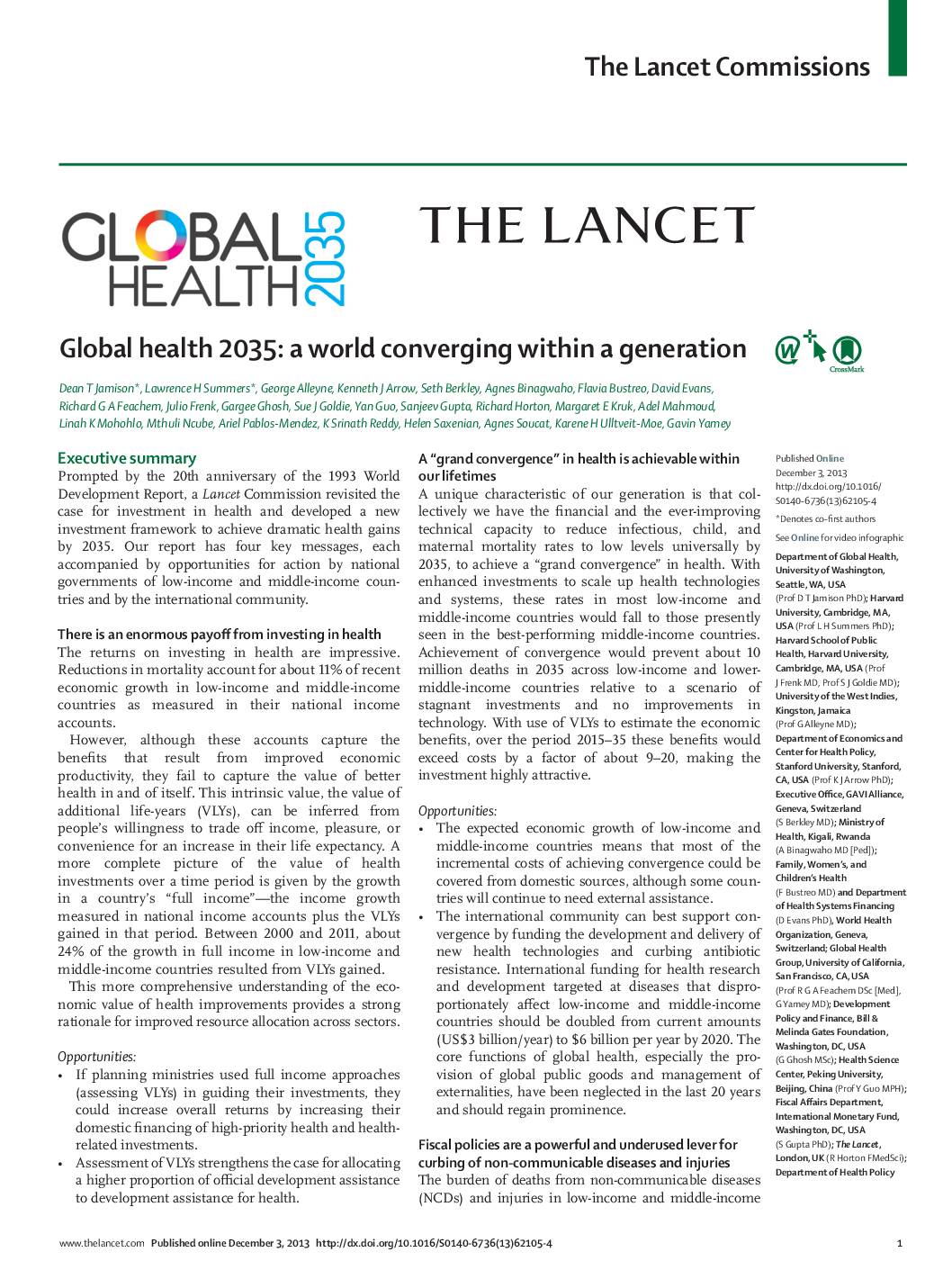
Prompted by the 20th anniversary of the 1993 World Development Report, a Lancet Commission revisited the case for investment in health and developed a new investment frame work to achieve dramatic health gains by 2035. This report has four key messages, each accompanied by opportunities for action by national governments of low-income and middle-income countries and by the international community: 1) There is an enormous payoff from investing in health, 2) A “grand convergence” in health is achievable within our lifetime, 3) Fiscal policies are a powerful and underused lever for curbing of non-communicable diseases and injuries, and 4) Progressive universalism, a pathway to universal health coverage (UHC), is an efficient way to achieve health and financial protection
Published: 2014
Financing Global Health 2013: Transition in an Age of Austerity, IHME’s fifth annual report on global health expenditure, depicts financing trends that underline the resilience of development assistance for health. This year’s updated estimates show that despite lackluster economic growth and fiscal cutbacks in many developed countries, total assistance remained steady, reaching an all-time high of $31.3 billion in 2013. While annual increases have leveled off since 2010, continued international funding is a sign of the international development community’s enduring support for global health.
Published: 2013
This annotated bibliography is a companion piece to the full report “LOCAL FAITH COMMUNITIES AND IMMUNIZATION FOR COMMUNITY AND HEALTH SYSTEMS STRENGTHENING”
Published: 2014
Author:Dr. Jill Olivier
HOST: jliflc.com
REQUEST: /resources/
QUERY: count=100&page=18